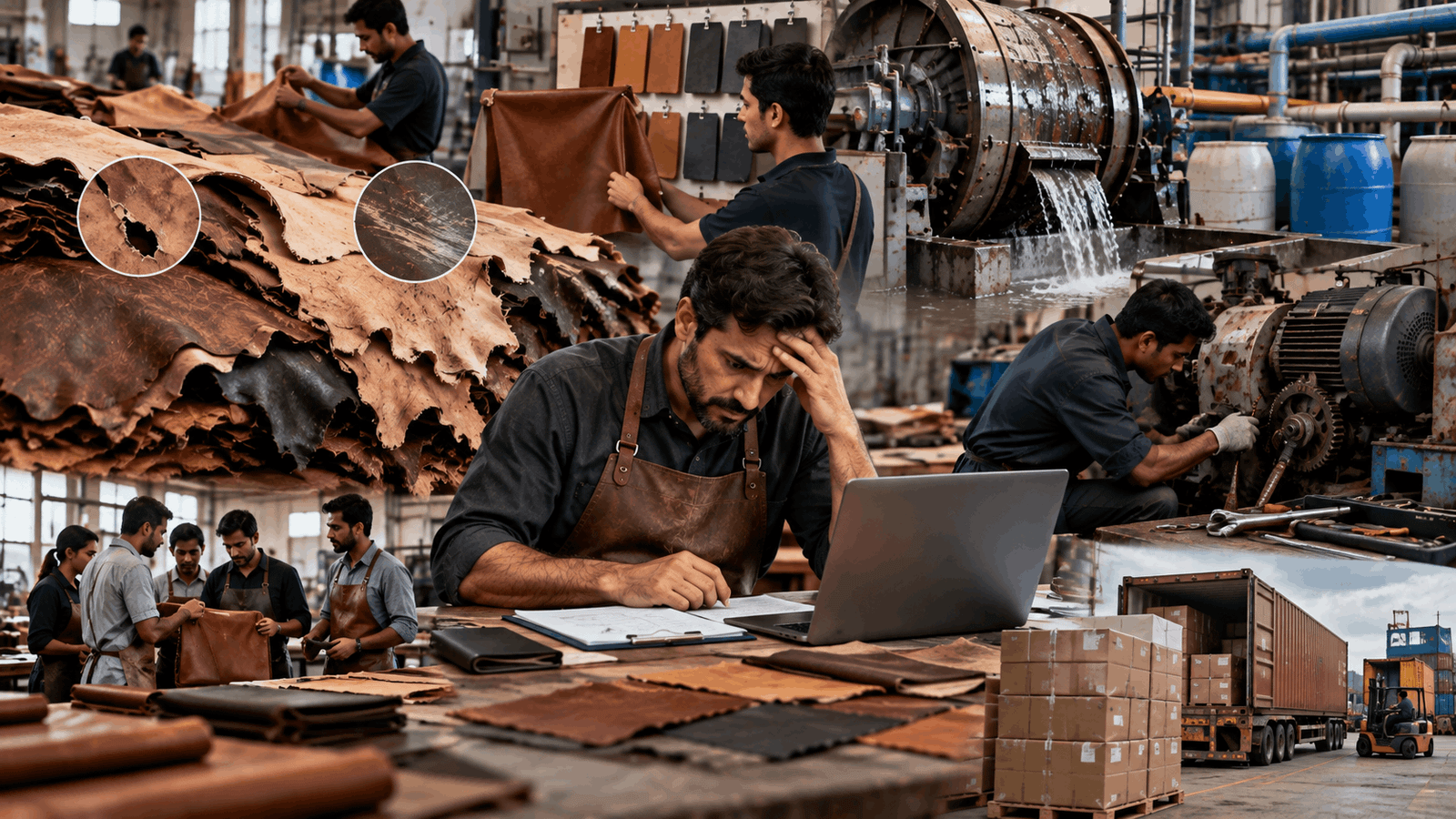
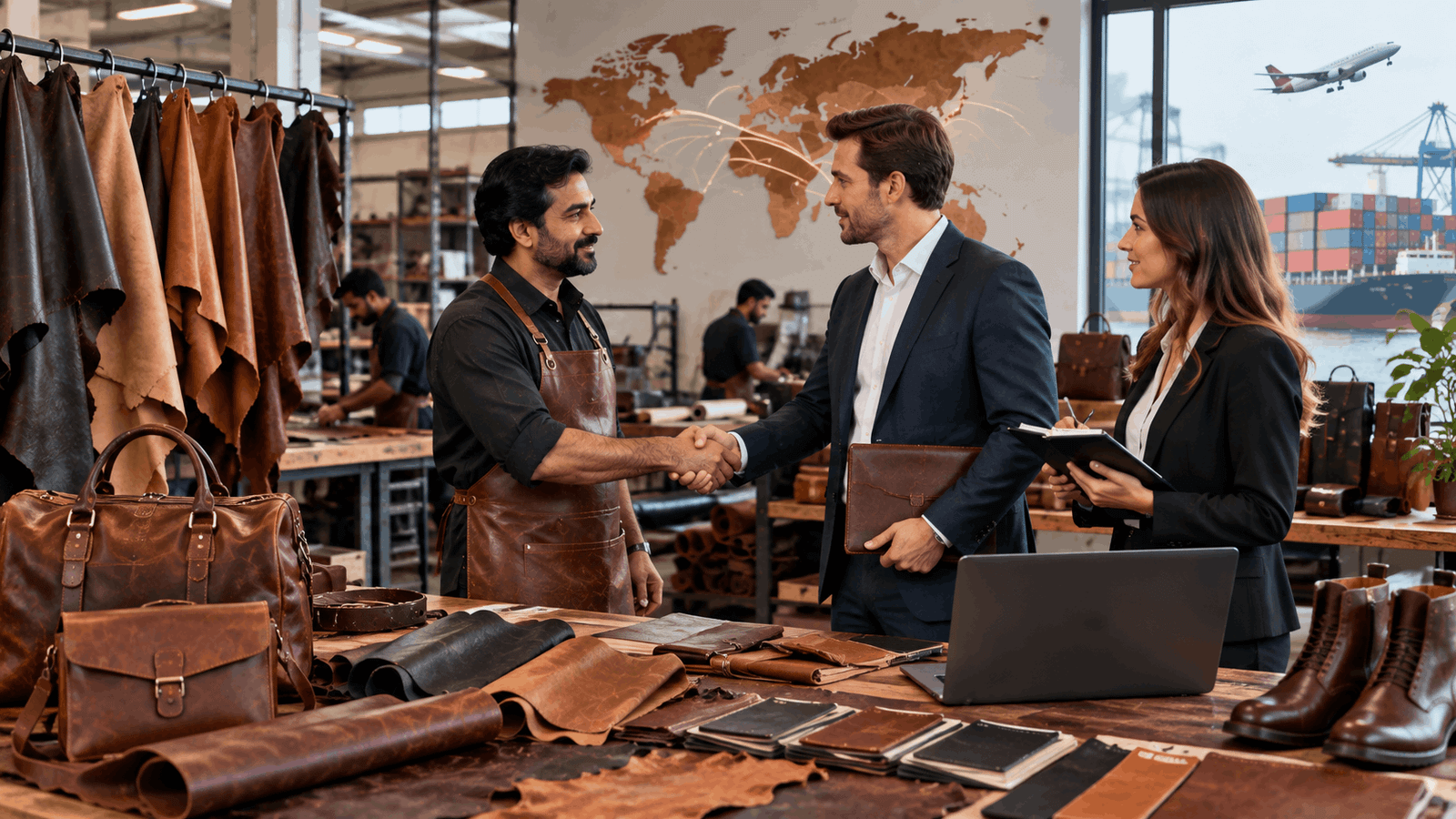
Choosing the right leather manufacturer is an important decision for international buyers, especially when sourcing products from another country. Visiting a factory in person is not always practical due to travel costs, distance, time constraints, and business commitments. However, this does not mean buyers have to rely entirely on a supplier’s claims.
Working with an unverified leather factory can lead to inconsistent product quality, delayed shipments, unexpected costs, and financial losses. A supplier may present itself as an established manufacturer without owning production facilities or having the capabilities required for a bulk order.
Fortunately, buyers can verify a leather factory remotely through business documents, live video inspections, product samples, manufacturing evidence, and independent third-party audits.
This guide explains eight practical ways to evaluate a leather factory without visiting it, helping buyers make more informed sourcing decisions before committing to an order.
Can You Verify a Leather Factory Without Visiting It?
Yes, you can verify a leather factory without visiting it in person. Buyers can assess a manufacturer’s legitimacy, production capabilities, product quality, and business history through a combination of digital verification methods.
The most reliable methods include:
- Checking business registration and export documents.
- Verifying the factory’s physical location.
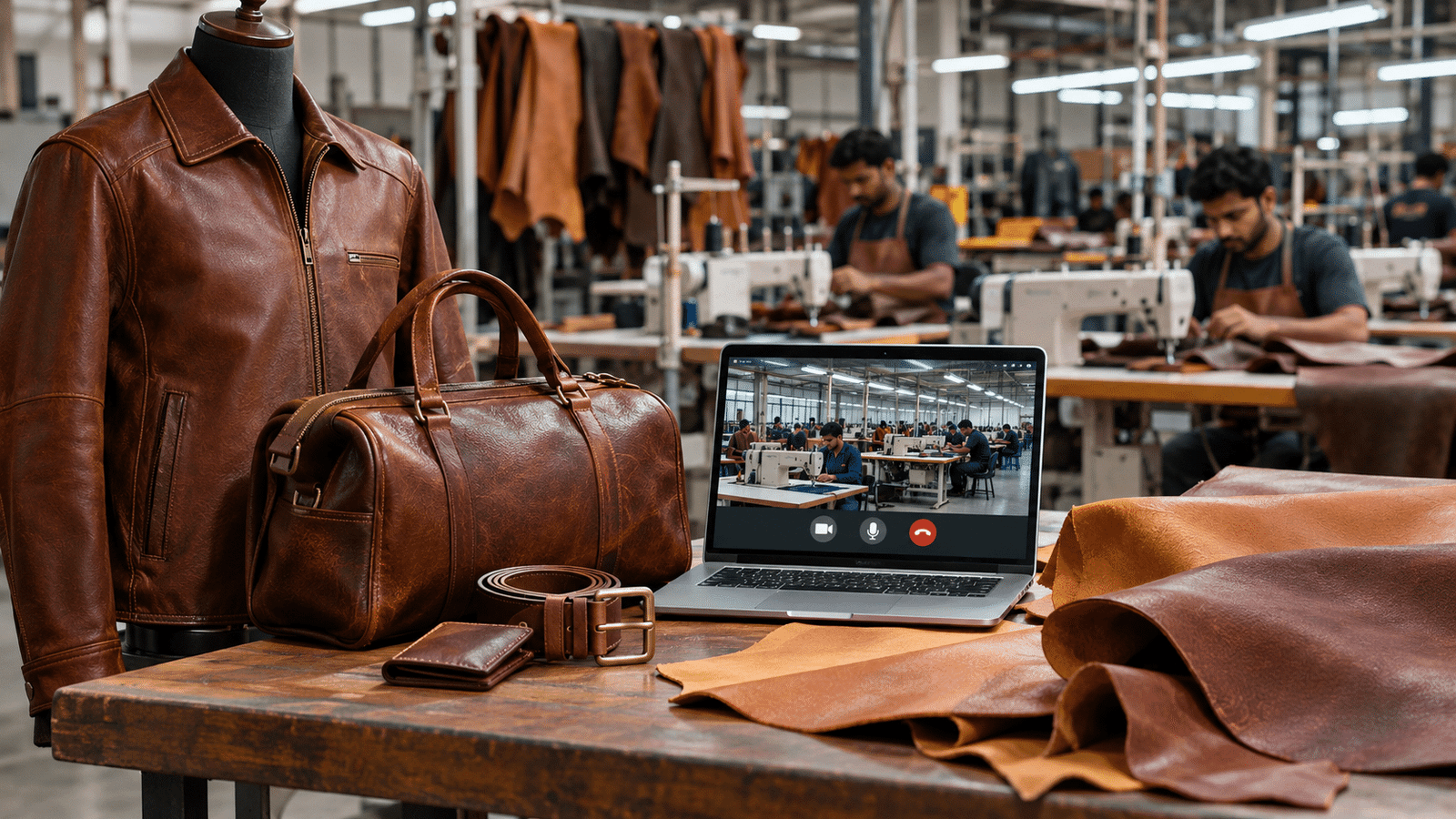
- Conducting live video factory inspections.
- Evaluating machinery and production facilities.
- Requesting product samples.
- Checking previous clients and export experience.
- Reviewing quality control procedures.
- Hiring independent inspection companies.
However, no single verification method is sufficient on its own. A professional website, business certificate, or video tour does not automatically prove that a company operates its own manufacturing facility.
Combining multiple independent checks provides a more accurate picture of a factory’s credibility.
8 Ways to Verify a Leather Factory Remotely
Check the Factory’s Business Registration and Legal Documents
Start by requesting the manufacturer’s official business documents. These help establish whether the company is legally registered and operating under a verifiable business identity.
Ask for the following documents:
- Business Registration Certificate: Confirms the company’s legal registration.
- Export License: Request it where applicable under local regulations.
- Tax Registration: Helps verify the company’s registered business identity.
- Registered Business Address: Establishes the official location associated with the company.
Check whether the company name, registration number, and address match across the documents.
Where possible, verify the registration through the relevant government business registry or issuing authority.
Remember that a registered company is not necessarily a manufacturer. Legal registration confirms business identity, not manufacturing capabilities.
Verify the Factory’s Physical Location
A legitimate manufacturer should be able to provide a verifiable business or factory address.
Start by searching the address on Google Maps and reviewing the surrounding area. Look for industrial buildings, manufacturing facilities, warehouses, or other signs of commercial activity.
Compare the location against:
- The company’s official website.
- Business registration documents.
- Supplier profiles and business directories.
- Addresses provided by the sales representative.
You can also use satellite imagery and Street View, where available, to examine the premises.
If the address points to a residential building, shared office, or unrelated commercial location, ask the supplier to explain the arrangement.
Keep in mind that some manufacturers operate from industrial zones where online street imagery may be unavailable. In such cases, request additional location evidence through a live video call.
Request a Live Video Factory Tour
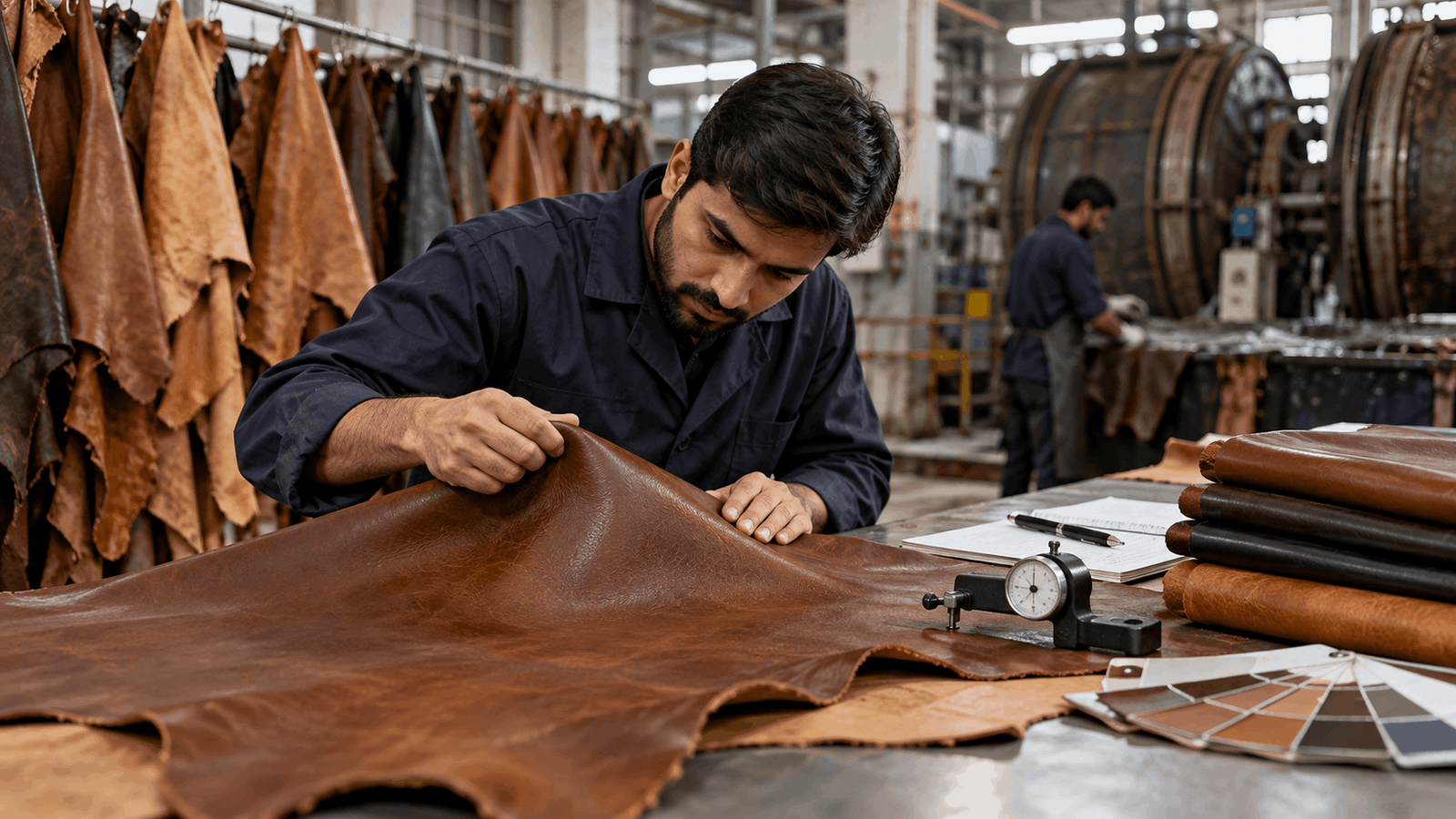
A live video tour is one of the most useful ways to inspect a leather factory remotely.
Instead of relying on promotional videos or professionally edited factory footage, arrange a real-time video call through WhatsApp, Zoom, or Google Meet.
Ask the supplier to show specific areas, including:
- Leather storage and raw material inventory.
- Cutting and stitching sections.
- Production machinery.
- Finishing and assembly areas.
- Quality inspection stations.
- Finished product inventory.
You can also request that the representative show a particular machine, product, or production area during the call.
This makes it more difficult to rely on unrelated factory footage.
Pay attention to whether the manufacturing environment, equipment, and operations match the supplier’s claimed production capabilities.
A video tour provides useful evidence, although it does not independently establish factory ownership or production capacity.
Evaluate Manufacturing Capabilities and Equipment
Not every leather factory has the same production capabilities. Some specialize in leather jackets, while others manufacture bags, footwear, accessories, or industrial leather products.
Before placing an order, determine whether the factory has the equipment and technical expertise required for your product.
For example, a leather goods manufacturer may have:
- Industrial leather cutting machines.
- Heavy-duty stitching machines.
- Skiving and edge-finishing equipment.
- Leather embossing and stamping machines.
- Hardware installation tools.
- Product finishing and inspection facilities.
Ask about production capacity, available manufacturing processes, workforce experience, and the types of products they regularly manufacture.
If you are sourcing customized leather products, also confirm whether the factory can handle pattern development, material selection, prototypes, and special finishing requirements.
The objective is to establish whether the manufacturer can consistently produce your required products rather than simply accept an order.
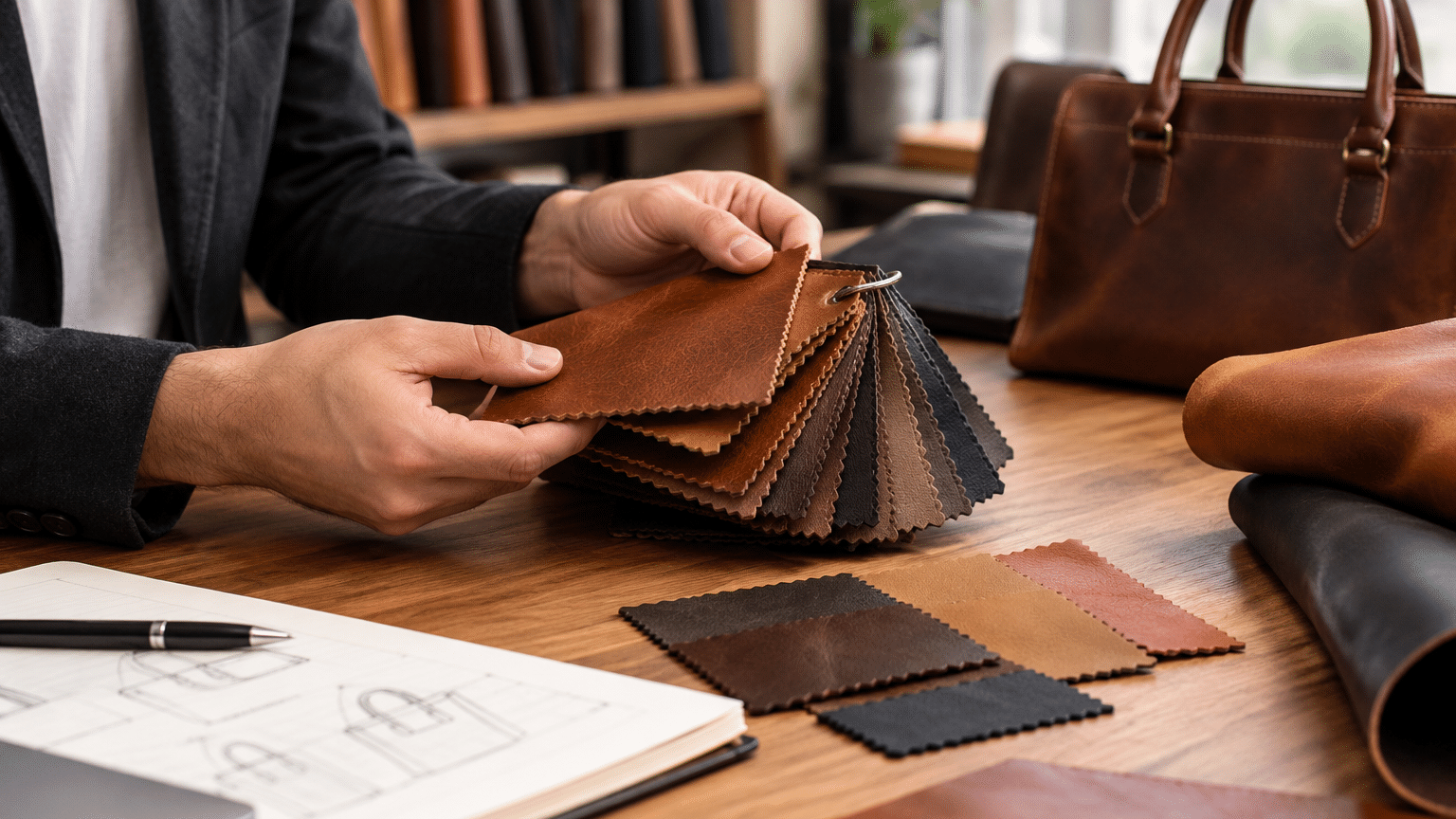
Request Product Samples Before Bulk Orders
Product samples provide direct evidence of a manufacturer’s workmanship and material quality.
Before committing to a large order, request samples that match your intended product specifications.
Evaluate the following:
- Leather Quality: Check the leather type, thickness, texture, and consistency.
- Stitching: Examine stitch density, alignment, and thread quality.
- Finishing: Inspect edges, surface treatment, and overall appearance.
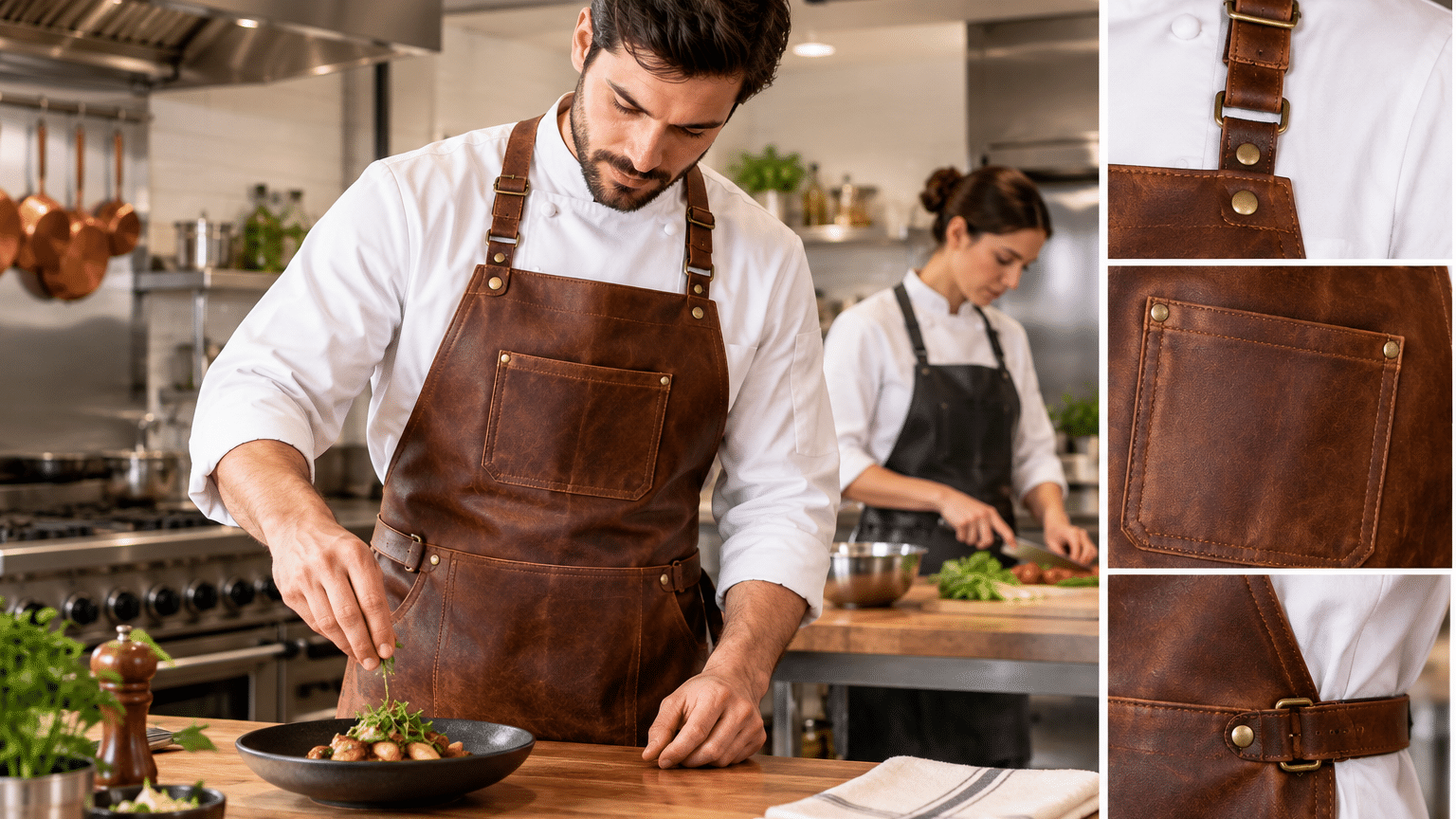
- Hardware: Check zippers, buckles, buttons, and other components.
- Construction: Evaluate product structure, durability, and functionality.
For example, if you are sourcing leather jackets, examine the leather quality, lining, seams, zippers, and overall fit.
If you are ordering leather bags or gun cases, pay attention to construction, reinforcement, stitching, and hardware installation.
Compare the delivered sample against your approved specifications. If possible, request another sample from a subsequent production batch to assess consistency.
A sample does not guarantee that every bulk-order item will meet the same standard, but it provides an important starting point for quality evaluation.
Verify Previous Clients and Export Experience
A manufacturer’s previous projects and international business experience can help establish its credibility.
Ask the supplier about its export markets, previous orders, and experience manufacturing products similar to yours.
Where available, request:
- Trade references from previous buyers.
- Examples of completed manufacturing projects.
- Export documentation with commercially sensitive information redacted.
- Customer reviews and independent business feedback.
- References from clients willing to confirm their experience.
You can also search the company’s name online alongside terms such as reviews, complaints, exports, and manufacturing.
If the factory claims to supply international brands, ask for verifiable evidence rather than relying on brand names displayed in its marketing materials.
A manufacturer with relevant export experience is generally better positioned to understand international packaging, product specifications, shipping requirements, and buyer expectations.
Check Quality Control and Production Standards
Quality control is essential when sourcing leather products, particularly for bulk orders where even small inconsistencies can affect the entire shipment.
Ask the factory to explain its inspection procedures and how it maintains product consistency.
Important questions include:
- Does the factory inspect incoming leather materials?
- Are products checked during manufacturing?
- Is there a final inspection before packaging?
- How are defective products identified and handled?
- Does the factory maintain written quality standards?
You can also request sample quality inspection reports, production checklists, and relevant certifications.
If a manufacturer claims to hold certifications such as ISO 9001, verify their authenticity, validity, and scope directly with the issuing certification body.
Do not assume that a certification automatically guarantees product quality. It is important to understand what the certification actually covers.
Use an Independent Third-Party Inspection Service
When the order value is significant, hiring an independent inspection company can provide additional confidence.
Third-party inspectors can assess factory operations, manufacturing processes, product quality, and order readiness without requiring the buyer to travel.
Common inspection options include:
| Inspection type |
What it checks |
| Pre-production inspection |
Raw materials, specifications, and production readiness. |
| During-production inspection |
Workmanship, production progress, and quality consistency. |
| Pre-shipment inspection |
Finished products, packaging, quantity, and defects. |
| Factory audit |
Business operations, facilities, equipment, and manufacturing capabilities. |
An independent inspection report can help identify problems before they become expensive sourcing mistakes.
For large or customized leather orders, consider combining a factory audit with during-production and pre-shipment inspections.
Red Flags to Watch for When Verifying a Leather Factory
Not every supplier advertising itself as a leather manufacturer operates a genuine manufacturing facility.
Watch for these warning signs during the verification process:
| Red flag |
Why it matters |
| Refuses live factory tours |
May be hiding its actual operations or facilities. |
| Inconsistent business documents |
Could indicate an identity or registration issue. |
| No verifiable factory address |
Makes physical business verification difficult. |
| Unrealistically low quotations |
May indicate poor materials, hidden costs, or misleading offers. |
| Copied product images or certificates |
Raises concerns about authenticity and credibility. |
| Pressure for advance payment |
May expose buyers to unnecessary financial risk. |
| Cannot explain manufacturing processes |
May lack the claimed technical expertise. |
One warning sign does not automatically prove fraud. However, multiple unexplained inconsistencies should be treated seriously.
Avoid making advance payments until you have completed reasonable business and production verification.
Manufacturer vs. Trading Company: How to Identify the Difference
A leather manufacturer and a trading company can both supply leather products, but their business models are different.
A manufacturer produces goods through its own production facilities or directly controlled manufacturing operations. A trading company typically purchases products from other factories and resells them to buyers.
| Factor |
Leather Manufacturer |
Trading Company |
| Production |
Handles manufacturing |
Sources from external factories |
| Machinery |
Usually operates production equipment |
May not own machinery |
| Customization |
Often offers direct production customization |
Depends on partner factories |
| Quality control |
Can supervise production directly |
Relies on supplier arrangements |
| Pricing |
May offer direct factory pricing |
May include a trading margin |
| Production control |
Usually has greater direct control |
Depends on manufacturing partners |
To identify the difference, ask the supplier:
- Do you manufacture products in your own facility?
- Can you show your production floor during a live video call?
- Which manufacturing processes are handled in-house?
- Do you outsource any production stages?
- Can you provide evidence of your manufacturing operations?
Some legitimate manufacturers outsource specialized processes, so outsourcing alone does not make a supplier unreliable.
The important distinction is transparency. Buyers should understand who actually manufactures their products and who is responsible for quality control.
This is particularly important for bulk orders, private-label manufacturing, and customized leather products.
For business owners interested in factory operations and the manufacturing industry, understanding the responsibilities involved in Owning a Factory also provides useful context when evaluating suppliers.
Remote Leather Factory Verification Checklist
Before confirming an order, use this checklist to evaluate the supplier’s credibility and manufacturing capabilities.
| Verification point |
What to confirm |
| Business documents |
Legal company identity |
| Factory address |
Actual business location |
| Video inspection |
Real manufacturing operations |
| Equipment |
Relevant production capabilities |
| Product samples |
Material and workmanship quality |
| Export history |
Previous international experience |
| Quality control |
Documented inspection procedures |
| Third-party audit |
Independent factory verification |
Practical tip: Keep copies of the documents, inspection reports, video evidence, and approved product samples for future reference.
Frequently Asked Questions
How can I check if a leather factory is legitimate?
Request its business registration, tax documents, and factory address. Verify the information through official sources, arrange a live video inspection, examine product samples, and check independent business references. For larger orders, consider an independent factory audit.
Can I verify a leather manufacturer through a video call?
Yes. A live video call can help buyers inspect production machinery, raw materials, workers, inventory, and manufacturing areas. Request a real-time walkthrough of specific sections rather than relying on pre-recorded promotional videos.
What documents should I request from a leather supplier?
Request the business registration certificate, tax registration, registered business address, and export documentation where applicable. You can also request relevant quality certifications and inspection reports, verifying them with the issuing authorities.
How do I know if a leather factory is a real manufacturer?
Ask for a live factory tour, inspect its machinery, review its production processes, and request evidence of completed manufacturing projects. Also ask which processes are performed in-house and which are outsourced.
Should I order samples before placing a bulk order?
Yes. Samples allow buyers to evaluate leather quality, stitching, finishing, hardware, and construction before committing to larger quantities. Always compare the sample against written product specifications.
Is third-party factory inspection worth the cost?
Yes, particularly for large, customized, or high-value orders. Independent inspections can identify production issues, verify manufacturing capabilities, and assess product quality before shipment.
Conclusion: Verify Before You Invest
Verifying a leather factory without visiting it is possible when buyers use a structured approach and collect evidence from multiple independent sources.
Business documents establish legal identity, live video tours provide visibility into manufacturing operations, product samples demonstrate workmanship, and third-party inspections offer independent assessments.
However, remote verification cannot eliminate every sourcing risk. Buyers should continue monitoring production, documenting product specifications, and inspecting finished goods before shipment.
The key takeaway is simple: never judge a leather manufacturer by its website or sales promises alone. Verify its identity, inspect its capabilities, evaluate its products, and establish quality expectations before investing in a bulk order.
For manufacturers looking to expand their international reach, connecting with qualified Buyers for Your Factory is equally important. A transparent manufacturing profile and verifiable production capabilities can help build trust with potential international sourcing partners.