




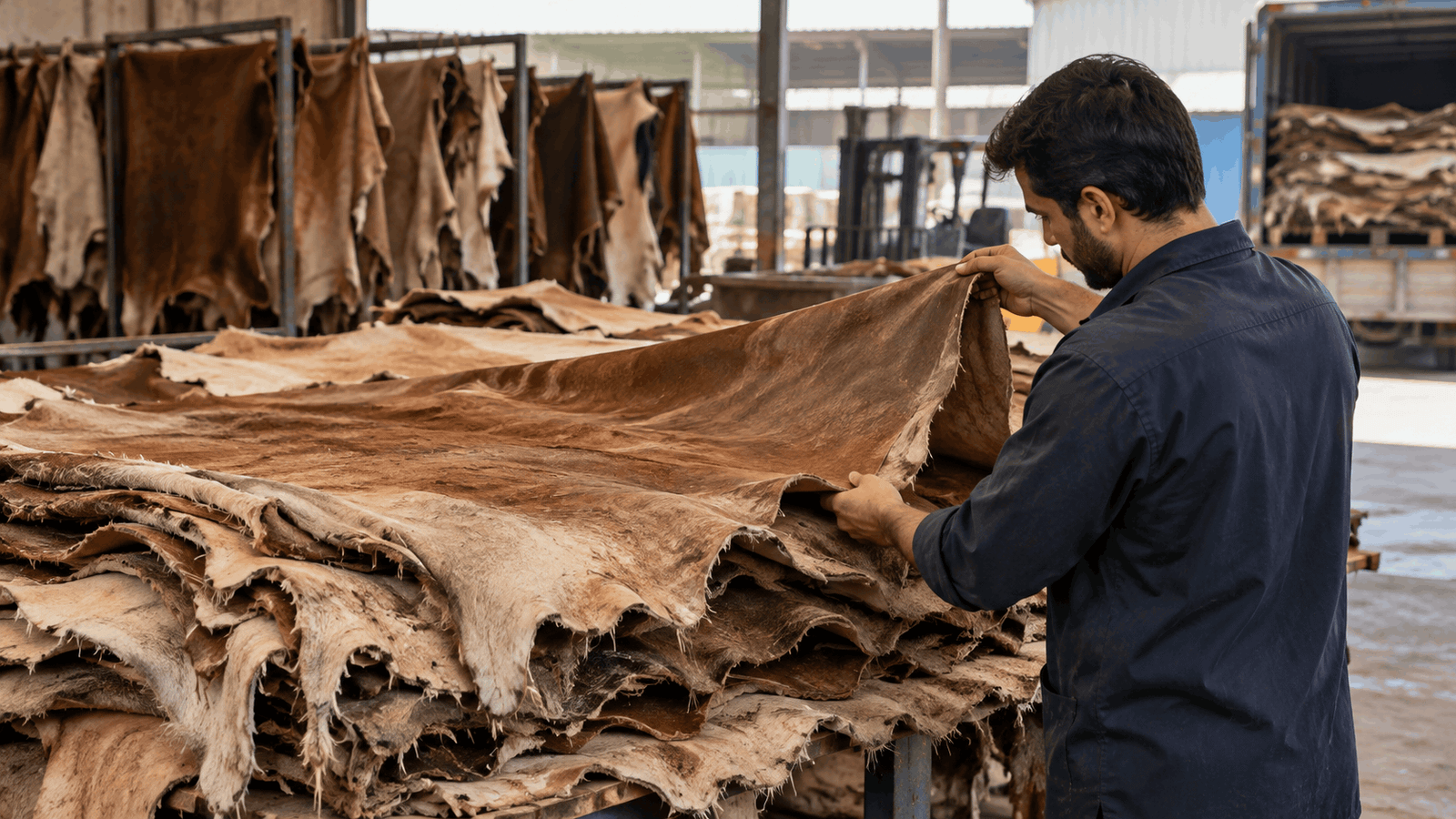
Raw leather sourcing is an essential part of leather manufacturing. The quality, availability, and cost of raw hides directly influence production efficiency, material consistency, and the quality of finished leather products. For manufacturers, finding suitable raw materials involves more than identifying a supplier. It requires understanding hide types, evaluating material quality, comparing prices, and building reliable supply relationships.
Manufacturers typically source raw hides and skins through slaughterhouses, livestock supply chains, hide traders, collectors, and specialized suppliers. Tanneries then process these materials into leather that can be used to manufacture jackets, bags, footwear, gloves, furniture, and other leather goods.
Understanding how this process works helps manufacturers make informed purchasing decisions, manage material costs, and maintain consistent production standards.
Where Do Manufacturers Source Raw Leather Materials?
Manufacturers obtain raw leather materials from several sources, depending on their production requirements, purchasing volumes, and access to the leather supply chain.
Livestock Farms and Slaughterhouses
Livestock farms and slaughterhouses are important sources of animal hides and skins. Hides are generally obtained from larger animals, such as cattle and buffalo, while skins commonly refer to smaller animals, including sheep and goats.
Slaughterhouses generate hides as a by-product of meat production. These materials may be sold directly to hide collectors, processors, traders, or tanneries.
Manufacturers purchasing through this channel need to consider preservation, handling, transportation, and the time between hide removal and processing. Poor handling can lead to bacterial damage, hair slippage, and other defects that reduce the usable quality of the material.
Raw Hide Traders and Specialized Suppliers
Raw hide traders collect, sort, store, and distribute hides from multiple sources. They help connect the initial supply chain with tanneries and other leather processors.
For manufacturers requiring larger quantities, specialized suppliers can offer access to different hide sizes, animal types, grades, and origins. This can make procurement easier than purchasing from numerous individual sources.
Before selecting a supplier, manufacturers should confirm the material’s origin, preservation method, quality classification, available volume, and consistency between shipments.
Tanneries and Leather Processors
Tanneries transform perishable animal hides into durable leather through tanning and subsequent processing. Depending on their business model, they may purchase raw hides themselves or source them through established traders.
Some manufacturers purchase finished or semi-finished leather directly from tanneries rather than handling raw hides. This allows them to focus on product manufacturing without managing the initial preservation and tanning stages.
Understanding chrome-tanned and vegetable-tanned leather can help manufacturers communicate their material requirements more clearly and select leather suitable for their intended products.
Leather Wholesalers and Distributors
Wholesalers and distributors supply leather materials to manufacturers that need specific types, finishes, or quantities. They may offer finished leather in different thicknesses, colors, textures, and grades.
This option is particularly useful for smaller manufacturers that do not have the purchasing volume or infrastructure to source raw hides directly.
However, manufacturers should distinguish between suppliers selling untreated hides and those selling tanned or finished leather. These materials represent different stages of the supply chain and require different handling and production processes.
What Types of Raw Leather Materials Do Manufacturers Source?
The choice of raw material depends on the finished product, required performance, material availability, and budget.
Cowhide and Cattle Hides
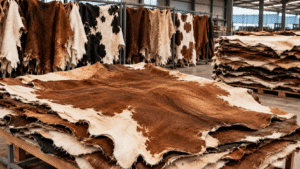
Cowhide is widely used because it offers a combination of strength, durability, and versatility. Depending on the animal, hide section, and processing method, it can be suitable for jackets, bags, belts, footwear, upholstery, and heavy-duty leather goods.
Manufacturers often evaluate hide size, thickness, surface condition, and usable area before purchasing. Large, relatively uniform hides can be valuable for products that require substantial uninterrupted leather panels.
Sheep and Goat Skins
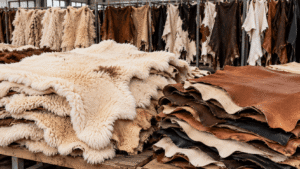
Sheepskin is generally softer and more flexible than heavier cattle hides. It is commonly used for leather garments, gloves, linings, and products where softness and comfort are important.
Goatskin is valued for its flexibility, characteristic grain, and strength relative to its weight. It can be suitable for gloves, lightweight leather goods, and selected apparel applications.
Neither material is automatically better than the other. The right choice depends on the intended product, required durability, texture, and manufacturing specifications.
Buffalo Hides and Other Animal Hides
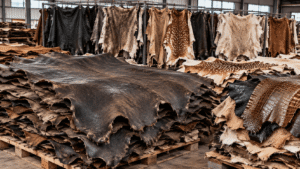
Buffalo hides can provide a substantial leather structure and a distinctive grain pattern. Their characteristics vary according to the animal, hide condition, and processing method.
Other animal hides may be used for specialized applications where their particular properties meet manufacturing requirements. Suppliers should be able to document the material’s origin and provide any necessary legal or regulatory documentation for the intended market.
Manufacturers should select materials according to measurable specifications rather than relying only on broad descriptions such as premium or heavy-duty.
How Does the Raw Leather Sourcing Process Work?
A structured sourcing process helps manufacturers reduce material waste, avoid inconsistent batches, and control procurement costs.
1. Identify Material Requirements
The first step is defining the leather specifications required for production. Manufacturers should identify the intended product, approximate material consumption, thickness, quality grade, finish, and expected order quantity.
For example, a leather jacket manufacturer may prioritize flexibility, consistent color, and garment suitability, while a heavy-duty goods manufacturer may require thicker leather with sufficient strength and abrasion resistance.
Clear specifications allow suppliers to recommend suitable materials and provide more accurate quotations.
2. Find and Evaluate Suppliers
Manufacturers can identify potential suppliers through industry networks, tannery directories, trade exhibitions, referrals, and specialized sourcing platforms.
The objective is to find suppliers that can consistently meet material requirements, not simply those offering the lowest price.
Evaluate their experience, available stock, sourcing capacity, documentation, quality-control procedures, and ability to meet delivery schedules.
3. Inspect Hide Quality and Grading
Before placing a bulk order, manufacturers should examine representative samples or inspect the available material whenever possible.
Common inspection points include:
- Hide dimensions and usable surface area.
- Cuts, holes, scars, and other physical defects.
- Signs of decomposition or improper preservation.
- Thickness and consistency.
- Suitability for the intended tanning or manufacturing process.
A clear inspection standard helps buyers and suppliers agree on acceptable quality and reduce disputes.
4. Negotiate Prices and Order Quantities
Raw hide prices vary according to animal type, size, grade, origin, availability, and market conditions. Manufacturers should also clarify whether quotations include sorting, storage, packaging, transportation, or other charges.
Minimum order quantities and payment terms should be agreed upon before purchasing. For recurring production, buyers may benefit from negotiated supply agreements that specify quality requirements, expected volumes, and delivery schedules.
5. Arrange Transportation and Storage
Raw hides require appropriate preservation and handling during transportation and storage. Depending on their condition and preservation method, they may require salting, chilling, or other controlled procedures.
Improper storage can reduce material quality before tanning even begins. Manufacturers should therefore confirm how materials will be preserved, packaged, transported, and inspected upon arrival.
How Do Manufacturers Evaluate Raw Leather Quality?
Raw hide quality affects how much usable leather can be obtained after processing. A large hide is not necessarily more valuable if it contains extensive damage or produces inconsistent material.
Manufacturers commonly assess the following factors.
Physical condition: Cuts, holes, scars, insect damage, and other defects can reduce the usable surface area.
Preservation quality: Poor preservation may cause bacterial damage, hair slippage, and deterioration that cannot always be corrected during processing.
Size and usable area: Hide dimensions influence material yield and suitability for different product patterns.
Consistency: Variations in thickness, condition, and quality can create problems when manufacturing products that require uniform materials.
Processing suitability: The condition of the raw hide affects its suitability for tanning and the quality of the resulting leather.
Quality requirements should be documented before purchase. Manufacturers can also maintain inspection records to identify recurring supplier problems and improve future sourcing decisions.
For additional background on leather terminology, grades, and material characteristics, see Tannorium’s guide to leather terminology every buyer should know.
What Factors Affect Raw Leather Sourcing Costs?
Raw leather sourcing costs depend on several interconnected factors.
- Animal type and hide size: Different hides offer different characteristics, dimensions, and potential material yields.
- Quality and condition: Better-preserved hides with fewer defects may command higher prices.
- Supply and demand: Changes in livestock availability, processing activity, and market demand can influence prices.
- Location and transportation: Distance, handling requirements, storage, and logistics affect the final procurement cost.
- Order volume: Larger orders may improve purchasing efficiency, although minimum quantities and storage requirements must be considered.
- Processing requirements: If manufacturers purchase tanned or finished leather instead of raw hides, tanning, finishing, and additional quality-control operations contribute to the price.
Manufacturers should evaluate total usable material cost rather than comparing purchase prices alone. A cheaper hide may generate more waste, require additional processing, or produce less usable leather, making it more expensive overall.
How Do Manufacturers Choose Reliable Raw Leather Suppliers?
Reliable suppliers help manufacturers maintain production schedules, manage quality, and reduce purchasing uncertainty.
Before entering a long-term sourcing relationship, manufacturers should assess supplier experience, material availability, preservation practices, documentation, pricing transparency, and delivery reliability.
Requesting samples or inspecting a trial shipment can help confirm whether the supplier’s materials meet the required specifications. Buyers should also establish a clear process for handling defective materials, delivery discrepancies, and changes in availability.
Traceability is another important consideration. Manufacturers serving regulated or environmentally conscious markets may need information about material origin, applicable sourcing requirements, and the documentation available throughout the supply chain.
A structured supplier evaluation process is especially important when sourcing from unfamiliar markets. Tannorium’s guide to leather sourcing from Pakistan, China, India, and Turkey provides additional context on evaluating sourcing destinations and manufacturing partners.
What Challenges Do Manufacturers Face When Sourcing Raw Leather?
Raw leather sourcing involves several challenges that can affect production planning and material costs.
Inconsistent quality: Hides from different animals and sources can vary significantly in condition, size, and usable area.
Supply fluctuations: Raw material availability depends partly on livestock supply, processing activity, and regional market conditions.
Preservation and storage: Poor handling can damage hides before they reach the tannery.
Price uncertainty: Changes in availability, transportation costs, and market demand can affect purchasing budgets.
Traceability and compliance: Manufacturers may need reliable documentation to demonstrate material origin and meet applicable sourcing requirements.
Manufacturers can manage these risks by qualifying multiple suppliers, establishing written quality specifications, monitoring inventory, and inspecting incoming materials consistently.
How Can Manufacturers Improve Their Raw Leather Sourcing Process?
Improving sourcing requires coordination between procurement, quality control, production, and inventory management.
Manufacturers should establish written material specifications and communicate them clearly to suppliers. Regular quality assessments help identify recurring defects, while supplier performance records make it easier to compare reliability over time.
Maintaining relationships with multiple qualified suppliers can reduce dependence on a single source. However, alternative suppliers should meet the same quality requirements to avoid introducing inconsistencies into production.
Manufacturers should also monitor material yield and waste. Tracking how much usable leather is obtained from each batch can reveal whether purchasing decisions are genuinely cost-effective.
Finally, sourcing decisions should align with production forecasts. Purchasing too little may interrupt manufacturing, while purchasing too much can increase storage costs and expose the business to unnecessary inventory risks.
Frequently Asked Questions
Where do leather manufacturers buy raw hides?
Leather manufacturers and tanneries typically source raw hides through slaughterhouses, livestock supply chains, hide collectors, traders, and specialized raw material suppliers. Some manufacturers purchase processed leather directly from tanneries instead.
What is the difference between raw hides and finished leather?
Raw hides are animal skins before tanning. Finished leather has undergone tanning and usually additional processing or finishing to achieve the properties required for manufacturing products.
How do manufacturers check raw leather quality?
Manufacturers inspect hide dimensions, physical defects, preservation condition, usable surface area, and suitability for processing. They may also use grading standards and documented inspection procedures.
What factors determine the cost of raw hides?
Prices depend on animal type, hide size, condition, grade, origin, availability, order quantity, and transportation requirements. Manufacturers should also consider material yield and expected waste.
How can manufacturers find reliable leather suppliers?
Manufacturers can use industry networks, referrals, trade directories, exhibitions, and specialized sourcing platforms. They should evaluate supplier experience, inspect samples, confirm documentation, and establish clear quality and delivery requirements before committing to bulk purchases.
Conclusion
Raw leather sourcing is a critical part of manufacturing because material quality, availability, and cost directly affect production outcomes. By understanding sourcing channels, selecting appropriate hide types, inspecting material condition, and evaluating suppliers carefully, manufacturers can make more informed procurement decisions.
A reliable sourcing strategy also requires clear specifications, appropriate storage, consistent quality control, and long-term supplier relationships. Rather than focusing exclusively on the lowest purchase price, manufacturers should assess usable material yield, processing suitability, and supply reliability.
For businesses looking to explore the wider leather supply chain, Tannorium provides a dedicated leather marketplace where buyers can discover leather businesses and explore sourcing opportunities across the industry.
How Manufacturers Source Raw Leather Materials

Raw leather sourcing is an essential part of leather manufacturing. The quality, availability, and cost of raw hides directly...
Custom Leather Goods Manufacturing: Complete OEM Guide
Custom leather goods manufacturing allows brands to develop leather products according to their own designs, specifications, ...
Common Manufacturing Challenges in Leather Production
Leather manufacturing is a multi-stage process that starts with raw hides and ends with finished leather for products such as...
Quality Control in Leather Manufacturing: Standards, Processes & Best Practices
Quality control is a critical part of leather manufacturing because it ensures that leather meets defined requirements for ap...

Best Leather Aprons for Chefs and Culinary Students
A quality leather apron is one of the most valuable pieces of gear for chefs, culinary students, grill masters, and kitchen p...

Why Leather Product Samples Matter Before Bulk Orders
Leather product samples allow buyers to verify material quality, construction, sizing, finishing, and overall specifications ...

How to Find Leather Buyers for Your Factory
Finding consistent buyers is essential for leather factories that want stable production volumes, predictable revenue, and lo...

How to Choose the Right Leather Manufacturer for Your Brand
Choosing the right leather manufacturer can directly affect your product quality, production costs, consistency, and brand re...

How to Import Leather Goods from Pakistan
Pakistan is an established manufacturing destination for leather goods, offering products ranging from jackets and bags to wa...

Leather MOQ Explained: Everything Buyers Need to Know
MOQ, or Minimum Order Quantity, is the smallest quantity of a leather product a manufacturer is willing to produce or sell in...

What Questions Should You Ask Before Hiring a Leather Manufacturer?
Choosing a leather manufacturer is about more than finding the lowest price. The quality of the leather, manufacturing capabi...
State of the Leather Industry 2026: Growth, Statistics & 2027–28 Outlook
State of the Leather Industry analysis in 2026 shows a large, expanding global market, but the headline numbers vary consider...