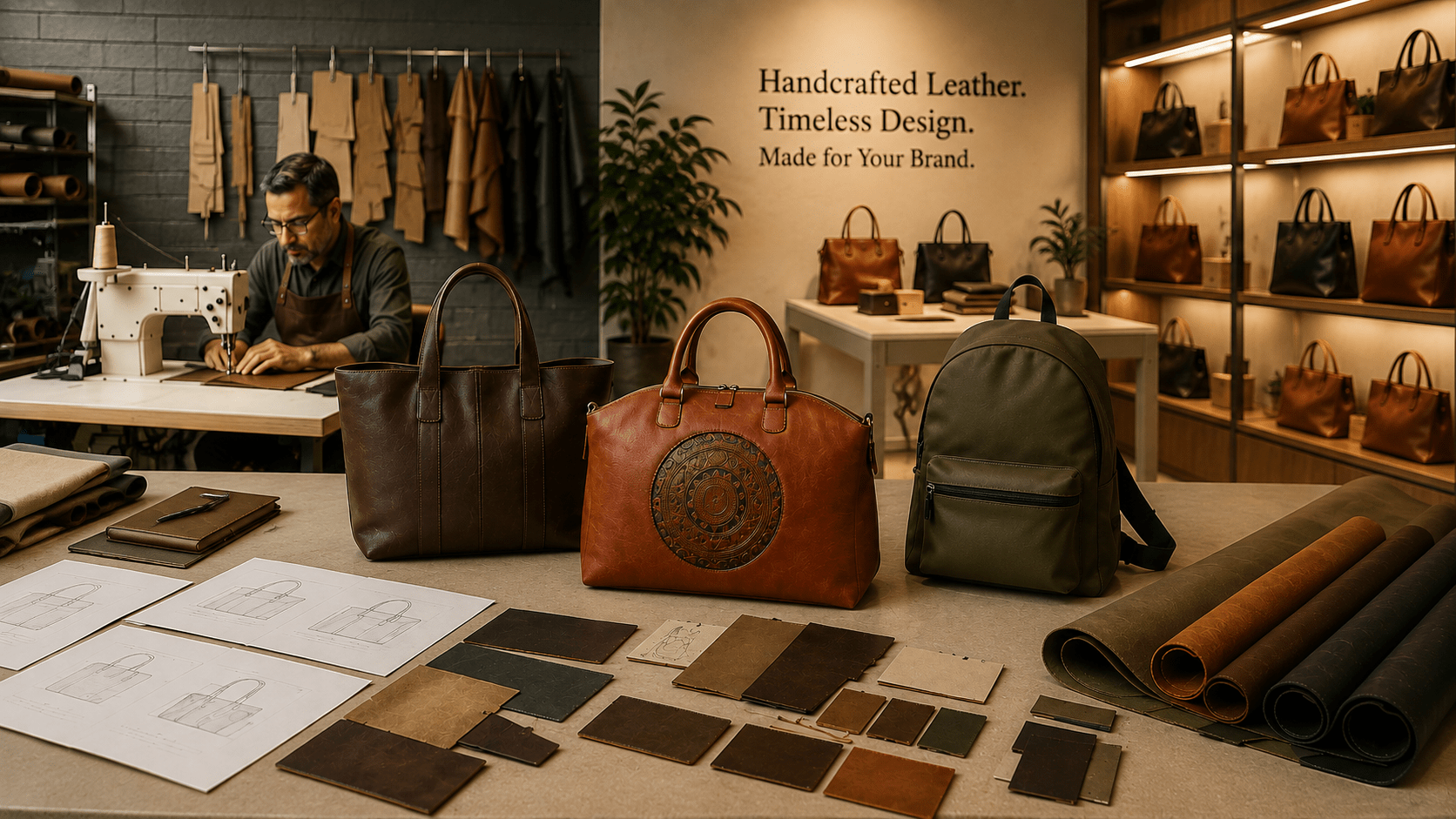
Choosing a leather manufacturer is about more than finding the lowest price. The quality of the leather, manufacturing capabilities, production consistency, and ability to meet your specifications can directly affect your product quality and customer satisfaction.
Before placing an order, businesses should evaluate factors such as leather type and quality, minimum order quantities (MOQ), customization capabilities, samples, quality control, production lead times, certifications, payment terms, and shipping. Asking the right questions early can help prevent costly sourcing and production problems later.
Whether you are a brand, wholesaler, retailer, or business sourcing custom leather products, this guide covers the key questions to ask before hiring a leather manufacturer.
Quick Answer: What Should You Ask a Leather Manufacturer?
Before hiring a leather manufacturer, ask:
- What types of leather do you work with?
- What leather grades and tanning methods do you offer?
- What products can you manufacture?
- What is your MOQ?
- Can you provide OEM or private-label manufacturing?
- Can I receive a sample before bulk production?
- What is your production lead time?
- How do you control product quality?
- What customization options are available?
- Can you provide certifications or compliance documents?
- What are your payment, packaging, and shipping terms?
- Can you provide examples of previous work or references?
These questions help you evaluate a manufacturer based on quality, capability, reliability, and overall suitability—not just price.
1. What Types of Leather Do You Work With?
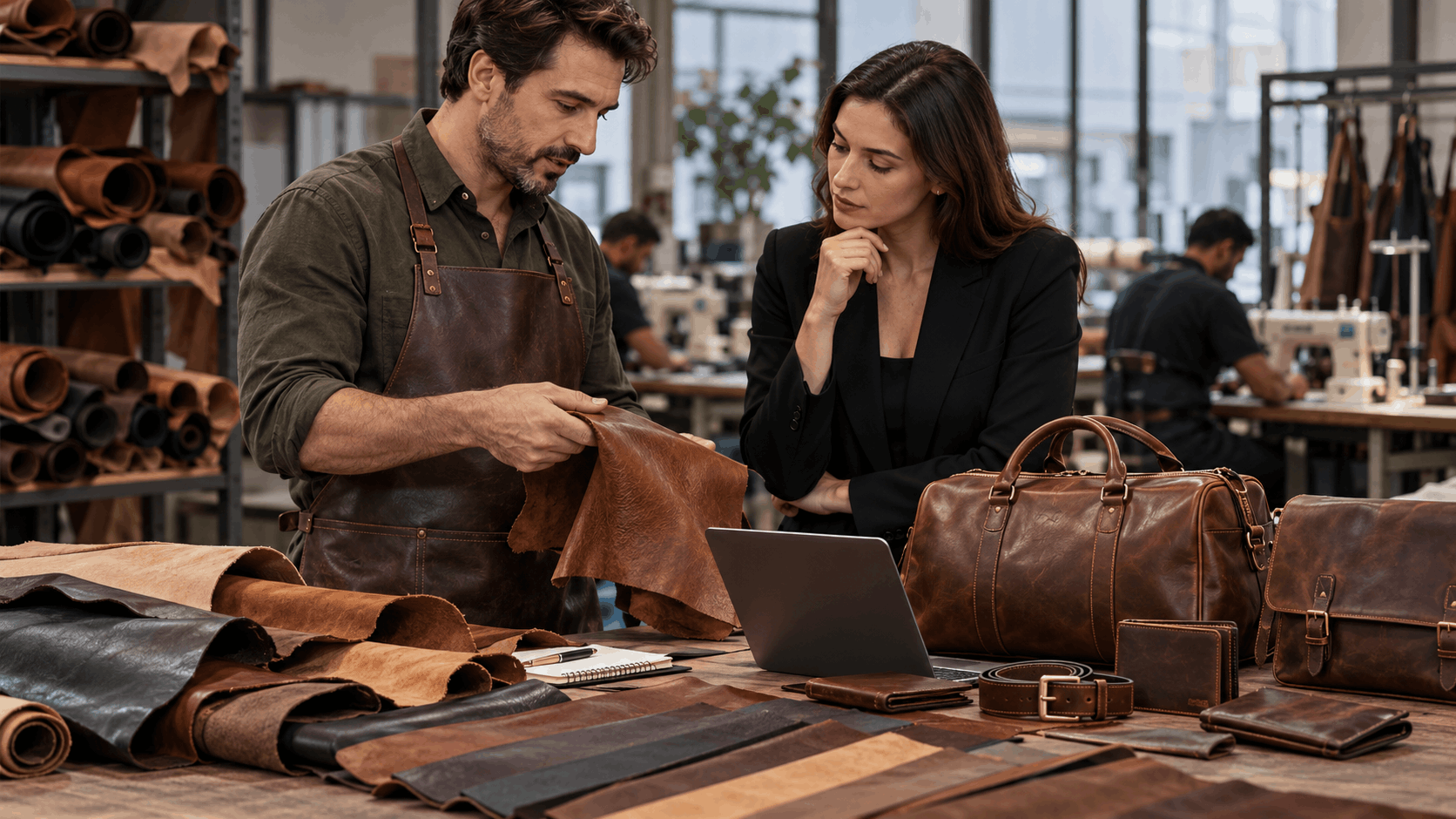
Start by understanding exactly what leather the manufacturer can provide. Ask:
- Which types of leather do you manufacture with?
- Do you offer full-grain, top-grain, split leather, suede, or other options?
- Where is the leather sourced?
- Can you provide leather specifications or material samples?
Leather selection can significantly affect a product’s durability, appearance, consistency, and cost. A reliable manufacturer should be able to clearly explain the characteristics and intended applications of the leather they use.
2. What Leather Products Can You Manufacture?
Ask whether the manufacturer has direct experience producing your specific product.
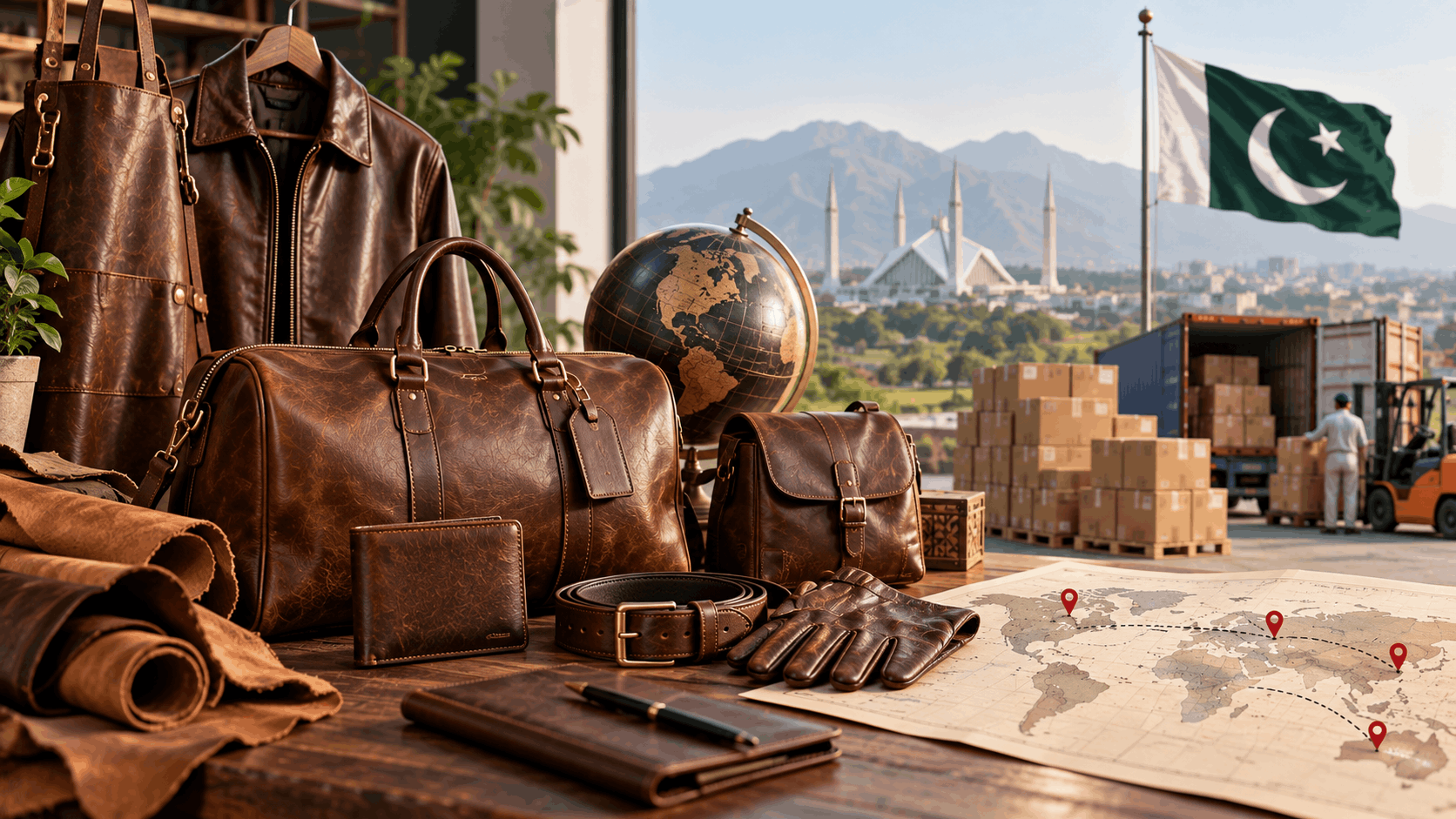
Depending on your requirements, this may include:
- Leather bags
- Leather jackets
- Leather aprons
- Wallets
- Belts
- Gloves
- Tactical or outdoor leather goods
- Custom leather accessories
Relevant manufacturing experience matters because producing a leather jacket, for example, requires different equipment, construction techniques, and quality standards than producing a wallet or tactical accessory.
If you are researching Best Leather Manufacturers, look beyond the size of a manufacturer’s catalog and check whether they have experience with products similar to yours.
3. What Is Your Minimum Order Quantity (MOQ)?
MOQ can have a major impact on your sourcing decision, particularly for startups and smaller brands.
Clarify:
- MOQ per design
- MOQ per color or material
- Whether samples can be ordered separately
- Whether custom products require a higher MOQ
A manufacturer may have an attractive unit price but still be unsuitable if its MOQ is too high for your current production volume.
4. Can You Handle Custom Manufacturing or Private Label?
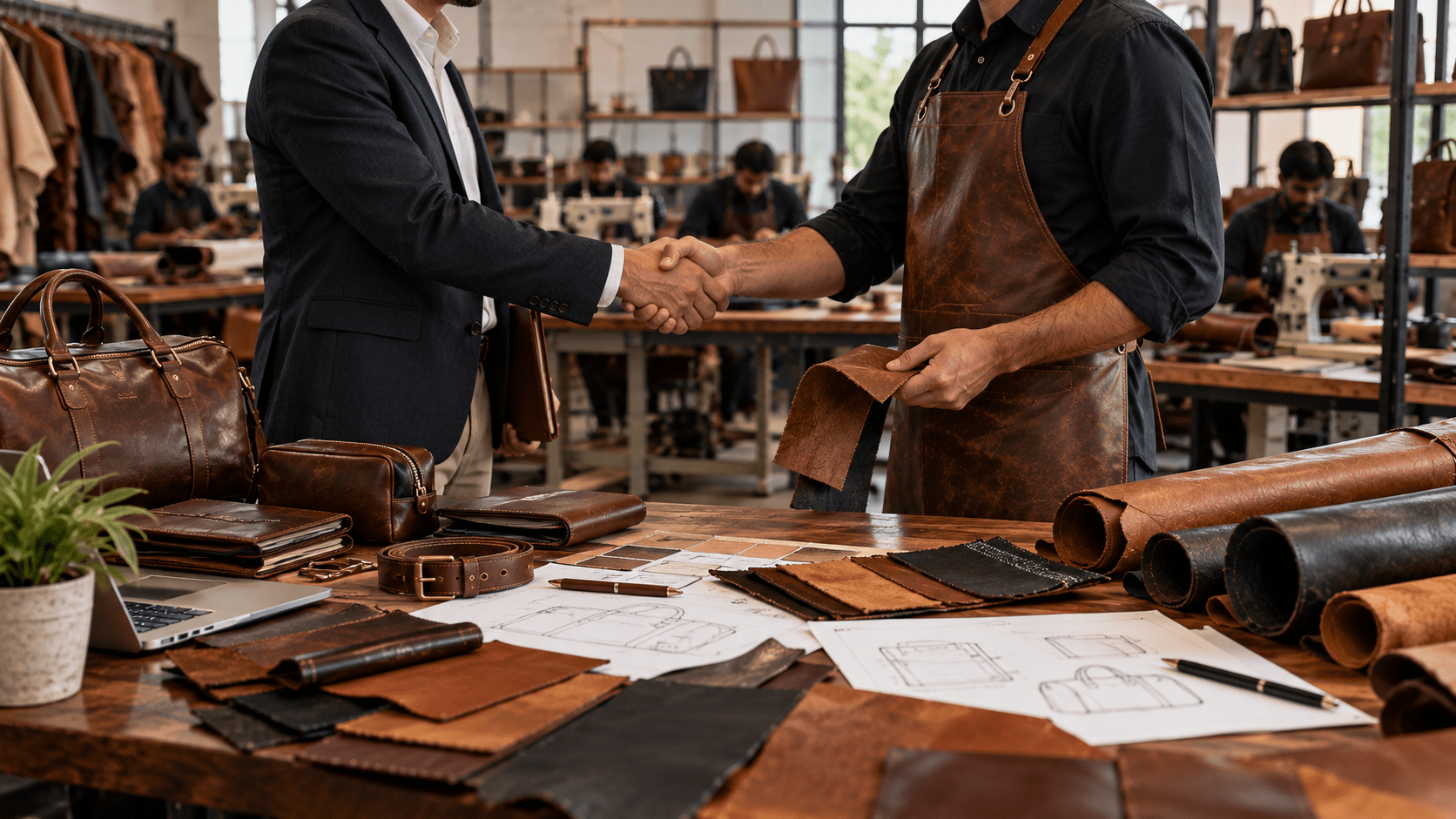
If you need a product made specifically for your brand, ask whether the manufacturer provides OEM or private-label services.
Important questions include:
- Can you manufacture from my design?
- Can you work with drawings, tech packs, or prototypes?
- Can you add custom logos and branding?
- Do you provide private-label packaging?
- Can you develop a product from an initial concept?
The more customized your product is, the more important it is to confirm the manufacturer’s product-development and communication capabilities before production begins.
5. Can You Provide Samples Before Bulk Production?
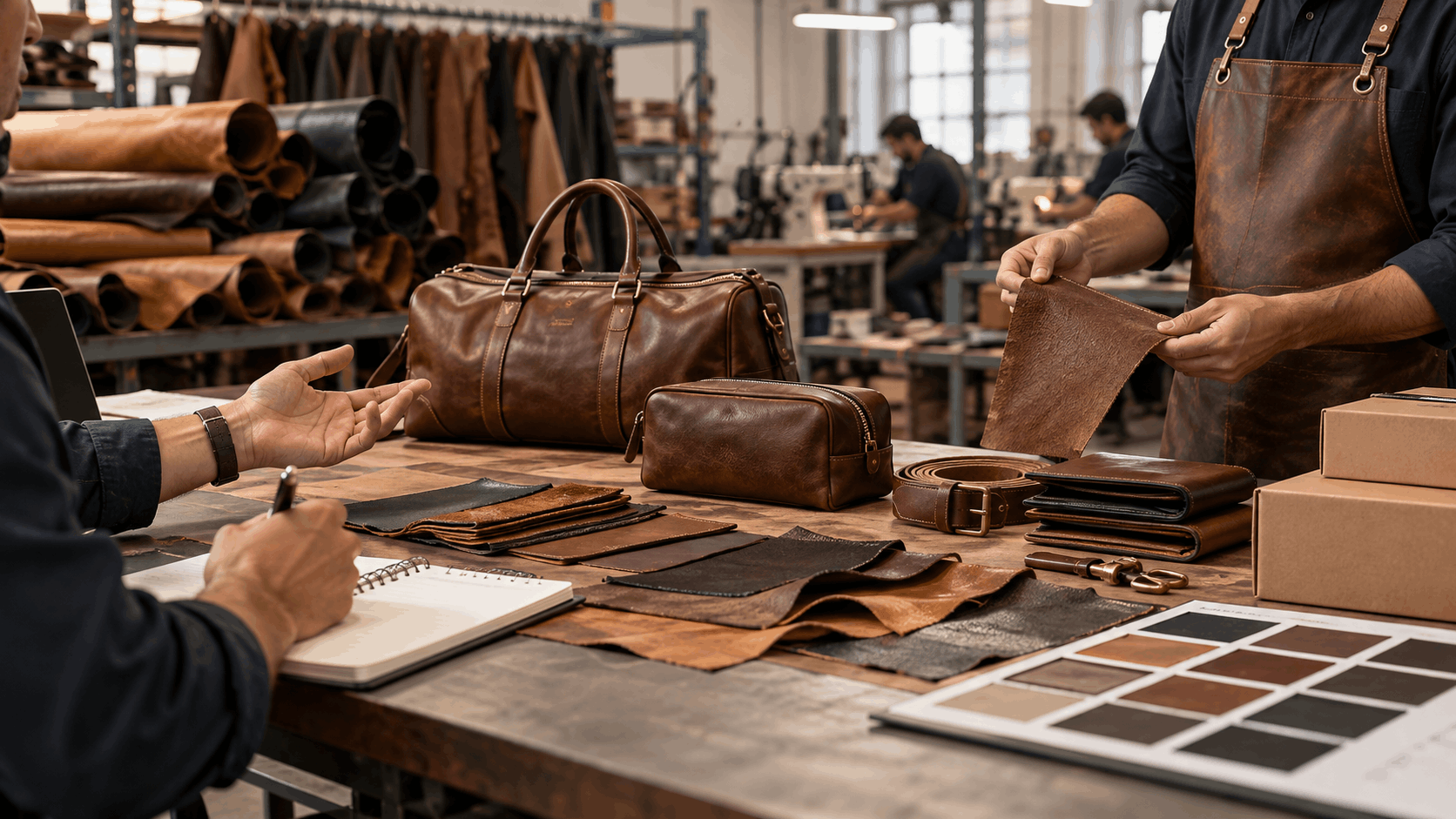
Whenever possible, request a sample before committing to a large order. A physical sample allows you to evaluate the leather, construction, dimensions, stitching, hardware, finishing, and overall product quality.
Ask about:
- Sample cost
- Sample lead time
- Prototype revisions
- Approval process
- Whether the approved sample becomes the production reference
For custom manufacturing, the approved sample should provide a clear reference for bulk production.
6. How Do You Control Product Quality?
Quality control should be one of the most important areas to discuss with a leather manufacturer.
Ask:
- How is leather inspected before production?
- What quality standards do you follow?
- How are stitching, hardware, dimensions, and finishing checked?
- Is there a final inspection before shipment?
- What happens if products fail inspection?
A clear quality-control process reduces the risk of receiving products that differ from the approved specifications.
7. What Is Your Production Lead Time?
Ask the manufacturer to provide realistic timelines for each stage of the order, including:
- Sampling
- Product development
- Bulk production
- Packaging
- Shipping preparation
Lead times can vary depending on order quantity, customization, material availability, and seasonal demand. It is better to establish realistic production timelines before placing the order than to discover delays after production has started.
8. What Customization Options Do You Offer?
“Custom manufacturing” can mean very different things from one manufacturer to another. Ask exactly which elements can be changed.
Possible customization options include:
- Leather type and color
- Product dimensions
- Hardware
- Stitching
- Linings
- Embossing or debossing
- Logo placement
- Packaging
- Labels and tags
This helps you determine whether the manufacturer can produce your intended product rather than simply modify an existing design.
9. Can You Provide Certifications, Testing, or Compliance Documents?
Depending on your product and target market, ask what documentation the manufacturer can provide for the leather and finished products.
This may include:
- Material documentation
- Testing reports
- Factory certifications
- Environmental or social compliance documentation
- Product-specific compliance information
Do not assume that every manufacturer has the same documentation. Identify the requirements of your target market and confirm what the manufacturer can actually provide.
10. What Are Your Payment, Packaging, and Shipping Terms?
Before placing an order, clarify the commercial terms as well as the manufacturing details.
Ask about:
- Payment terms
- Accepted payment methods
- Packaging specifications
- Shipping options
- Applicable Incoterms
- Responsibility for customs and import requirements
- Replacement or refund policies for defective products
When comparing a Leather Supplier vs Manufacturer vs Trader, understanding these responsibilities is particularly important because the party you work with may not handle every stage of production and fulfillment.
11. Can You Show Previous Work or Provide References?
Ask the manufacturer to show evidence of relevant experience, such as:
- Product samples
- Manufacturing portfolios
- Similar products they have produced
- Customer references, where appropriate
- Factory or manufacturing photos and videos
Focus on relevant experience rather than the size of the portfolio. A manufacturer that has successfully produced products similar to yours may be a better fit than one with a much larger but unrelated catalog.
Red Flags to Watch for When Hiring a Leather Manufacturer
Be cautious if a manufacturer:
- Refuses to provide samples
- Gives vague answers about leather quality
- Cannot clearly explain its MOQ or lead times
- Avoids questions about quality control
- Cannot show relevant manufacturing work
- Offers an unusually low price without explaining why
- Communicates inconsistently or unreliably
- Has no clear policy for defective products
Price alone is not a reliable indicator of manufacturing value. A very low quote can become expensive if it results in inconsistent quality, delays, or rejected products.
Leather Manufacturer Hiring Checklist
Use this checklist before contacting or comparing manufacturers:
| Question |
Confirmed? |
| Leather type and quality |
☐ |
| Product manufacturing experience |
☐ |
| MOQ |
☐ |
| Custom/OEM capability |
☐ |
| Sample availability |
☐ |
| Quality-control process |
☐ |
| Production lead time |
☐ |
| Customization options |
☐ |
| Certifications/documentation |
☐ |
| Payment and shipping terms |
☐ |
| Previous work/references |
☐ |
FAQ: Hiring a Leather Manufacturer
What should I ask a leather manufacturer before placing an order?
Ask about leather type and quality, manufacturing experience, MOQ, customization, samples, quality control, lead time, certifications, payment terms, shipping, and previous work. These questions help you evaluate whether the manufacturer can consistently meet your product requirements.
How do I know if a leather manufacturer is reliable?
Look for manufacturers that can provide relevant samples, explain their quality-control process, communicate clearly, provide appropriate documentation, and demonstrate experience with similar products. References and previous work can also help verify their capabilities.
What is a good MOQ for a leather manufacturer?
There is no universal MOQ. It depends on the manufacturer, product type, customization requirements, materials, and production setup. Smaller brands should look for an MOQ that matches their current demand without creating unnecessary inventory risk.
Should I order a sample before bulk production?
Yes, whenever possible. A sample allows you to check the leather, construction, dimensions, hardware, finishing, and overall quality before committing to a larger production run.
How do I compare two leather manufacturers?
Compare them across quality, manufacturing capability, MOQ, customization, quality control, lead time, communication, and total landed cost. Do not compare manufacturers based on unit price alone.
Conclusion: Choose a Leather Manufacturer Based on More Than Price
The right leather manufacturer should be able to demonstrate consistent material quality, relevant manufacturing experience, clear production processes, reliable quality control, and commercial terms that fit your business.
Before placing a bulk order, ask the right questions, review samples, verify capabilities, and clarify production and shipping terms. A manufacturer that is transparent and capable from the beginning is more likely to become a reliable long-term sourcing partner.
For businesses evaluating Reliable Leather Manufacturers, the goal should not simply be to find the cheapest supplier. It should be to find a manufacturer that can consistently deliver the right quality, specifications, quantity, and timeline for your business.