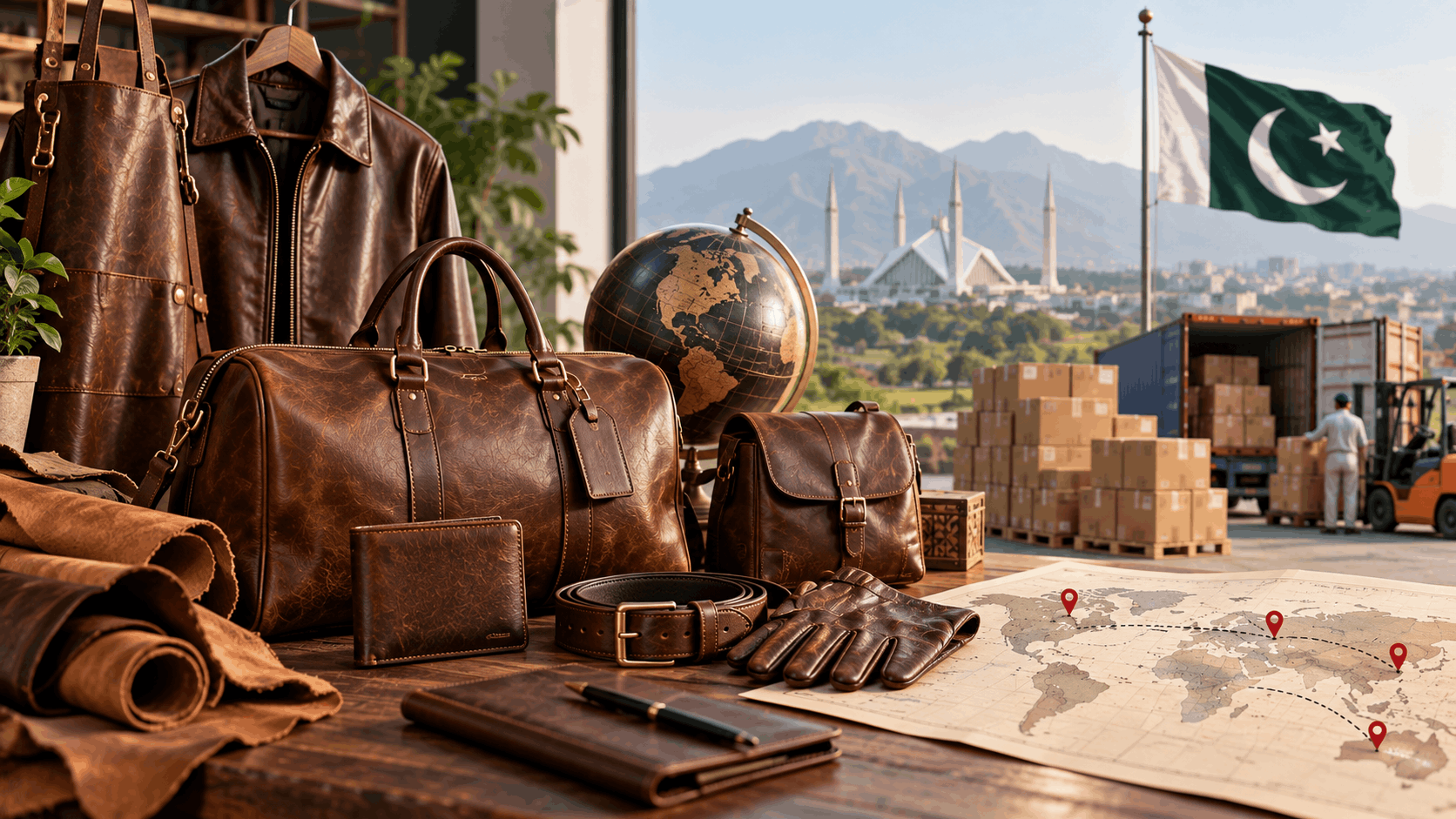
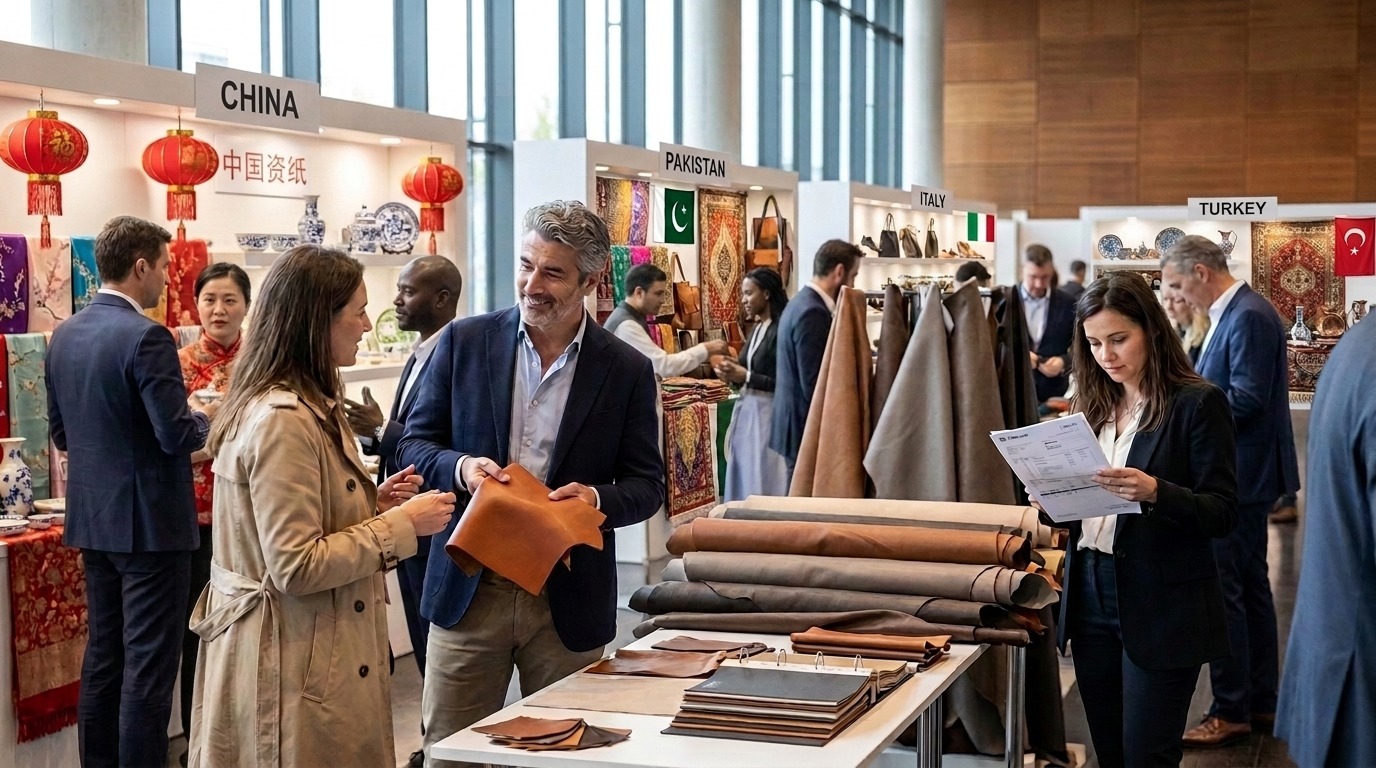
Custom leather goods manufacturing allows brands to develop leather products according to their own designs, specifications, and branding requirements. Through Original Equipment Manufacturing (OEM), businesses can create products that reflect their brand identity instead of relying entirely on ready-made designs.
From leather bags and wallets to jackets, aprons, and tool bags, OEM manufacturing gives businesses greater control over product design, materials, quality, and presentation. Understanding the manufacturing process, costs, minimum order quantities, and quality standards helps brands make informed production decisions.
What Is OEM Leather Goods Manufacturing?
OEM leather goods manufacturing is a production arrangement in which a manufacturer produces leather products according to a buyer’s design, specifications, or requirements. The finished products can be sold under the buyer’s brand name.
Unlike ready-made wholesale products, OEM manufacturing allows businesses to customize product dimensions, leather types, colors, stitching, hardware, and branding. It is particularly useful for leather brands, retailers, wholesalers, and businesses developing their own product lines.
Key benefits include:
- Brand differentiation: Develop products that reflect your brand identity.
- Design flexibility: Customize materials, features, and product dimensions.
- Consistent specifications: Establish clear production standards for repeat orders.
- Scalable production: Move from approved samples to larger production runs as demand grows.
- Private labeling: Present finished products under your own brand.
What Leather Products Can Be Custom Manufactured?
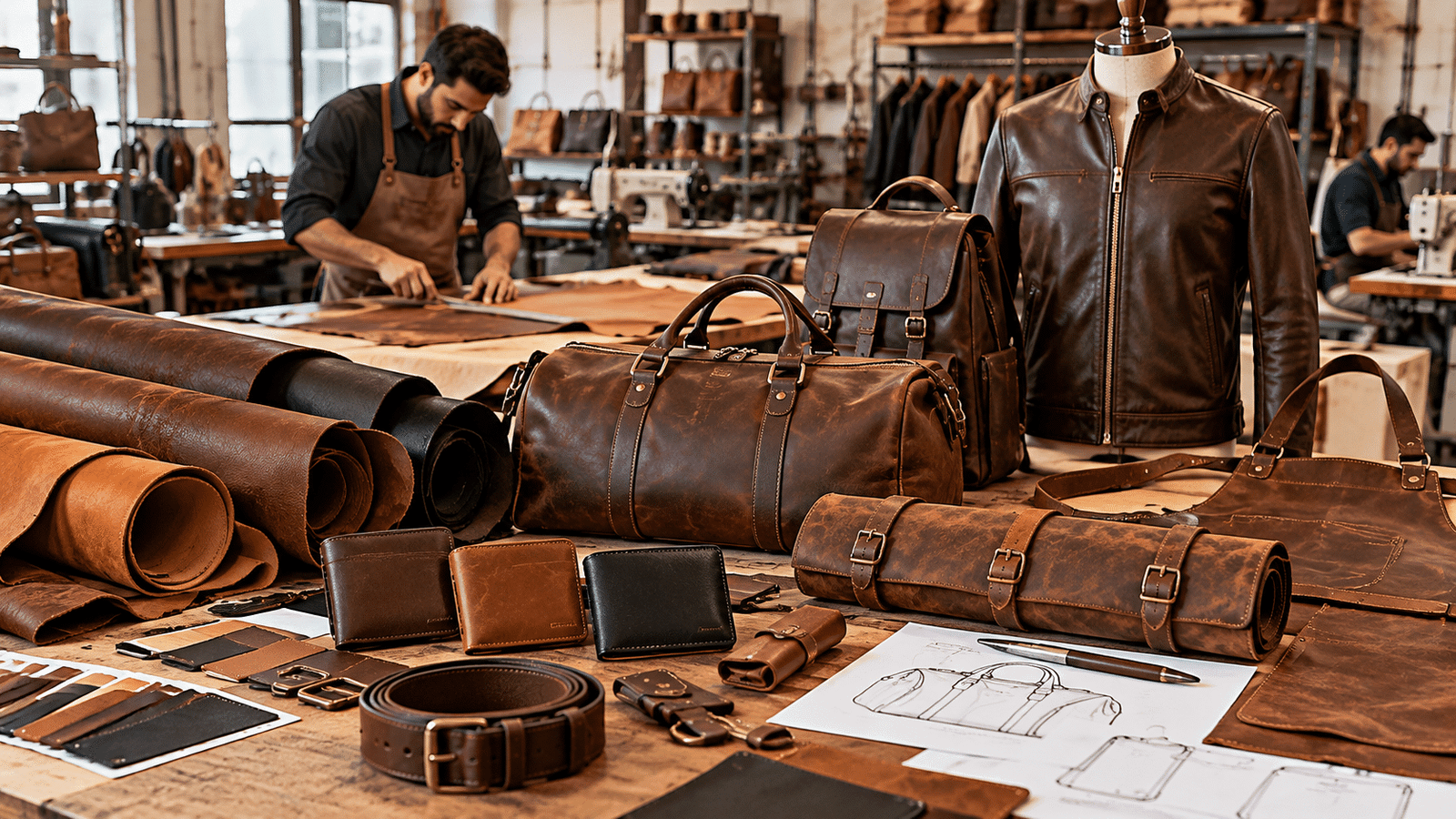
OEM manufacturers can produce a wide range of leather goods, depending on their equipment, skills, and production capabilities.
Common categories include:
- Leather bags and backpacks: Tote bags, travel bags, duffel bags, and backpacks.
- Leather jackets and apparel: Custom-designed jackets, vests, and other leather garments.
- Leather wallets and belts: Everyday accessories with customized materials and finishes.
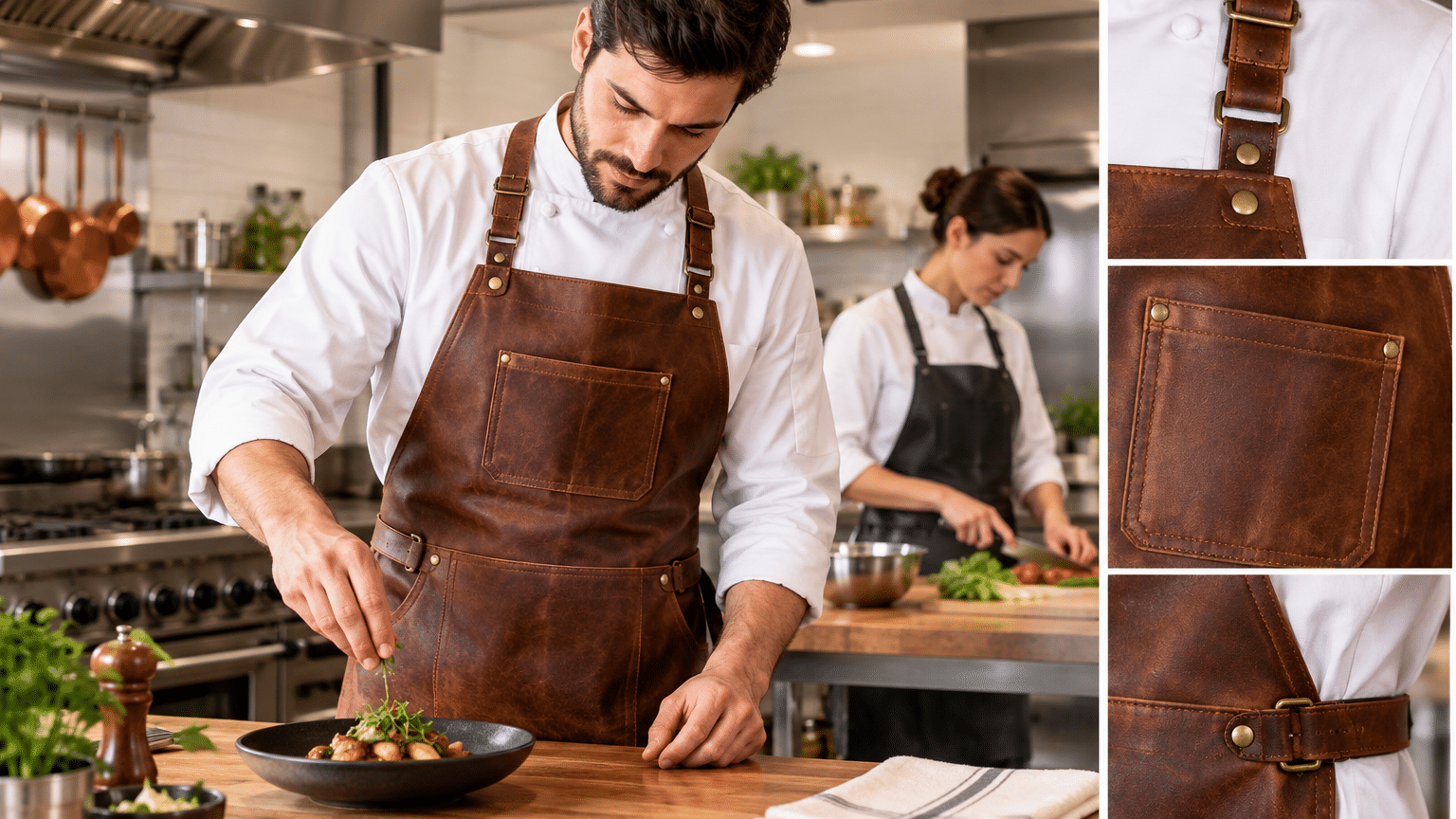
- Leather aprons and workwear: Durable aprons for chefs, artisans, barbers, and tradespeople.
- Leather knife rolls and tool bags: Purpose-built storage products for professionals and craftspeople.
- Custom leather accessories: Cardholders, organizers, pouches, and other specialized products.
Choosing a manufacturer with experience in your specific product category can improve construction quality and reduce development issues.
How Does the Custom Leather Goods Manufacturing Process Work?
The OEM manufacturing process typically moves through several stages, from initial planning to final delivery.
1. Product Concept and Design Requirements
The process begins with a product idea, technical drawings, reference images, or an existing sample. Buyers define dimensions, intended use, target price, functionality, and branding requirements.
Detailed specifications help manufacturers understand the project and prepare accurate quotations.
2. Material and Leather Selection
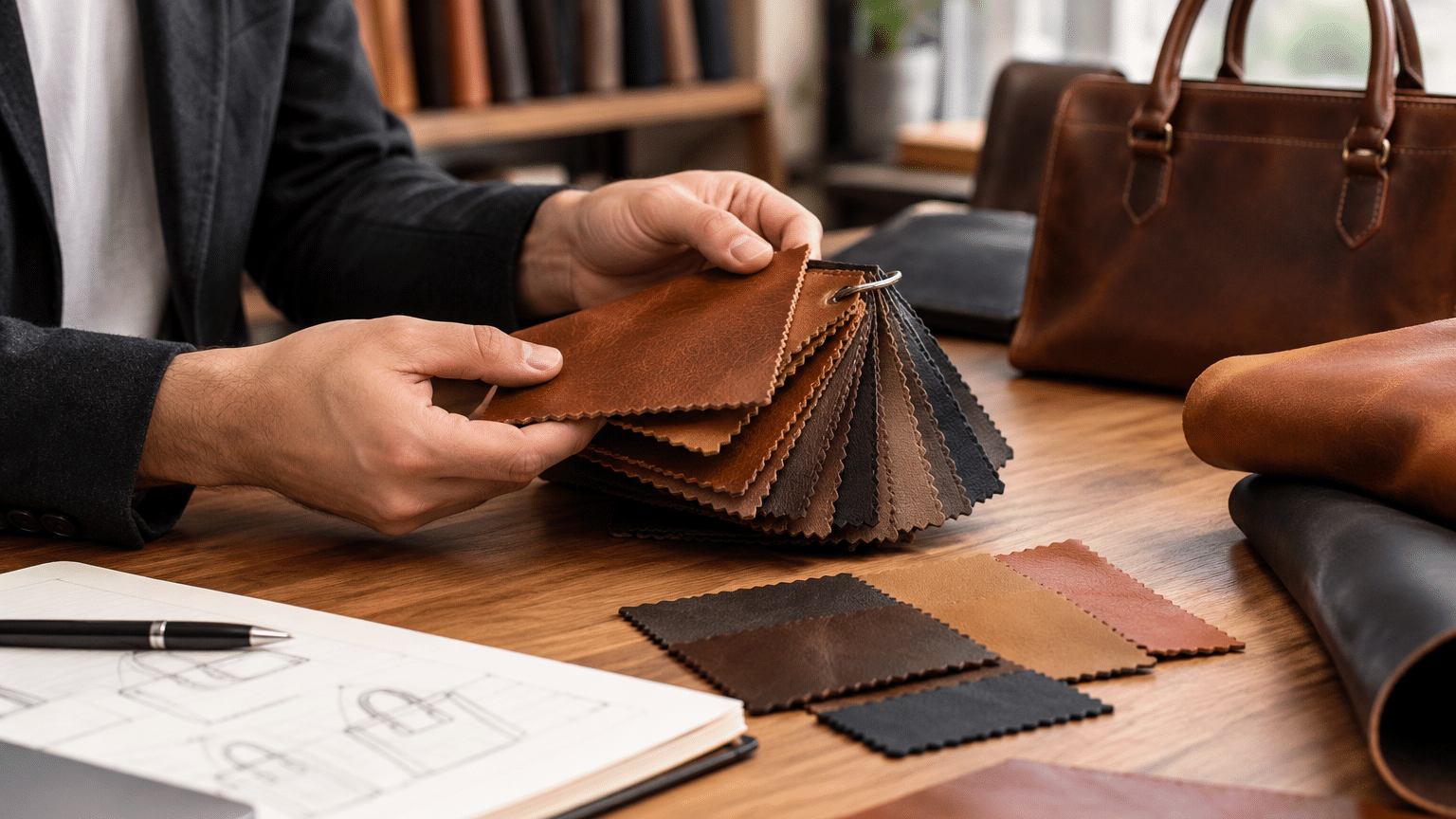
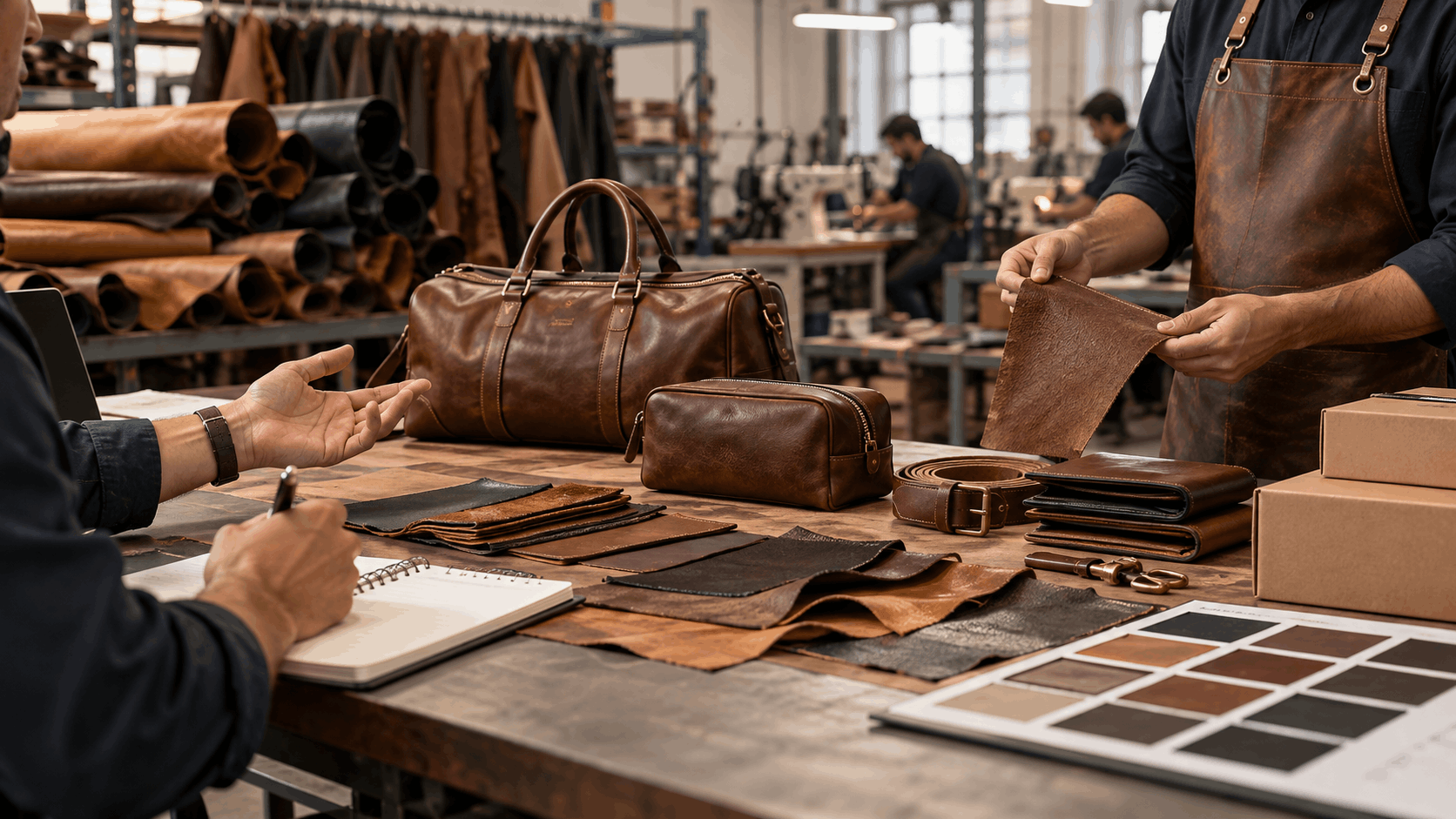
Leather selection affects the product’s appearance, durability, flexibility, and cost. Buyers may choose full-grain, top-grain, corrected-grain, or other suitable leather types based on the product’s intended use.
Color, thickness, texture, finish, lining, and hardware should also be confirmed before sampling.
3. Prototype and Sample Development
The manufacturer develops a prototype or pre-production sample to test the design, construction, fit, and functionality. This stage helps identify issues before committing to bulk production.
4. Sample Approval and Revisions
The buyer reviews the sample against the agreed specifications. Changes may involve dimensions, stitching, pockets, leather finish, hardware, or logo placement.
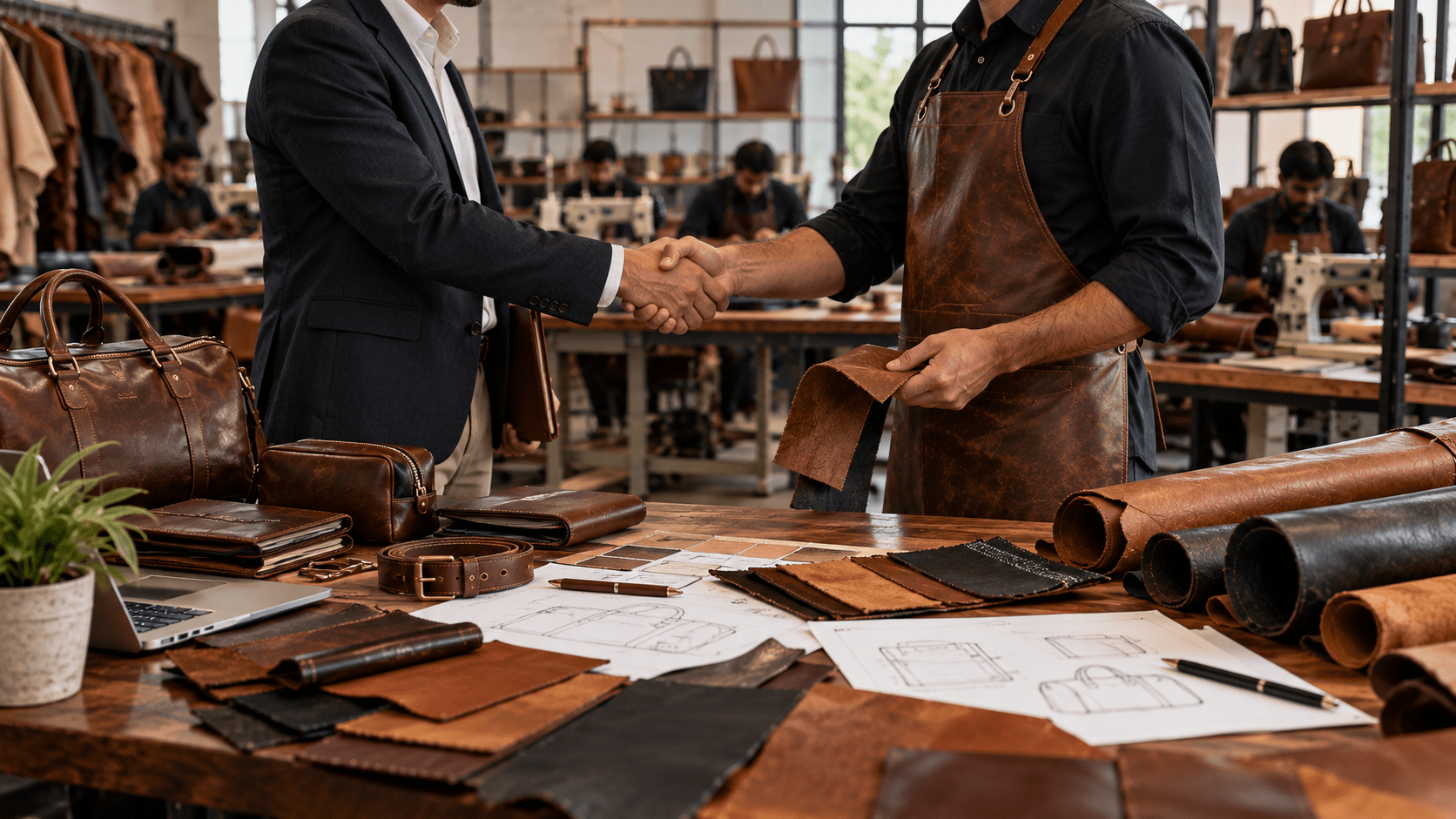
Written approval of the final sample establishes the reference standard for mass production.
5. Bulk Production
Once the sample and commercial terms are approved, the manufacturer begins production. The work may include leather cutting, preparation, stitching, assembly, edge finishing, and hardware installation.
Production methods vary according to the product type and required finish.
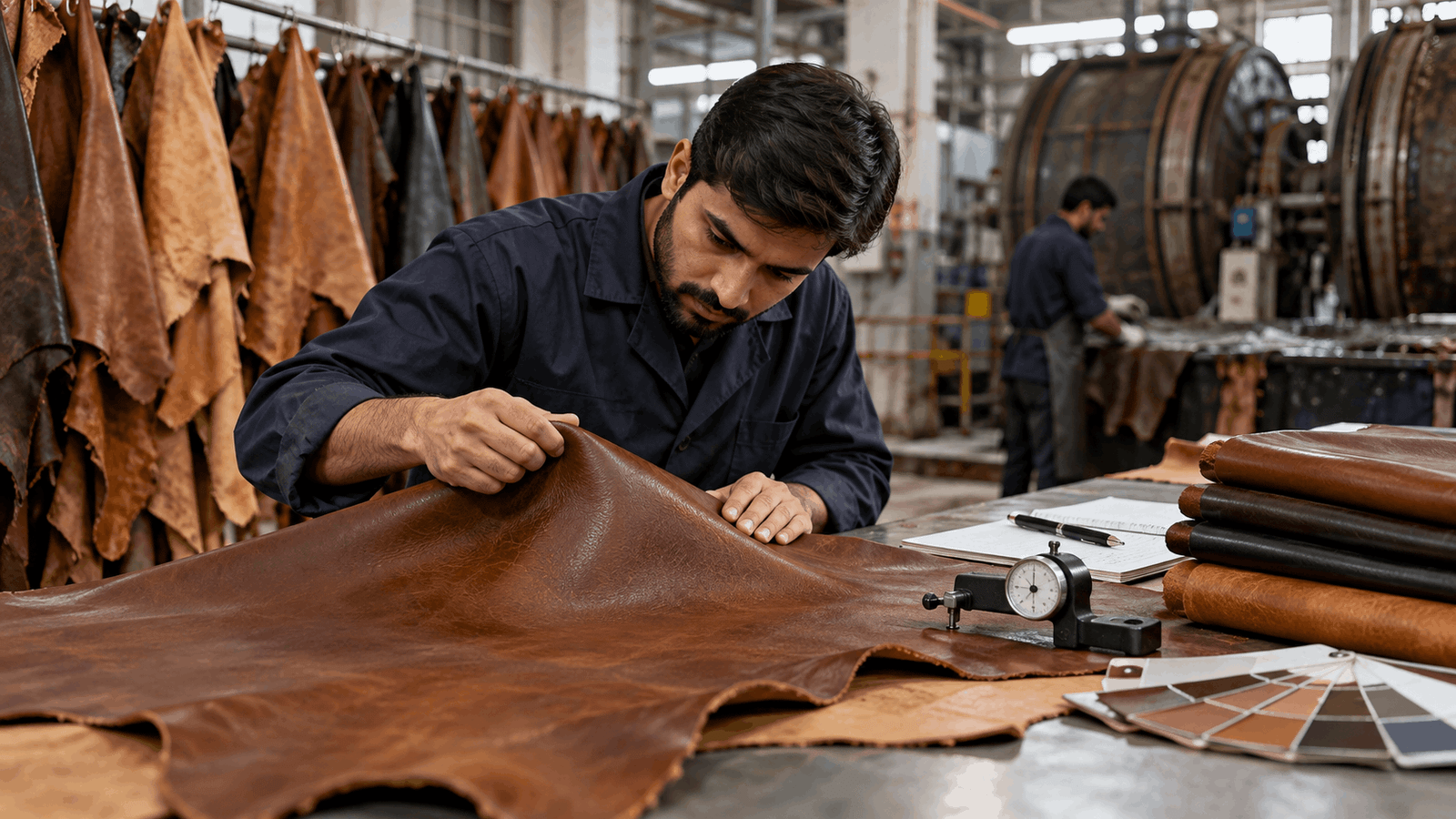
6. Quality Inspection and Packaging
Finished goods are inspected for material defects, stitching consistency, dimensions, functionality, and branding accuracy. Approved products are then packed according to the buyer’s packaging and labeling requirements.
7. Shipping and Delivery
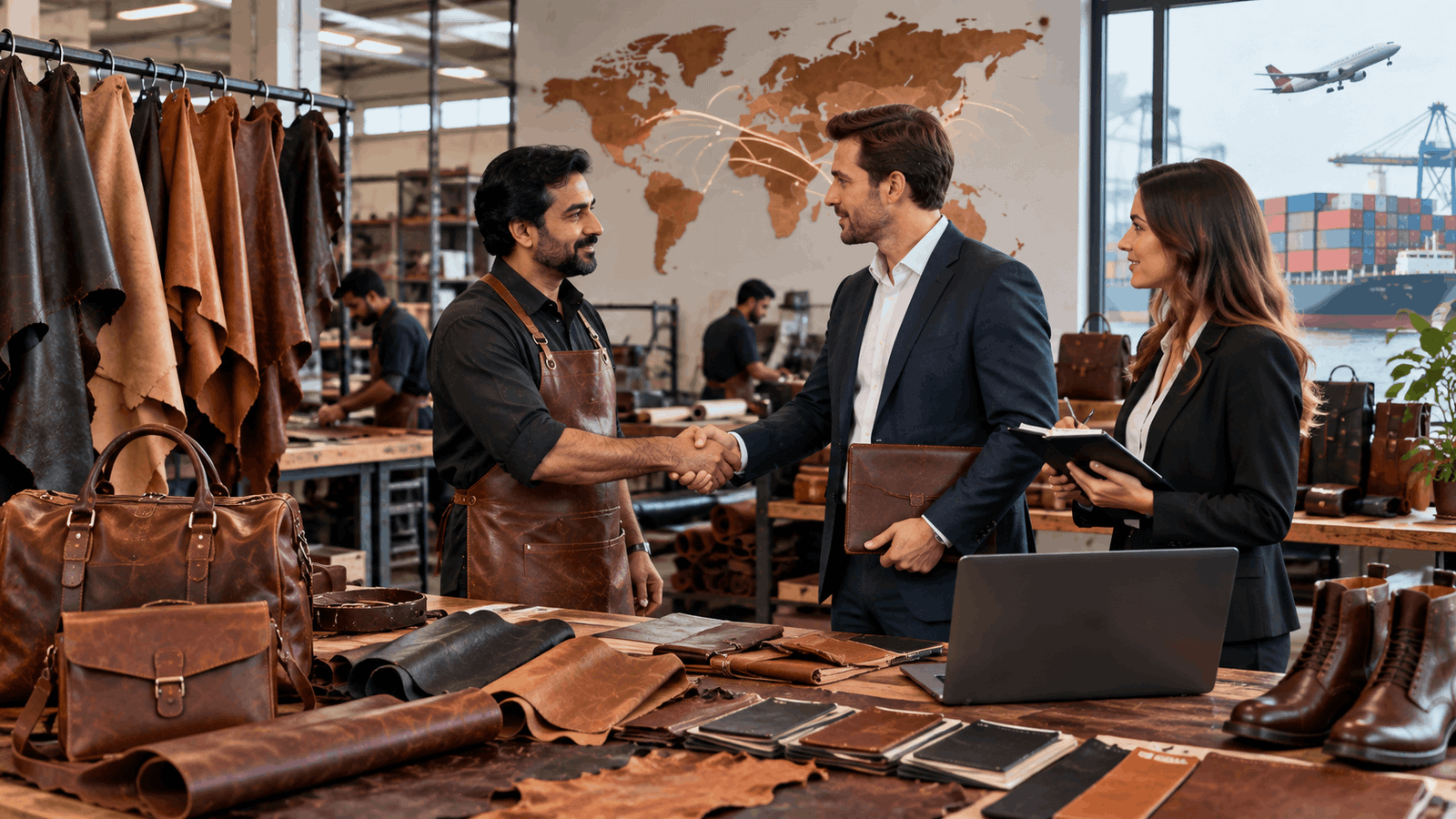
The final stage involves preparing shipping documents, arranging transportation, and delivering the order. Buyers should confirm the delivery method, shipping costs, responsibilities, and expected timeline before production begins.
What Can Brands Customize in OEM Leather Goods?
Customization allows brands to develop products that meet their target customers’ expectations while maintaining a consistent visual identity.
Common customization options include:
- Leather and finish: Select the leather type, color, texture, thickness, and surface finish.
- Product design: Specify dimensions, shape, construction, and functional features.
- Stitching and hardware: Choose thread colors, stitching patterns, zippers, buckles, rivets, and closures.
- Branding: Add embossed logos, debossed marks, printed labels, or other approved branding elements.
- Interior features: Customize linings, pockets, compartments, and storage arrangements.
- Packaging: Select product labels, protective packaging, and branded presentation materials.
Not every manufacturer offers every customization option. Confirm available capabilities, additional charges, and any minimum requirements before approving the design.
How to Choose the Right OEM Leather Goods Manufacturer
Selecting the right manufacturing partner affects product quality, production costs, delivery reliability, and long-term business growth.
When evaluating potential suppliers, consider the following factors.
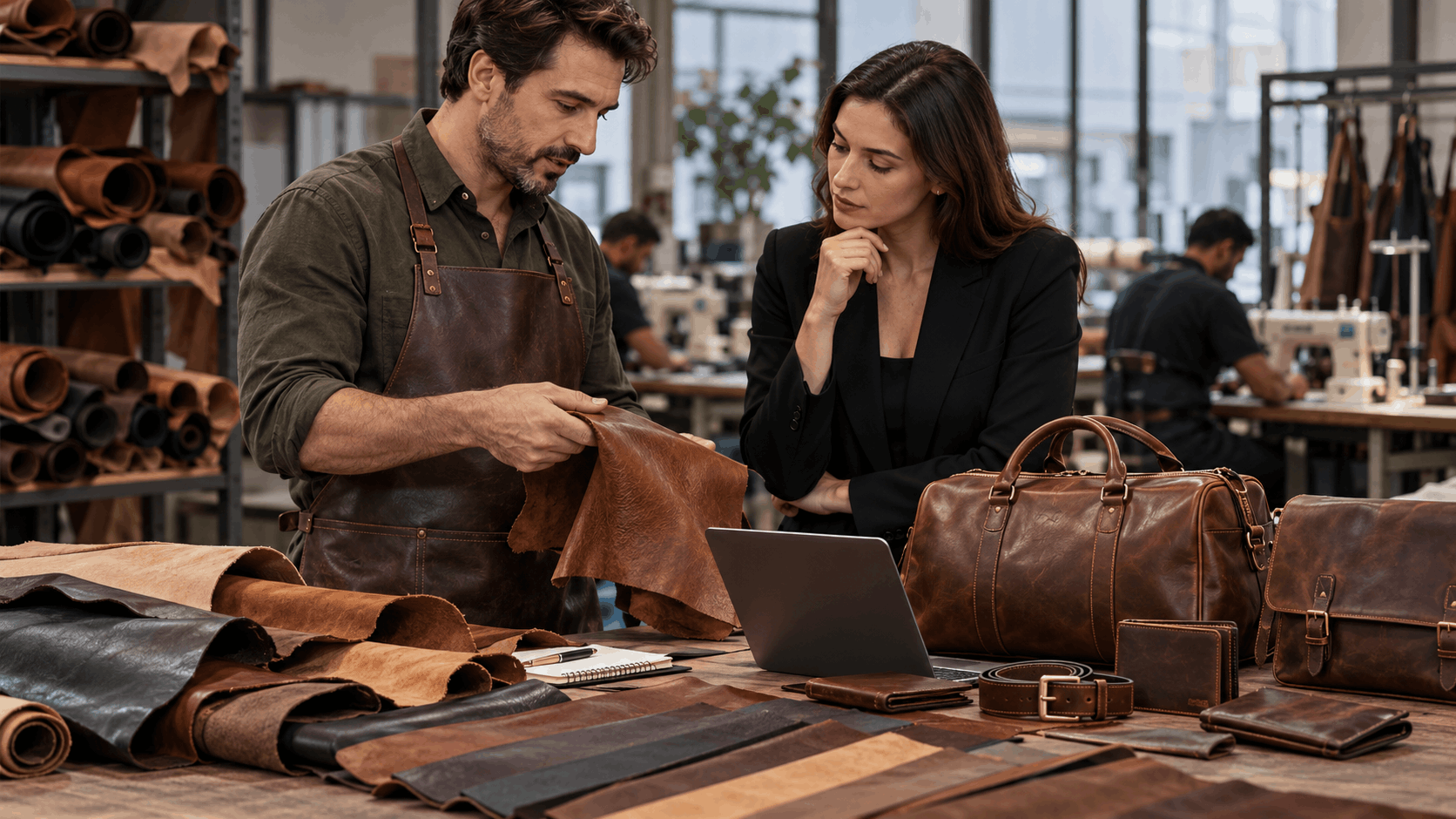
Manufacturing experience: Review their experience with your product category and request relevant product examples.
Leather sourcing and quality: Ask about available leather grades, material consistency, and sourcing practices.
Customization capabilities: Confirm whether the manufacturer can meet your design, hardware, branding, and packaging requirements.
Sample development: Evaluate how samples are prepared, revised, and approved before production.
Quality control: Ask about inspection procedures, defect tolerances, and quality checks during production.
Minimum order quantity: Make sure the required order volume fits your budget and sales forecasts.
Production capacity and lead times: Confirm realistic production schedules and how delays are handled.
Communication and pricing: Request an itemized quotation covering materials, labor, sampling, customization, packaging, and shipping where applicable.
For a more detailed evaluation, read our guide on choosing the Right Leather Manufacturer. If you are preparing to work with a production partner for the first time, our article on Hiring a Leather Manufacturer can also help you understand the key considerations before making a decision.
What Is the MOQ for Custom Leather Goods Manufacturing?
Minimum order quantity (MOQ) is the smallest order a manufacturer agrees to produce for a particular product or specification.
There is no universal MOQ for custom leather goods. It depends on the product’s complexity, material availability, production methods, customization requirements, and the manufacturer’s operating model.
For example, a simple leather accessory may require less setup than a complex bag with multiple compartments and custom hardware. Special leather colors, branded components, or custom packaging may also increase minimum quantities.
Startups can discuss smaller trial orders, simplified designs, or standard materials to manage initial investment. Established brands may negotiate larger production runs when demand is predictable.
Always confirm whether the MOQ applies per design, color, size, or total order.
How Much Does OEM Leather Goods Manufacturing Cost?
OEM leather goods manufacturing costs vary by product and specification. An accurate quotation requires enough detail for the manufacturer to estimate materials, labor, and production requirements.
The main cost factors include:
- Leather quality: Leather grade, thickness, finish, and material consumption.
- Product complexity: Cutting patterns, construction, compartments, and specialized features.
- Hardware and stitching: Zippers, buckles, metal components, thread, and finishing work.
- Sampling and tooling: Prototype development, pattern preparation, molds, or specialized tools.
- Order quantity: Production volume and the distribution of setup costs across units.
- Packaging: Labels, branded packaging, protective materials, and inserts.
- Logistics: Freight, insurance, customs duties, and other applicable shipping expenses.
To compare manufacturers fairly, provide the same product specifications to each supplier. Request a breakdown of one-time development charges and recurring per-unit costs, and confirm payment terms before placing an order.
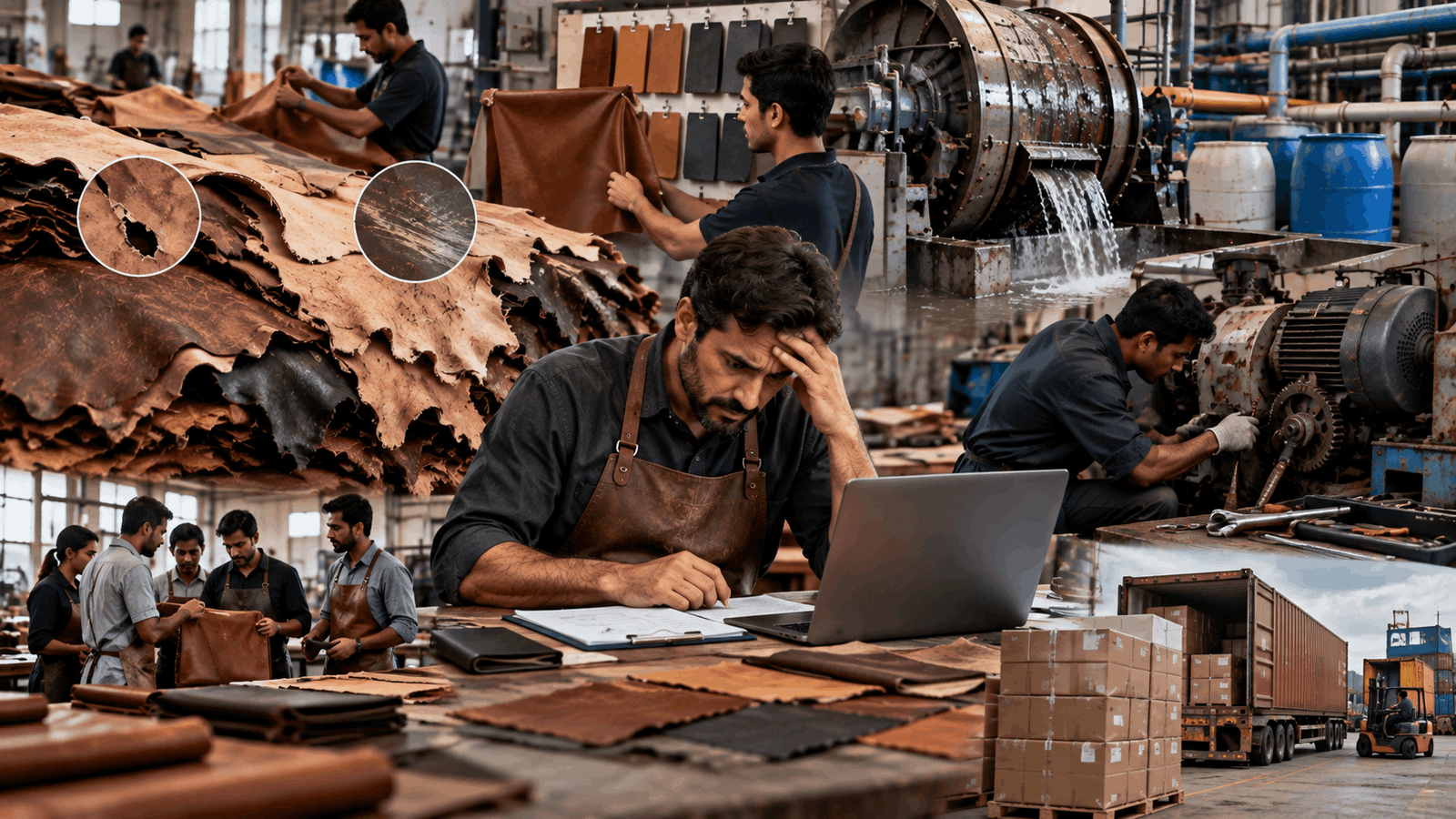
Common Challenges in OEM Leather Goods Production
OEM projects can encounter production issues when specifications, materials, or expectations are not clearly established.
Inconsistent product quality: Differences in leather appearance, stitching, dimensions, or finishing can affect the final batch. Approved samples and written quality standards help reduce variation.
Material availability: Specific leather colors, grades, and hardware may be difficult to source consistently. Confirm availability before approving production and discuss alternatives where necessary.
Production delays: Complex designs, sample revisions, or supply shortages can affect delivery schedules. Agree on milestones and maintain communication throughout production.
Cost overruns: Unclear specifications and late design changes may increase manufacturing costs. Finalize the design and confirm the quotation before bulk production.
Sample and design issues: A sample may not fully meet the intended requirements. Provide clear feedback, document revisions, and approve the final version before authorizing the production run.
Frequently Asked Questions
What is OEM leather goods manufacturing?
OEM leather goods manufacturing is the production of leather products according to a buyer’s design or specifications, usually for sale under the buyer’s brand.
What is the difference between OEM and private-label leather manufacturing?
OEM generally emphasizes production according to buyer-specific designs or requirements. Private-label manufacturing often involves selling products under a retailer’s or brand’s name, sometimes using existing designs with customized branding. Actual terminology varies between manufacturers.
Can I manufacture custom leather goods under my own brand?
Yes. Many OEM manufacturers offer custom designs, logo application, labels, and packaging. Confirm branding options, ownership of designs, and any exclusivity terms in your agreement.
What is the typical MOQ for OEM leather products?
There is no standard MOQ across the industry. Minimum quantities depend on the product, materials, customization, and manufacturer. Request product-specific requirements before planning your order.
How long does custom leather goods production take?
The timeline depends on design complexity, sample revisions, material availability, order quantity, and factory capacity. Sampling and bulk production should be discussed separately, with realistic milestones confirmed in writing.
Can manufacturers create samples before bulk production?
Yes. Many manufacturers offer prototypes or pre-production samples so buyers can evaluate design, materials, construction, and functionality before approving the full order. Sampling fees may apply.
How do I find a reliable OEM leather goods manufacturer?
Evaluate product specialization, material quality, sample development, quality-control procedures, production capacity, MOQ, pricing transparency, and communication. Approve a sample and establish written specifications before committing to bulk production.
Conclusion
Custom leather goods manufacturing gives brands the flexibility to develop products that match their designs, quality standards, and market requirements. A successful OEM project starts with clear specifications, suitable leather materials, a reliable manufacturing partner, and a properly approved sample.
Before placing an order, evaluate MOQ, production costs, quality-control procedures, and delivery timelines. Clear communication and documented expectations help reduce manufacturing risks and create a stronger foundation for repeat orders and long-term business growth.