



Different Animal Hides Used in Leather Production | Complete Guide

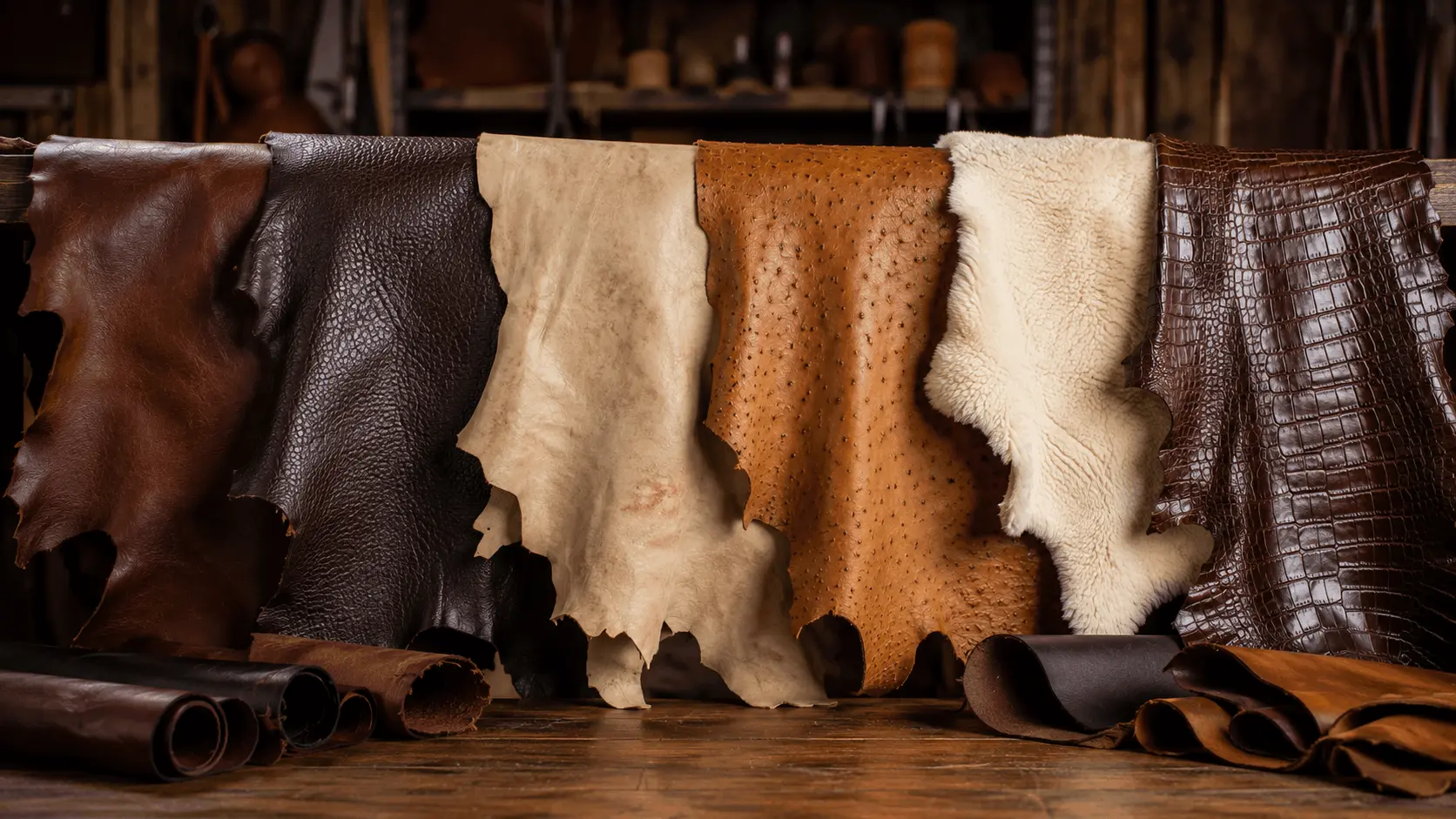
Leather is made from a variety of animal hides, each offering unique characteristics that influence the final product’s durability, appearance, texture, and performance. While many consumers associate leather with cowhide, manufacturers also use buffalo, goat, sheep, lamb, calf, and several exotic hides depending on the product requirements.
Selecting the right animal hide is one of the most important decisions in leather manufacturing. The hide determines not only how the leather looks and feels but also how well it performs over time. A hide that works well for heavy-duty belts may not be suitable for luxury handbags, while leather chosen for fashion jackets may differ significantly from leather used in work boots.
Whether you’re an importer, brand owner, sourcing agent, or private label business, understanding the characteristics of different animal hides can help you choose materials that match your quality standards, target customers, and product goals.
In this guide, we’ll explore the most commonly used animal hides in leather production, compare their properties, and explain which types are best suited for different leather products.
What Is an Animal Hide?
An animal hide is the outer skin of an animal that has been processed through tanning to produce leather. During manufacturing, raw hides are cleaned, preserved, tanned, dyed, and finished to create a durable material suitable for commercial products.
Although the terms hide and skin are often used interchangeably, they generally refer to different sizes of animal coverings.
- Hide usually comes from larger animals such as cattle and buffalo.
- Skin typically refers to smaller animals like goats, sheep, and lambs.
Different animals have different fiber structures, grain patterns, thicknesses, and natural characteristics. These differences directly influence the quality, strength, flexibility, and appearance of the finished leather.
If you’d like to learn more about the complete manufacturing journey, read our guide on How Leather Is Made: Step-by-Step Manufacturing Process.
Why the Type of Hide Matters
Not all leather performs the same because every animal hide has unique physical properties.
Choosing the right hide helps manufacturers produce leather products that meet specific performance and design requirements.
The type of hide affects several important characteristics.
- Strength
- Grain texture
- Thickness
- Softness
- Flexibility
- Durability
- Weight
- Cost
- Product suitability
For example, cowhide is commonly selected for products that require durability, while lambskin is often preferred for luxury garments because of its exceptionally soft texture.
Understanding these differences allows buyers to make better sourcing decisions and select leather that matches their intended application.
Common Animal Hides Used in Leather Production
The leather industry uses hides from several different animals, each offering distinct advantages. The best choice depends on the product, target market, and desired balance between durability, comfort, and appearance.
Cowhide
Cowhide is the most widely used leather in the world and serves as the standard material for many leather products. Its balanced combination of strength, durability, and versatility makes it suitable for both fashion and industrial applications.
Characteristics
- Medium to thick leather
- Natural grain texture
- Strong fiber structure
- Good flexibility
- Available in various finishes
Advantages
- Excellent durability
- Good resistance to wear
- Suitable for many product categories
- Widely available
- Offers good value for money
Limitations
- Heavier than lambskin or goatskin
- May require a break-in period for some products
- Premium grades cost more due to higher-quality hides
Common Applications
- Leather jackets
- Handbags
- Wallets
- Belts
- Furniture upholstery
- Footwear
- Travel bags
Cowhide is often the first choice for manufacturers looking for a reliable balance between durability, appearance, and cost.
Buffalo Hide
Buffalo leather is known for its rugged appearance and exceptional strength. Compared to cowhide, it generally has a more pronounced grain and a thicker fiber structure.
Because of its durability, buffalo leather is commonly used in products designed for demanding conditions.
Characteristics
- Thick fiber structure
- Distinctive grain pattern
- Firm texture
- Heavy-duty construction
Advantages
- Excellent abrasion resistance
- High durability
- Strong structural integrity
- Long service life
Limitations
- Heavier than many other leather types
- Less soft than lambskin or goatskin
- May feel stiffer when new
Common Applications
- Motorcycle jackets
- Work boots
- Heavy-duty belts
- Travel bags
- Industrial gloves
- Utility products
Buffalo leather is an excellent choice when durability is more important than softness.
Goat Skin
Goatskin is valued for its unique combination of softness, flexibility, and strength. Despite being thinner than cowhide, it offers impressive durability because of its naturally dense fiber structure.
Its distinctive pebble-like grain also gives finished products a premium appearance.
Characteristics
- Soft texture
- Lightweight feel
- Natural pebble grain
- High flexibility
- Fine fiber structure
Advantages
- Excellent strength-to-weight ratio
- Comfortable to wear
- Naturally flexible
- Attractive grain pattern
Limitations
- Smaller hide size limits large product production
- Premium grades may cost more than standard cowhide
Common Applications
- Gloves
- Wallets
- Premium footwear
- Fashion accessories
- Small leather goods
Goatskin is a popular choice for products that require flexibility without sacrificing durability.
Sheep Skin
Sheepskin is recognized for its softness, lightweight feel, and comfort. It is commonly used in fashion garments where flexibility and a smooth texture are important.
Many shearling products also use sheepskin because the wool remains attached during processing.
Characteristics
- Soft surface
- Lightweight construction
- Smooth texture
- Comfortable feel
Advantages
- Extremely comfortable
- Easy to wear
- Good flexibility
- Ideal for fashion products
Limitations
- Less abrasion resistant than cowhide
- Not suitable for heavy-duty applications
- Requires proper care
Common Applications
- Leather jackets
- Fashion garments
- Gloves
- Shearling coats
- Winter accessories
Sheepskin is often selected for products where comfort is a higher priority than maximum durability.
Lambskin
Lambskin is one of the softest and most luxurious leathers available. It has a fine grain, smooth texture, and lightweight feel that make it highly desirable for premium fashion products.
Because of its delicate nature, lambskin is typically used in luxury rather than heavy-duty applications.
Characteristics
- Ultra-soft texture
- Fine natural grain
- Lightweight
- Smooth finish
Advantages
- Premium appearance
- Exceptional softness
- Comfortable against the skin
- Luxurious feel
Limitations
- More susceptible to scratches
- Lower abrasion resistance than cowhide
- Requires careful maintenance
Common Applications
- Luxury leather jackets
- Designer handbags
- Premium apparel
- Fashion accessories
Luxury brands frequently choose lambskin for products where softness and elegance are key selling points.
Calfskin
Calfskin comes from young cattle and is widely regarded as one of the finest leathers used in luxury manufacturing.
It combines softness with excellent durability while maintaining a smooth and refined grain.
Characteristics
- Fine grain texture
- Smooth surface
- Moderate thickness
- Excellent flexibility
Advantages
- Premium finish
- Strong yet soft
- High durability
- Elegant appearance
Limitations
- Higher cost
- Limited availability compared to standard cowhide
Common Applications
- Luxury shoes
- Premium handbags
- Wallets
- Briefcases
- High-end leather accessories
Calfskin is commonly used by luxury manufacturers seeking a refined appearance without sacrificing durability.
Exotic Animal Hides
In addition to traditional hides, some manufacturers produce leather from exotic animals such as:
- Crocodile
- Alligator
- Ostrich
- Snake
- Lizard
These leathers are typically used for luxury handbags, footwear, belts, wallets, and fashion accessories because of their distinctive textures and rarity.
However, sourcing exotic leather requires careful attention to international trade regulations, documentation, and sustainability requirements. Buyers should always verify compliance with the import regulations of their target market before purchasing exotic leather products.
Comparison Table: Animal Hides Used in Leather Production
| Animal Hide | Texture | Durability | Softness | Thickness | Best For |
| Cowhide | Natural grain | Excellent | Medium | Medium to Thick | Jackets, bags, belts, furniture |
| Buffalo Hide | Coarse grain | Excellent | Medium | Thick | Work boots, motorcycle gear, travel bags |
| Goat Skin | Pebbled grain | Very Good | Soft | Medium | Gloves, wallets, footwear, accessories |
| Sheep Skin | Smooth | Good | Very Soft | Thin | Fashion garments, shearling, gloves |
| Lambskin | Fine and smooth | Good | Excellent | Thin | Luxury jackets, handbags, designer apparel |
| Calfskin | Fine grain | Excellent | Soft | Medium | Luxury shoes, handbags, wallets, briefcases |
In the next section, we’ll compare which animal hide is best for different products, share buying tips for OEM and private label brands, address common myths, and answer frequently asked questions to help you choose the right leather for your sourcing needs.
Which Animal Hide Is Best?
There is no single animal hide that is best for every leather product. The right choice depends on the product’s purpose, target market, budget, and customer expectations.
Some hides prioritize durability, while others offer greater softness or a more luxurious appearance. Understanding these differences helps buyers select the most suitable material for their products.
Best for Leather Jackets
Recommended: Cowhide, Lambskin, and Sheepskin
Cowhide is ideal for durable everyday jackets, while lambskin offers exceptional softness and is widely used in luxury fashion. Sheepskin is commonly chosen for lightweight jackets and shearling garments.
Best for Handbags
Recommended: Calfskin and Cowhide
Calfskin provides a smooth, refined finish suitable for luxury handbags, while cowhide offers durability for everyday use.
Best for Wallets
Recommended: Calfskin and Goatskin
Both leathers are durable, flexible, and attractive. Calfskin is often preferred for premium wallets, while goatskin offers a distinctive natural grain and excellent strength.
Best for Belts
Recommended: Cowhide and Buffalo Hide
Belts require strong leather that resists stretching over time. Cowhide and buffalo leather both provide excellent structural strength and durability.
Best for Shoes
Recommended: Calfskin and Cowhide
Calfskin is commonly used in premium dress shoes because of its fine grain and flexibility. Cowhide is widely used for casual footwear and boots due to its durability.
Best for Luxury Products
Recommended: Lambskin and Calfskin
Luxury brands often select these hides because of their refined appearance, smooth texture, and premium feel.
Best for Heavy-Duty Products
Recommended: Buffalo Hide
Buffalo leather performs exceptionally well in products designed for demanding use, including work boots, motorcycle gear, industrial gloves, and heavy-duty travel bags.
Buying Tips for OEM and Private Label Brands
Selecting the right animal hide is only one part of successful leather sourcing. Buyers should also consider how the material aligns with their product requirements and manufacturing goals.
Match the Hide to the Product
Different products require different leather characteristics.
For example:
- Luxury handbags often benefit from calfskin.
- Work boots typically require buffalo or cowhide.
- Fashion jackets may use lambskin or sheepskin.
- Belts usually perform best with thicker hides.
Choosing the right hide improves both product quality and customer satisfaction.
Understand Customer Expectations
Before selecting a leather type, consider what your customers value most.
Ask questions such as:
- Do they prefer luxury or durability?
- Is softness more important than abrasion resistance?
- Are they willing to pay more for premium leather?
Understanding your target market helps guide material selection.
Request Leather Samples
Always review physical samples before approving production.
Inspect each sample for:
- Grain consistency
- Leather thickness
- Softness
- Flexibility
- Color accuracy
- Surface finish
Sample approval reduces the risk of quality issues during bulk manufacturing.
Confirm Leather Thickness
Leather thickness affects durability, comfort, and overall product performance.
Work with your manufacturer to ensure the selected hide meets your product specifications.
Discuss the Tanning Method
The tanning process also influences the finished leather’s appearance and performance.
Some products benefit from chrome tanning, while others are better suited to vegetable tanning depending on the intended application.
Verify Consistency Across Production
Consistency is essential, particularly for private label and OEM brands.
Before placing a bulk order, confirm that the manufacturer can maintain:
- Consistent color
- Uniform grain
- Similar thickness
- Stable product quality across production batches
Reliable consistency helps protect your brand reputation.
Common Myths About Animal Hides
Myth 1: All Leather Comes from Cows
False.
Although cowhide is the most widely used leather, manufacturers also produce leather from buffalo, goats, sheep, lambs, calves, and several exotic animals.
Myth 2: Thicker Leather Is Always Better
Not necessarily.
The ideal thickness depends on the product. Heavy-duty belts require thick leather, while luxury jackets and handbags often benefit from thinner, softer hides.
Myth 3: Softer Leather Is Less Durable
Not always.
Leathers such as calfskin and goatskin combine excellent softness with impressive durability when properly manufactured.
Myth 4: More Expensive Leather Is Always the Best Choice
Higher-priced leather often reflects rarity, appearance, or craftsmanship rather than suitability.
The best leather is the one that matches the product’s intended use and customer expectations.
Conclusion
Different animal hides bring different qualities to leather manufacturing. Cowhide offers versatility and durability, buffalo leather excels in demanding applications, goatskin provides an excellent balance of strength and flexibility, while lambskin and calfskin are widely used for premium fashion and luxury products.
Rather than searching for the “best” leather, buyers should focus on selecting the hide that best fits their product, target audience, and performance requirements. Factors such as leather quality, tanning method, craftsmanship, and manufacturing standards all play an important role in the final product.
By understanding the characteristics of each animal hide, brands and sourcing professionals can make more informed purchasing decisions and develop products that meet both quality expectations and market demand.
If you’re looking to build a deeper understanding of leather materials, manufacturing, and sourcing, explore our Detail Leather Guide for additional insights.
Frequently Asked Questions
What animal hides are commonly used to make leather?
The most commonly used animal hides include cowhide, buffalo hide, goatskin, sheepskin, lambskin, and calfskin. Some luxury products also use exotic hides such as crocodile, ostrich, and snake leather.
What is the most common hide used in leather production?
Cowhide is the most widely used leather because it offers an excellent balance of durability, versatility, availability, and cost.
Is cowhide better than buffalo leather?
Neither is universally better. Cowhide is more versatile and commonly used across many product categories, while buffalo leather offers greater thickness and durability for heavy-duty applications.
What is lambskin leather?
Lambskin leather is made from young sheep and is known for its exceptionally soft texture, fine grain, and lightweight feel. It is commonly used for luxury jackets, handbags, and designer accessories.
Is goatskin leather durable?
Yes. Despite its lightweight construction, goatskin has a dense fiber structure that provides excellent strength, flexibility, and long-term durability.
Which animal hide is best for leather jackets?
Cowhide is popular for durable everyday jackets, while lambskin and sheepskin are preferred for luxury and fashion garments because of their softness and comfort.
What leather is best for handbags?
Calfskin is widely used for premium handbags because of its smooth grain and refined appearance, while cowhide is a durable choice for everyday bags.
Which leather is used for luxury products?
Luxury brands often use calfskin and lambskin because of their premium appearance, fine grain, and soft texture.
Are exotic leathers legal to import?
Some exotic leathers are subject to international trade regulations and may require special permits or documentation. Buyers should always verify import requirements before sourcing exotic leather products.
How do manufacturers choose the right animal hide?
Manufacturers evaluate the product’s intended use, durability requirements, flexibility, appearance, leather thickness, target market, and budget before selecting the most suitable hide.