




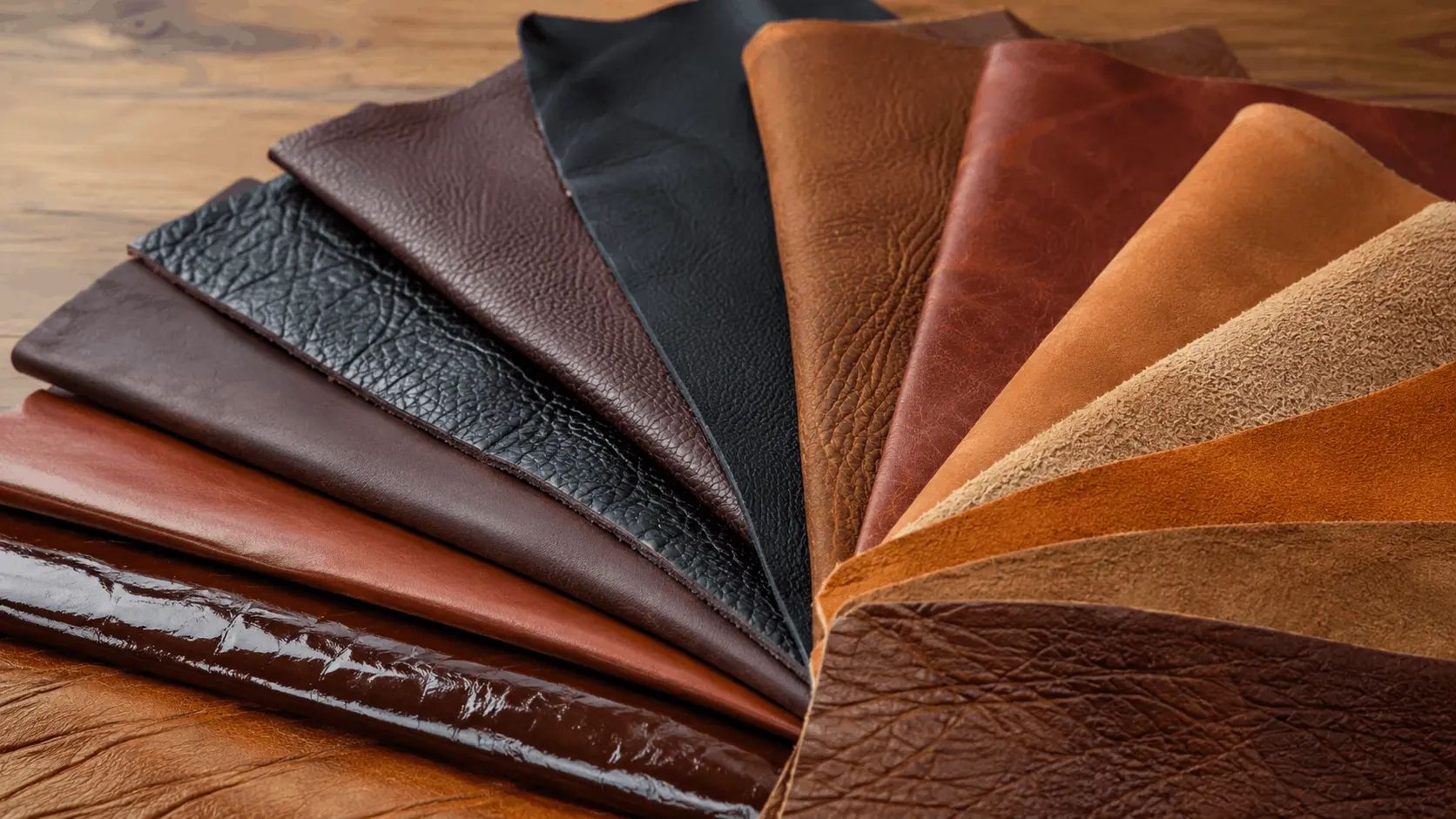
Leather finishes do much more than change the appearance of leather. They influence how leather feels, performs, ages, and how much care it requires. The same hide can look and behave completely differently depending on the finish applied.
Understanding leather finishes helps you choose the right leather for jackets, bags, shoes, furniture, and other products. Keep in mind that leather quality and leather finish are not the same. While the quality depends on the hide and tanning process, the finish determines the leather’s final look, protection, and performance. If you’re familiar with Types of Leather, finishing is simply the final step that gives each leather its unique character.
What Is Leather Finishing?
Leather finishing is the final stage of leather production, where manufacturers treat the surface of tanned leather to improve its appearance, feel, durability, and protection. Depending on the desired result, they may apply dyes, pigments, waxes, oils, or protective coatings.
Unlike tanning, which preserves and strengthens the hide, finishing enhances the leather’s surface by adding color, texture, or protective properties. It takes place after tanning and before the leather is turned into products such as jackets, bags, shoes, or furniture.
The finishing process may include cleaning the surface, applying the chosen finish, drying, polishing, or embossing the leather. The type of finish selected ultimately determines how the leather looks, feels, and performs over time.
Why Leather Finish Matters
The finish applied to leather affects both its appearance and performance. Two products made from similar hides can look, feel, and wear differently simply because they use different leather finish types.
Appearance
The finish determines whether leather looks natural, glossy, matte, textured, or distressed. It also controls how much of the natural grain and markings remain visible.
Scratch Resistance
Protective finishes offer better resistance to scratches, while natural finishes like aniline develop marks that add character over time.
Water Resistance
Waxed and pigmented finishes provide better moisture resistance than lightly finished leather, although no finish makes leather completely waterproof.
Color Consistency
Pigmented finishes create a more even color, while natural finishes preserve the unique variations found in each hide.
Softness and Breathability
Light finishes maintain leather’s natural softness and breathability, whereas heavier coatings provide more protection but reduce airflow.
Longevity
The right finish helps protect leather from daily wear, moisture, dirt, and sunlight, extending its lifespan with proper care.
Cost
Premium finishes like aniline require higher-quality hides, making them more expensive, while protective finishes offer durability at a wider range of price points.
Understanding leather finishes is just as important as knowing Leather Grades, as both influence the quality, durability, and overall value of a leather product.
Different Types of Leather Finishes
Modern leather manufacturing offers a wide variety of finishing techniques, each designed to achieve a specific balance of appearance, durability, protection, and maintenance. Some finishes preserve the leather’s natural beauty, while others prioritize practicality or create distinctive decorative effects.
Aniline Leather Finish
Aniline leather is considered the most natural of all leather finishes because it uses transparent dyes that enhance the leather’s color without hiding its original grain, pores, scars, or unique markings. This creates an authentic appearance that highlights the hide’s natural beauty.
Only premium-quality hides are suitable for aniline finishing since surface imperfections remain fully visible. This finish is commonly found in luxury furniture, high-end handbags, premium leather jackets, and other products where natural appearance and exceptional craftsmanship are highly valued.
Semi-Aniline Leather Finish
Semi-aniline leather combines the natural beauty of aniline leather with a thin protective coating that improves resistance to stains and everyday wear. This finish offers an excellent balance between authentic leather character and practical durability.
Because of its attractive appearance and improved protection, semi-aniline leather is widely used in furniture, handbags, footwear, jackets, and other premium leather goods. It remains a popular choice for buyers seeking both elegance and easier maintenance.
Pigmented Leather Finish
Pigmented leather is created by applying colored pigments followed by a durable protective topcoat. This finishing method produces a consistent color while covering many natural imperfections, making the leather more uniform in appearance.
Its durability and low maintenance make pigmented leather one of the most widely used leather finish types. It is commonly found in furniture, automotive interiors, belts, handbags, wallets, and many everyday leather products that require reliable performance.
Nubuck Leather Finish
Nubuck leather is produced by lightly sanding the grain side of the hide to create a soft, velvety texture while maintaining the strength and durability associated with top-grain leather. The result is a refined matte surface with a luxurious feel.
Nubuck is frequently used for premium footwear, handbags, jackets, and fashion accessories where both softness and durability are important. Its elegant appearance makes it a preferred choice for high-quality leather products with a sophisticated finish.
Suede Leather Finish
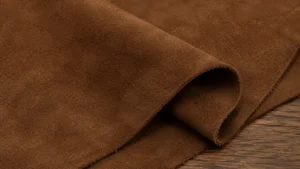
Suede is produced from the flesh side of the hide, creating a soft, textured nap that gives the leather its distinctive appearance and comfortable feel. Its surface offers a more relaxed look compared to smoother leather finishes while remaining highly versatile.
Because of its lightweight texture and unique appearance, suede is widely used in jackets, shoes, gloves, handbags, and fashion accessories. It continues to be a popular material for products that emphasize comfort, flexibility, and casual style.
Embossed Leather Finish
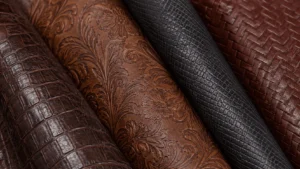
Embossed leather is created by pressing patterns or textures onto the leather surface using heat and pressure. This process can reproduce the appearance of exotic skins, geometric designs, or natural grain patterns while giving the leather a distinctive decorative finish.
Embossed leather is widely used for handbags, wallets, belts, footwear, upholstery, and luxury accessories where decorative surface patterns enhance visual appeal. It offers manufacturers greater design flexibility while maintaining the strength and functionality of genuine leather.
Pull-Up Leather Finish
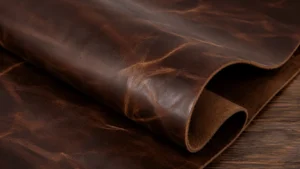
Pull-up leather is treated with oils and waxes that move within the leather fibers when the material is bent or stretched. This creates a lighter shade in the affected area, producing a rich vintage appearance that develops more character with regular use.
Because of its distinctive aging process, pull-up leather is commonly used for boots, travel bags, sofas, belts, and rustic-inspired leather goods. Many buyers appreciate the natural patina that continues to evolve throughout the product’s lifetime.
Waxed Leather Finish
Waxed leather receives a protective wax coating that enriches the surface while creating a rich, slightly distressed appearance with a subtle sheen. The wax also enhances the leather’s texture and helps provide moderate resistance against everyday moisture and dirt.
Waxed leather is commonly found in boots, jackets, bags, aprons, and outdoor accessories where a classic handcrafted appearance is preferred. With proper care, the finish continues to develop a unique character while maintaining its rugged appeal.
Patent Leather Finish
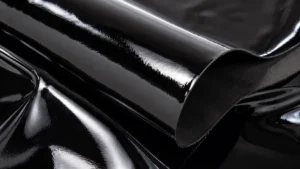
Patent leather is produced by applying multiple layers of lacquer or synthetic coatings that create its signature glossy, mirror-like finish. The smooth reflective surface gives the leather a highly polished appearance that stands out from more natural finishes.
Patent leather is widely used in formal shoes, handbags, belts, wallets, and fashion accessories because of its elegant shine. Its smooth surface is also relatively easy to clean, making it a practical choice for products that prioritize appearance.
Oil-Tanned Leather Finish
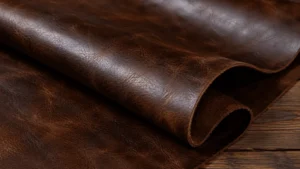
Oil-tanned leather is infused with natural or synthetic oils during the finishing process, producing leather with a soft feel, excellent flexibility, and a rich, rugged appearance. The oils penetrate the fibers, helping the leather remain supple even after extended use.
This finish is commonly used for work boots, tool belts, outdoor gear, saddlery, utility bags, and other heavy-duty leather products where long-term performance is essential. Its combination of durability and flexibility makes it a trusted option for demanding applications.
How to Identify Leather Finishes
You can often identify different types of leather finishes by looking at the leather’s appearance and feeling its surface. These simple characteristics can help you recognize the finish, even if the manufacturer doesn’t mention it.
Texture
Aniline leather feels smooth, nubuck has a soft velvety texture, suede has a textured nap, and embossed leather features raised or decorative patterns.
Shine
Patent leather has a glossy finish, pigmented leather usually has a satin sheen, while aniline and nubuck appear more natural and matte.
Surface Feel
Aniline feels soft and natural, pigmented leather feels smoother because of its coating, and pull-up or oil-tanned leather has a rich, waxy feel.
Water Resistance
Aniline leather absorbs water quickly, while pigmented and waxed leather offer better resistance to moisture.
Grain Visibility
Natural grain, pores, and markings are clearly visible on aniline leather. Pigmented leather hides many imperfections for a more uniform appearance.
Scratch Behavior
Pull-up leather lightens when bent or scratched, aniline develops natural marks easily, while pigmented leather is generally more resistant to visible scratches.
By checking these characteristics together, you can easily identify most leather finish types and choose the right leather for your needs.
Frequently Asked Questions
What is leather finishing?
Leather finishing is the final stage of leather production where dyes, pigments, oils, waxes, protective coatings, or decorative treatments are applied to improve the leather’s appearance, durability, texture, and performance.
What is the most durable leather finish?
Pigmented leather is generally considered one of the most durable finishes because its protective coating provides excellent resistance to scratches, stains, fading, and everyday wear. It is widely used for furniture, automotive interiors, and high-use leather goods.
Which leather finish is the most natural?
Aniline leather is regarded as the most natural finish because it uses transparent dyes without heavy surface coatings. The leather retains its original grain, pores, and natural markings, giving each hide a unique appearance.
Is aniline leather better than pigmented leather?
Neither finish is universally better. Aniline leather offers unmatched natural beauty and softness, while pigmented leather provides greater durability and easier maintenance. The better choice depends on how the leather will be used.
What is the difference between suede and nubuck?
Nubuck is created by sanding the grain side of top-grain leather, resulting in a fine velvety texture while retaining greater strength. Suede is made from the flesh side of the hide, producing a softer nap but generally lower durability than nubuck.
Which leather finish is easiest to maintain?
Pigmented leather is usually the easiest to maintain because its protective coating resists stains, moisture, and dirt more effectively than natural finishes. Routine cleaning with a soft cloth is often sufficient for everyday care.
Does leather finish affect durability?
Yes. The finish plays an important role in protecting leather against abrasion, moisture, scratches, and environmental exposure. A suitable finish can significantly improve the product’s longevity when combined with proper maintenance.
Can leather finishes be restored?
Some finishes can be refreshed or restored using professional leather care products or refinishing services. However, the success of restoration depends on the type of finish, the condition of the leather, and the extent of wear or damage.
Which leather finish is best for jackets?
There is no single best finish for leather jackets. Aniline offers a premium natural look, semi-aniline balances beauty and durability, while waxed and pull-up finishes provide a rugged appearance that develops character over time.
Which leather finish is best for furniture?
Semi-aniline and pigmented leather are among the most popular choices for furniture. Semi-aniline offers a natural appearance with added protection, while pigmented leather provides excellent durability for homes with frequent daily use.
Conclusion
Leather finishing is one of the most important stages in leather manufacturing because it directly influences how leather looks, feels, performs, and ages. From preserving the natural beauty of aniline leather to maximizing durability with pigmented finishes or creating distinctive character through pull-up and waxed treatments, each finish is designed for a specific purpose.
There is no universally “best” leather finish. The right choice depends on how the leather product will be used, the level of durability required, your maintenance preferences, and the appearance you want to achieve. Understanding the different leather finishes allows you to compare products more confidently and invest in leather that meets your long-term expectations.