Leather manufacturing cost can vary significantly even when two products look almost identical. A leather bag made from full-grain cowhide with premium hardware, reinforced construction, and custom branding will cost more to produce than a simpler bag made with lower-grade leather and standard components. The same principle applies to jackets, gloves, wallets, aprons, and other leather goods.
If you’re planning a new product or requesting quotes from manufacturers, you need to understand what actually goes into the price you’re being quoted. Leather quality, product complexity, labor, hardware, order quantity, customization, and manufacturing location can all affect the final leather manufacturing cost. A lower factory quote isn’t necessarily a better deal if it comes with compromises in materials, workmanship, or quality control.
Rather than relying on a single average price, you should break the product down into its individual cost components. This gives you a much better basis for comparing quotations and identifying where you can reduce costs without compromising the quality your customers expect.
What Goes Into Leather Manufacturing Cost?
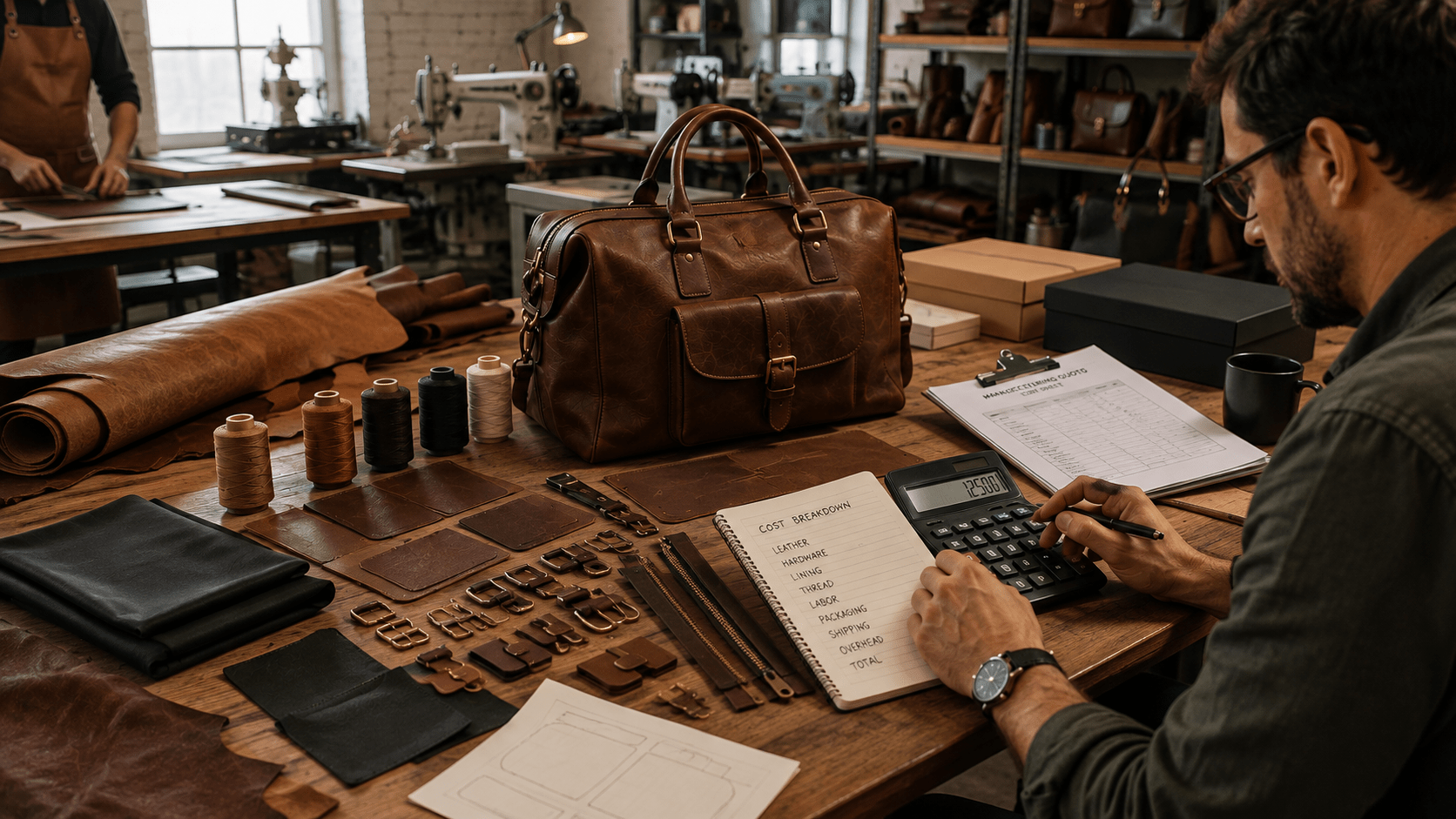
A factory doesn’t determine the price of a leather product from the leather alone. Several costs accumulate before a finished product is ready for packaging and shipment.
At a basic level, manufacturing cost can be understood as:
Leather + Components + Labor + Product Development + Factory Overhead + Quality Control + Packaging = Manufacturing Cost
This is the factory-level cost structure. Freight, import duties, taxes, warehousing, and retail margins are separate expenses that should be considered when calculating your eventual landed cost and selling price.
Understanding this distinction is important when comparing manufacturers. A quotation that initially looks cheaper may exclude services or components included in another factory’s price.
1. Leather Type and Quality
Leather is one of the most important variables affecting manufacturing cost.
The price depends on more than whether the supplier describes the material as “real leather.” Leather grade, hide quality, animal source, tanning method, thickness, finish, and usable cutting area all influence how much material is required to manufacture your product.
For example, choosing between full-grain and lower-grade leather isn’t simply an aesthetic decision. Higher-quality hides may cost more, but they can provide better durability, natural character, and long-term performance. Understanding leather grades and quality standards, therefore, gives you a better basis for comparing quotations from different factories.
Usable Leather Matters More Than the Hide’s Total Area
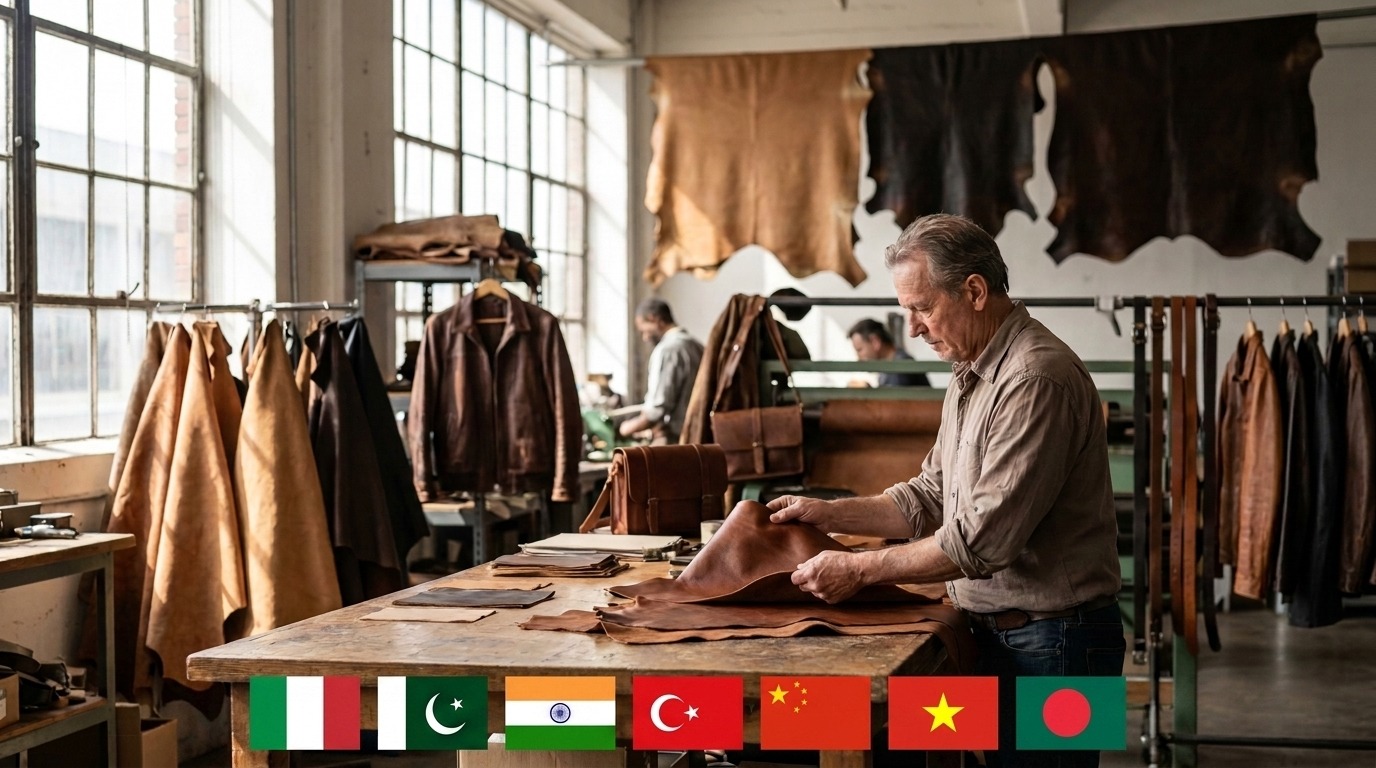
Leather is a natural material, so manufacturers can’t necessarily use every square foot of a hide.
Natural marks, holes, scars, uneven areas, variations in thickness, and other imperfections may prevent certain sections from being used, particularly when producing premium products that require large, clean panels. This means the effective material cost depends partly on cutting yield and wastage.
For example, a large jacket panel may require a cleaner section of hide than a small wallet component. A factory may therefore need more leather to produce a particular quantity of jackets, even if the combined finished panel area appears considerably smaller.
Material utilization should consequently be part of your discussion with manufacturers rather than comparing leather prices alone.
2. Product Design and Construction
The product you’re manufacturing has a direct impact on cost, but the complexity of its construction can matter just as much as the product category itself.
A simple cardholder requires relatively few components and production operations. A structured travel bag may require multiple leather panels, lining, reinforcement, pockets, handles, zippers, hardware, and several assembly stages.
The same principle applies to leather apparel.
A basic jacket and a highly detailed motorcycle jacket may use similar amounts of leather but require very different amounts of labor. Extra pockets, quilted panels, adjustable straps, complex seams, lining construction, and custom hardware all add to production operations.
This is why understanding how leather jackets are manufactured can be useful when evaluating a jacket quotation. You’re paying not only for the leather but also for the cutting, preparation, stitching, assembly, finishing, and inspection required to turn that material into the finished garment.
Design Details That Can Increase Manufacturing Cost
Common cost drivers include:
- Additional pockets
- Complex pattern pieces
- Multiple leather panels
- Decorative stitching
- Reinforced construction
- Linings
- Padding
- Hand-finished edges
- Adjustable straps
- Custom closures
- Embossing
- Detailed branding
Before removing these features to reduce costs, consider whether they serve a functional or commercial purpose. Simplifying a product can reduce production expenses, but removing features customers value can also reduce its perceived value.
3. Hardware, Linings, and Other Components
Leather may be the main material, but it’s rarely the only material in the finished product.
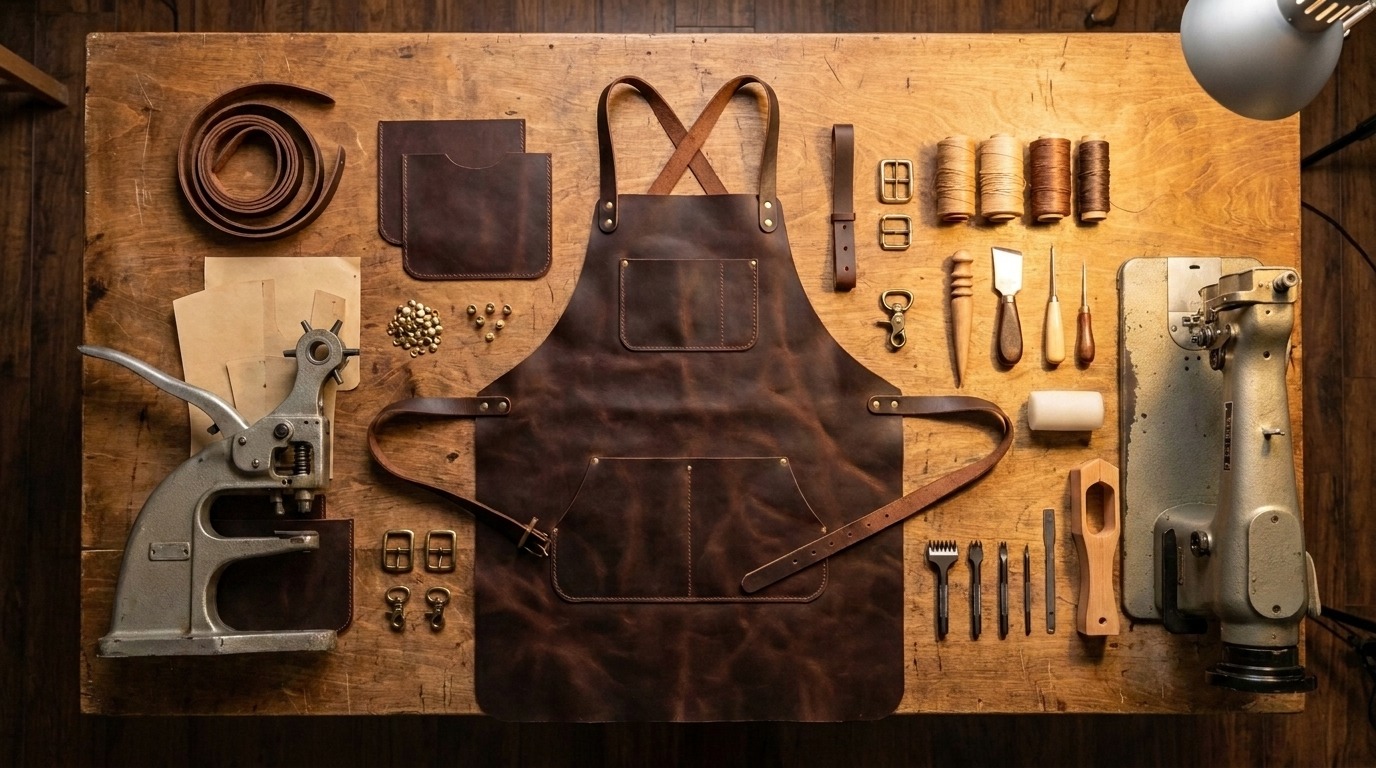
Depending on what you’re manufacturing, your product may also require:
- Zippers
- Buckles
- Rivets
- Snaps
- Buttons
- Thread
- Linings
- Foam or padding
- Magnets
- Metal feet
- Labels
- Branded hardware
The quality of these components can create substantial differences between quotations.
Consider two leather bags made from similar hides. One uses standard zippers and generic hardware, while the other uses premium zippers, solid brass fittings, custom logo hardware, reinforced lining, and higher-quality thread. The leather cost may be comparable, but the finished manufacturing cost won’t be.
When requesting quotes, specify the component quality you expect. Otherwise, two manufacturers may quote what appears to be the same product while calculating their prices using completely different materials.
4. Labor and Craftsmanship
Leather manufacturing involves a series of skilled operations rather than a single assembly step.
Depending on the product, production may involve:
- Pattern preparation
- Leather inspection
- Cutting
- Skiving
- Edge preparation
- Stitching
- Hardware installation
- Assembly
- Finishing
- Quality inspection
Every additional production operation requires time, equipment, or skilled labor.
A product involving extensive hand-finishing or complicated construction will therefore generally cost more to manufacture than a design optimized for efficient production.
Craftsmanship also matters. The cheapest labor quotation isn’t automatically the most economical choice if inconsistent stitching, inaccurate cutting, weak assembly, or poor finishing leads to rejected products.
When comparing factory prices, consider the quality you’re receiving for the labor cost rather than treating labor as an expense that should always be minimized.
5. Sampling and Product Development
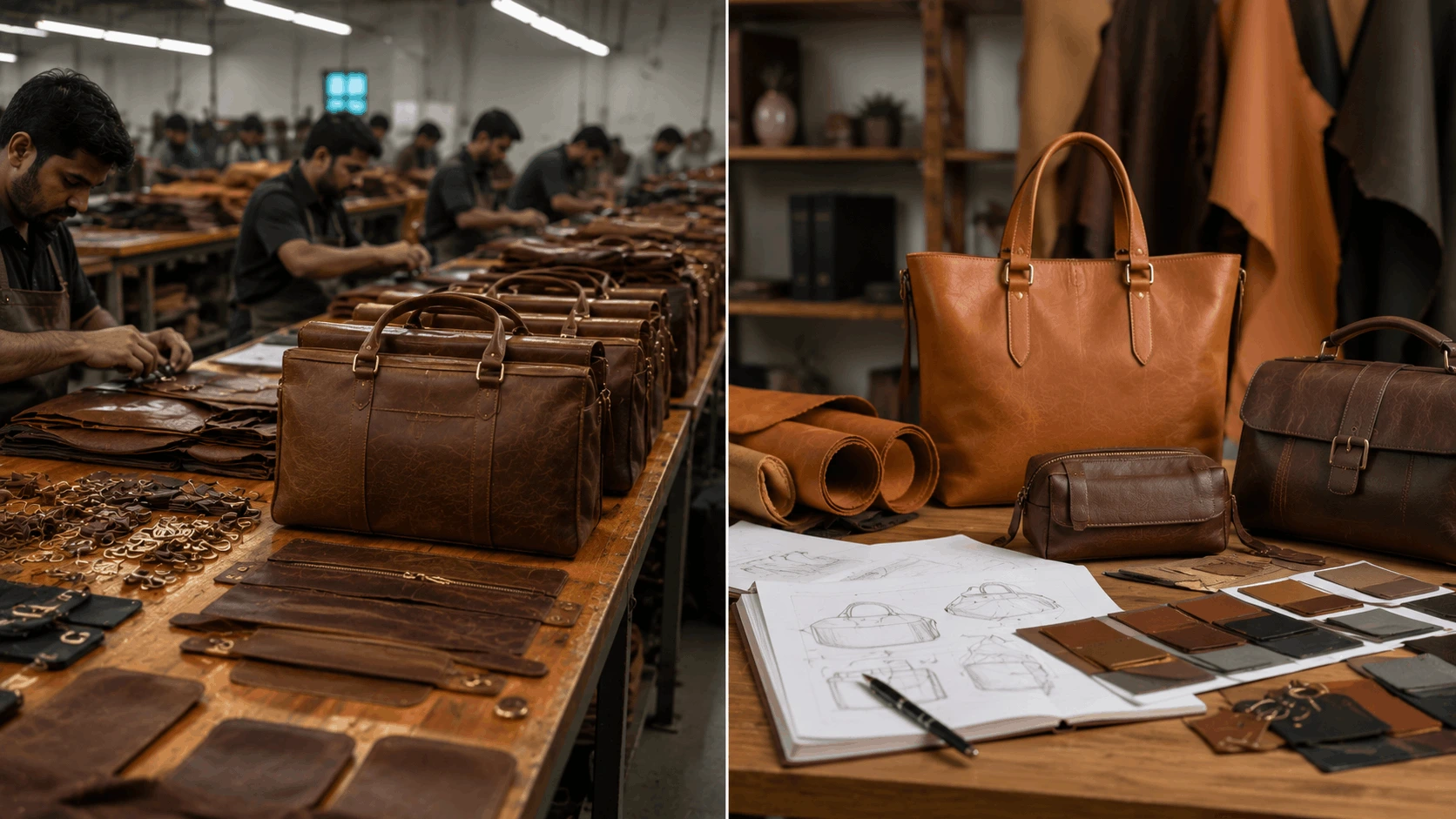
If you’re creating a custom leather product, production costs often begin before the first bulk unit is manufactured.
Product development may involve:
- Technical drawings
- Pattern development
- Prototype construction
- Material sourcing
- Hardware sourcing
- Logo development
- Sample production
- Sample revisions
- Size grading for apparel
- Custom molds or tooling
The more original and complex your product is, the more development work may be required.
A first sample may also cost considerably more per unit than the eventual bulk product. The manufacturer is producing a single item while absorbing pattern development, setup, material preparation, and skilled labor that will later be distributed across a larger production run.
You shouldn’t evaluate a bulk manufacturing opportunity based solely on the sample’s per-unit price.
Sampling is primarily a risk-control stage. It allows you to identify issues with dimensions, leather selection, hardware, construction, fit, and finishing before committing to hundreds or thousands of units.
6. How Order Quantity Affects Cost Per Unit
Order quantity can have a significant effect on leather manufacturing cost.
Manufacturers have fixed or semi-fixed expenses associated with setting up production. Pattern preparation, machinery setup, material procurement, cutting preparation, packaging setup, and quality-control procedures require resources, whether you’re producing 30 units or 3,000.
With larger production runs, these expenses can be distributed across more units.
The general relationship looks like this:
Prototype / Sample → Highest Cost per Unit
Small Batch → Higher Cost per Unit
Medium Production Run → Lower Cost per Unit
Large Production Run → Potentially Lower Cost per Unit
However, you shouldn’t increase your order simply to achieve a cheaper unit price.
If ordering 1,000 units saves a few dollars per product but you can realistically sell only 300, the additional inventory can tie up far more capital than you saved through manufacturing.
The right MOQ is therefore not necessarily the quantity that gives you the lowest factory price. It’s the quantity that provides a reasonable manufacturing cost while matching your expected demand, available capital, and inventory strategy.
7. How OEM and ODM Affect Leather Manufacturing Cost
The manufacturing model you choose can change both your upfront development costs and your final unit price.
With ODM manufacturing, you’re usually selecting an existing product developed by the manufacturer and making limited changes such as colors, materials, logos, labels, or packaging. Because the basic design, patterns, and production process already exist, less product development is usually required.
OEM manufacturing is different. You’re asking the factory to produce a product according to your specifications, which may require new patterns, prototypes, material sourcing, testing, and several rounds of sample revisions.
This means OEM can involve higher upfront development costs, particularly for complex or completely original products. However, it also gives you much greater control over the final design.
The ODM vs OEM decision should therefore be based on how much product differentiation your business needs rather than manufacturing cost alone.
8. Does the Manufacturing Country Affect Cost?
Yes, but comparing countries purely on labor rates can be misleading.
Leather manufacturing costs vary between countries because of differences in labor, raw-material availability, factory infrastructure, energy costs, production scale, specialization, and export requirements.
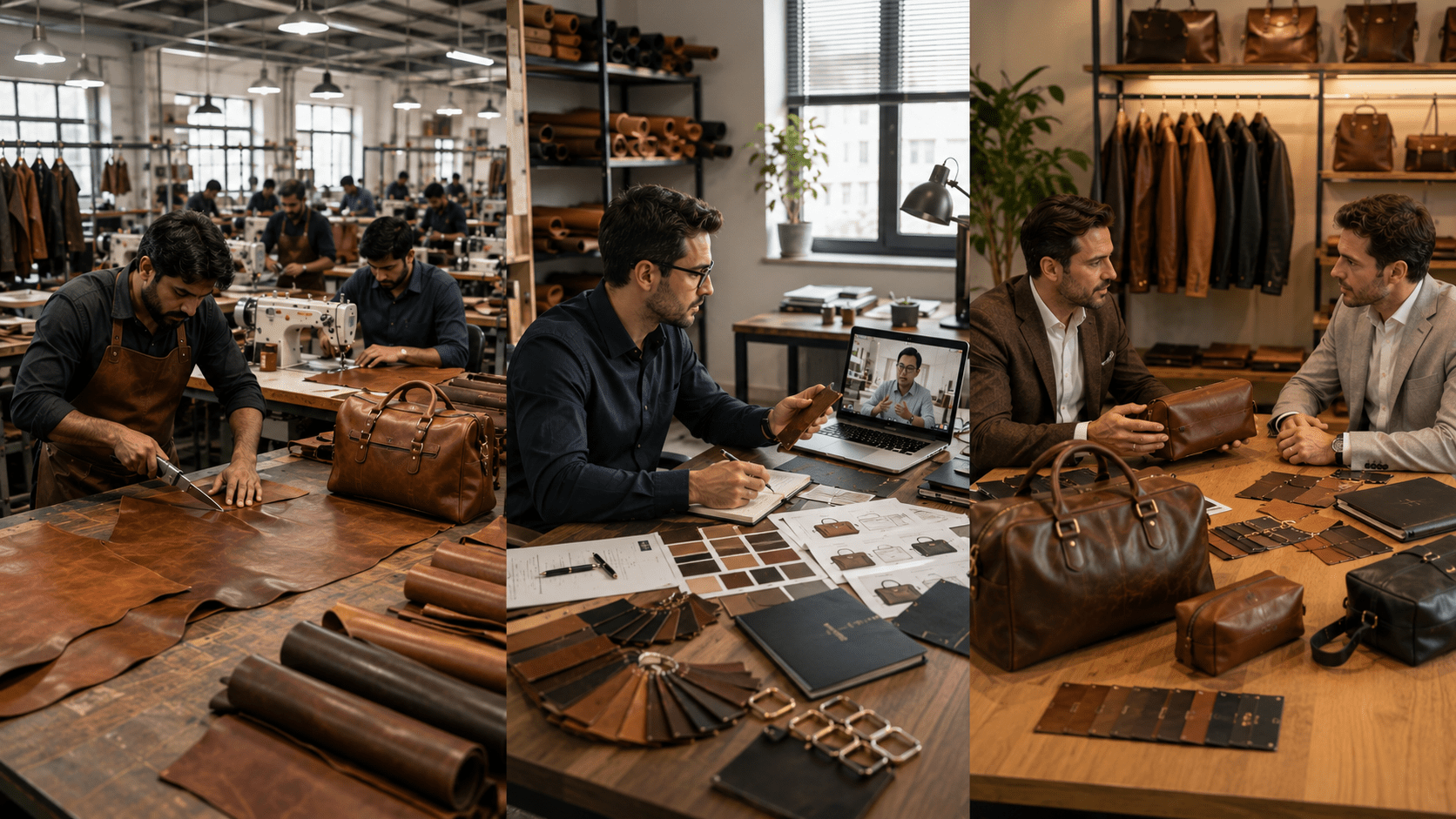
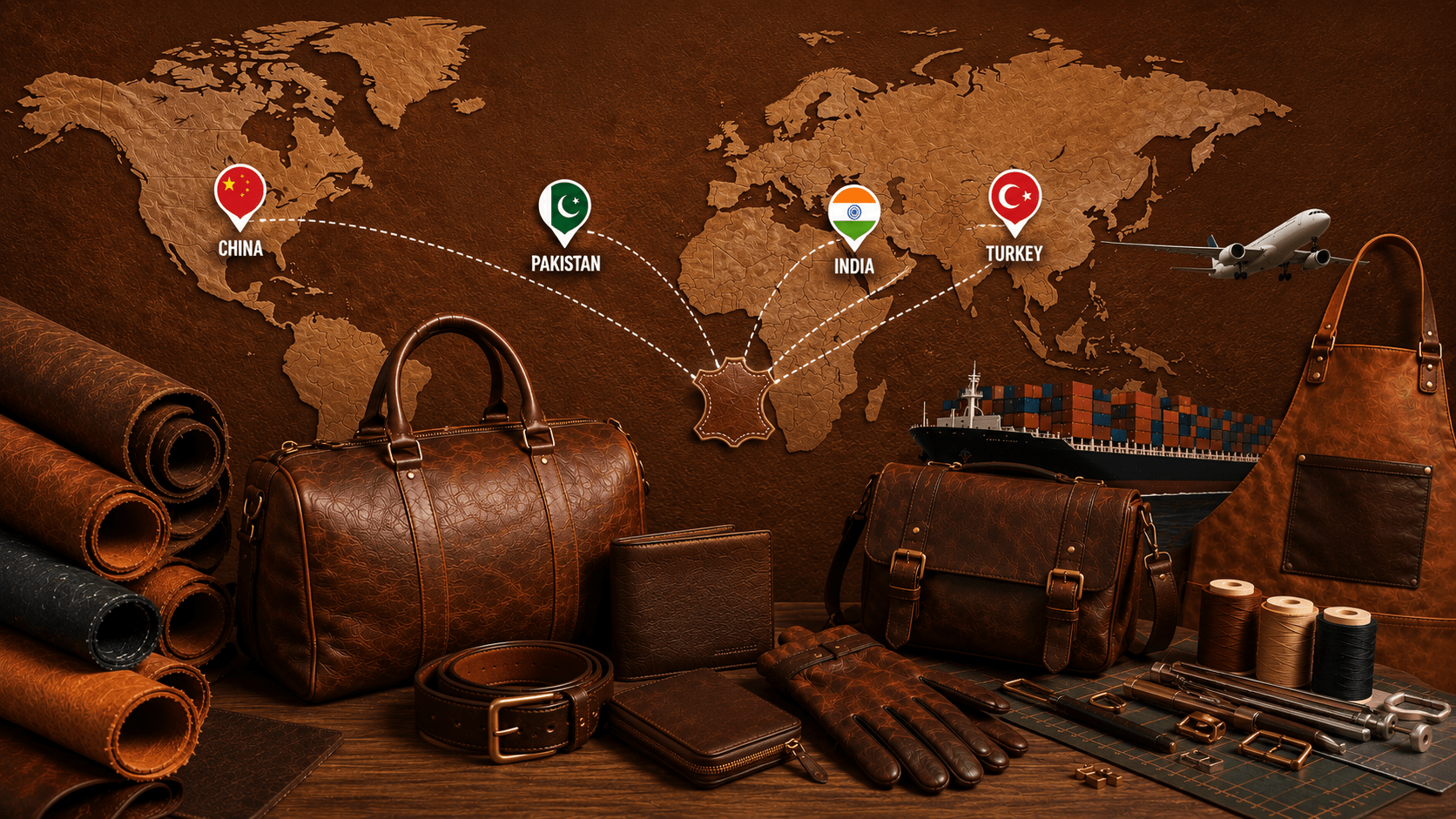
China, Pakistan, India, and Turkey all have established leather manufacturing industries, but their strengths aren’t identical.
China offers a large manufacturing ecosystem and extensive production capacity across many product categories. Pakistan has strong capabilities in leather garments, gloves, bags, sports goods, and custom leather manufacturing. India has extensive production across footwear, bags, accessories, and leather goods, while Turkey is particularly relevant for premium fashion and leather garment manufacturing.
Your product specifications still matter more than the country name alone. A highly specialized factory using premium leather and components can quote considerably more than another manufacturer in the same country.
When comparing destinations, your leather sourcing decision should therefore consider product specialization, quality, MOQ, lead time, and manufacturing capability alongside price.
9. Costs Buyers Often Forget
The factory quotation isn’t necessarily the total amount you’ll spend getting a product ready for sale.
Several additional expenses can appear before, during, and after production.
Sampling and Development
Custom products may require multiple prototypes before they’re approved for bulk manufacturing.
Budget for revisions rather than assuming the first sample will be production-ready.
Tooling
Custom metal hardware, molds, embossing dies, cutting dies, or specialized equipment may involve one-time setup charges.
These costs become easier to absorb across larger production volumes.
Material Wastage
Leather is a natural material, so some wastage is unavoidable. Cutting around scars, holes, inconsistent sections, and unsuitable areas affects usable yield.
More demanding quality specifications can increase wastage because the factory has fewer acceptable areas of each hide to work with.
Quality Control
Inspection shouldn’t be treated as an optional expense.
Manufacturers may perform internal QC, while larger buyers may also arrange independent pre-shipment inspections. Identifying common leather defects before goods leave the factory is generally much less costly than dealing with defective inventory after delivery.
Packaging
Packaging costs can include:
- Dust bags
- Boxes
- Tissue paper
- Hang tags
- Branded packaging
- Protective materials
- Shipping cartons
Premium retail packaging can add more to the unit cost than buyers initially expect.
Freight and Insurance
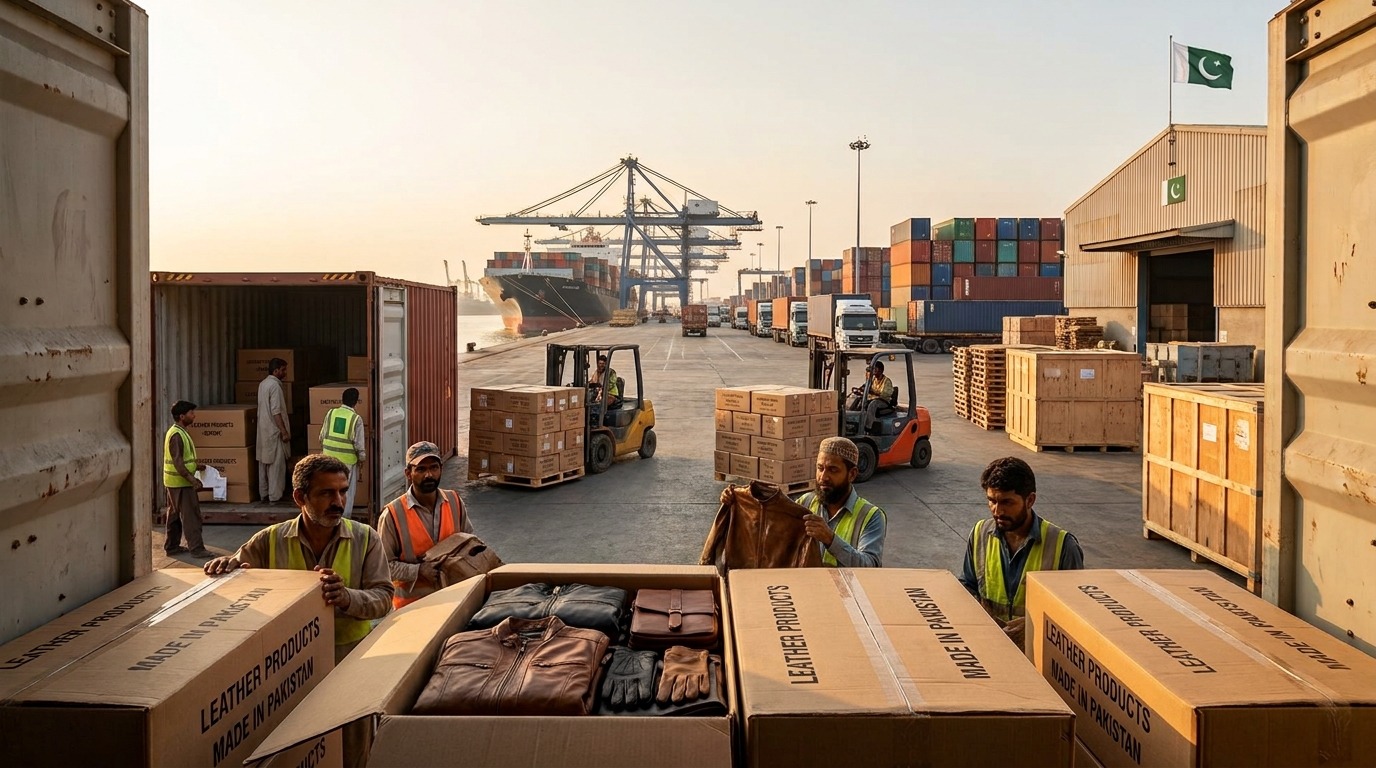
International transportation varies according to shipment size, weight, destination, shipping method, and current freight conditions.
Air freight is generally faster but more expensive, while sea freight is usually more economical for larger shipments.
Import Duties and Taxes
Depending on your destination country and product classification, you may also need to account for customs duties, taxes, brokerage fees, and other import charges.
This leads to an important distinction:
Factory Cost ≠ Landed Cost ≠ Retail Price
Your factory cost tells you what the manufacturing costs. Your landed cost tells you what it costs to get the product into your inventory. Your retail price must additionally account for your operating expenses, marketing, fulfillment, returns, and desired margin.
10. How to Calculate the Real Cost of a Leather Product
Instead of asking, “How much should a leather bag cost to manufacture?” start by breaking the product into measurable cost components.
A simplified manufacturing calculation looks like this:
Leather + Components + Direct Labor + Development + Factory Overhead + QC + Packaging = Manufacturing Cost
Then calculate your landed cost:
Manufacturing Cost + Freight + Insurance + Duties + Taxes + Destination Charges = Landed Cost
For example, don’t compare Supplier A’s factory quotation with Supplier B’s delivered quotation and conclude that one is cheaper. First, determine exactly what each price includes.
The same principle applies when comparing product specifications. A $1 difference isn’t meaningful if one quotation uses better leather, stronger hardware, improved lining, or additional quality control.
Your goal should be to compare like for like.
11. How to Reduce Leather Manufacturing Cost Without Lowering Quality
Reducing manufacturing costs doesn’t have to mean switching to cheaper leather or accepting poorer workmanship.
In many cases, better product planning can reduce costs without noticeably affecting the finished product.
Simplify Unnecessary Design Details
Review every feature and ask whether it adds functional or commercial value.
An unnecessary pocket, decorative panel, custom fitting, or complicated seam may add material and labor without meaningfully improving the product.
Remove complexity that your customer won’t value, but don’t eliminate features that contribute to durability or functionality.
Improve Material Utilization
Efficient pattern placement can reduce leather wastage.
This is particularly important with larger products where poor cutting efficiency can substantially increase material consumption.
Standardize Hardware
Using the same buckles, zippers, snaps, or other components across several products can simplify purchasing and potentially improve component pricing.
Custom hardware should be used where it adds genuine brand or product value.
Finalize Specifications Before Sampling
Constantly changing dimensions, materials, hardware, or construction after samples have been produced creates additional development work.
Clear specifications at the beginning can reduce unnecessary sample rounds and shorten the development process.
Choose the Right MOQ
Larger orders can lower unit costs, but only increase production quantities when the additional inventory makes commercial sense.
Your lowest unit price isn’t necessarily your lowest business cost.
12. How to Get an Accurate Quote from a Leather Manufacturer
A manufacturer can’t provide an accurate quotation from a message that simply says:
“How much for 500 leather bags?”
The factory needs to know exactly what it’s being asked to produce.
For a useful quotation, provide:
- Product reference or technical drawing
- Dimensions
- Leather type and grade
- Leather thickness
- Color
- Lining
- Hardware specifications
- Stitching requirements
- Branding method
- Packaging
- Order quantity
- Destination country
You should also specify whether you need an existing design, modifications to an existing product, or completely custom development.
Once your requirements are clear, compare quotations from several qualified leather suppliers using the same specifications. This makes price differences much easier to understand and prevents you from selecting a cheaper quotation that actually represents a lower-specification product.
Businesses sourcing through Tannorium can connect with leather manufacturers across different product categories and submit their production requirements directly. This is particularly useful when you want to compare manufacturing options without limiting your search to a single factory or product category.
For larger or customized orders, B2B leather sourcing can also be used to communicate specific requirements, such as product type, leather grade, quantity, customization, packaging, and destination, before manufacturers respond with suitable production options
Final Thoughts
There is no universal leather manufacturing cost that applies to every jacket, bag, glove, wallet, or accessory. The final price is determined by the leather you choose, product construction, components, labor, development requirements, order quantity, factory capabilities, and additional services.
Instead of looking for the lowest possible unit price, focus on understanding what you’re receiving for the amount quoted. A slightly higher manufacturing cost can make commercial sense when it delivers better materials, more consistent workmanship, fewer defects, and a product your customers are willing to pay more for.
The most useful factory quotation isn’t necessarily the cheapest one. It’s the quotation that accurately reflects your specifications and gives you enough information to calculate whether the product works financially for your business.
FAQs
What is the average leather manufacturing cost?
There isn’t a reliable universal average because manufacturing costs vary by product, leather grade, design complexity, quantity, components, labor, and manufacturing location. Product-specific quotations are more useful than broad averages.
What is usually the highest cost when manufacturing leather products?
Leather can represent a major portion of the material cost, particularly when premium hides are used. However, complex products can also have substantial labor, hardware, lining, development, and finishing costs.
Does full-grain leather cost more to manufacture?
Full-grain leather products can cost more when higher-quality hides are required, particularly if the design requires large, clean panels. The final difference depends on hide quality, cutting yield, product design, and supplier pricing.
Does ordering more products reduce manufacturing cost?
Larger production runs can reduce the cost per unit because development, setup, procurement, and other expenses are spread across more products. However, ordering excess inventory simply to obtain a lower unit price can increase your overall business risk.
Is OEM more expensive than ODM?
OEM can involve higher upfront costs because custom products may require new patterns, prototypes, material sourcing, tooling, and revisions. ODM usually begins with an existing manufacturer-developed design, which can reduce development requirements.
How can I get an accurate leather manufacturing quote?
Provide manufacturers with detailed product specifications, including dimensions, leather type, thickness, hardware, lining, branding, packaging, quantity, and destination. Request quotations using identical specifications so you can compare suppliers accurately.