Finding the right leather suppliers is one of the most important decisions you’ll make when sourcing leather products for your business. Whether you’re launching a new brand, expanding your product line, or replacing an existing supplier, the company you choose will directly influence product quality, production timelines, customer satisfaction, and long-term profitability.
The challenge isn’t finding suppliers, it’s finding suppliers you can trust. Many businesses offer similar promises of premium materials, competitive pricing, and worldwide shipping, but not every supplier has the experience, manufacturing capabilities, or quality standards needed to support your business. Choosing the wrong partner can result in inconsistent products, delayed deliveries, communication issues, and unnecessary costs.
This guide explains how to find reliable leather suppliers, where to search, how to compare different supplier types, what questions to ask before requesting quotations, and the practical steps you can take to build long-term sourcing relationships with confidence.
Who Are Leather Suppliers?
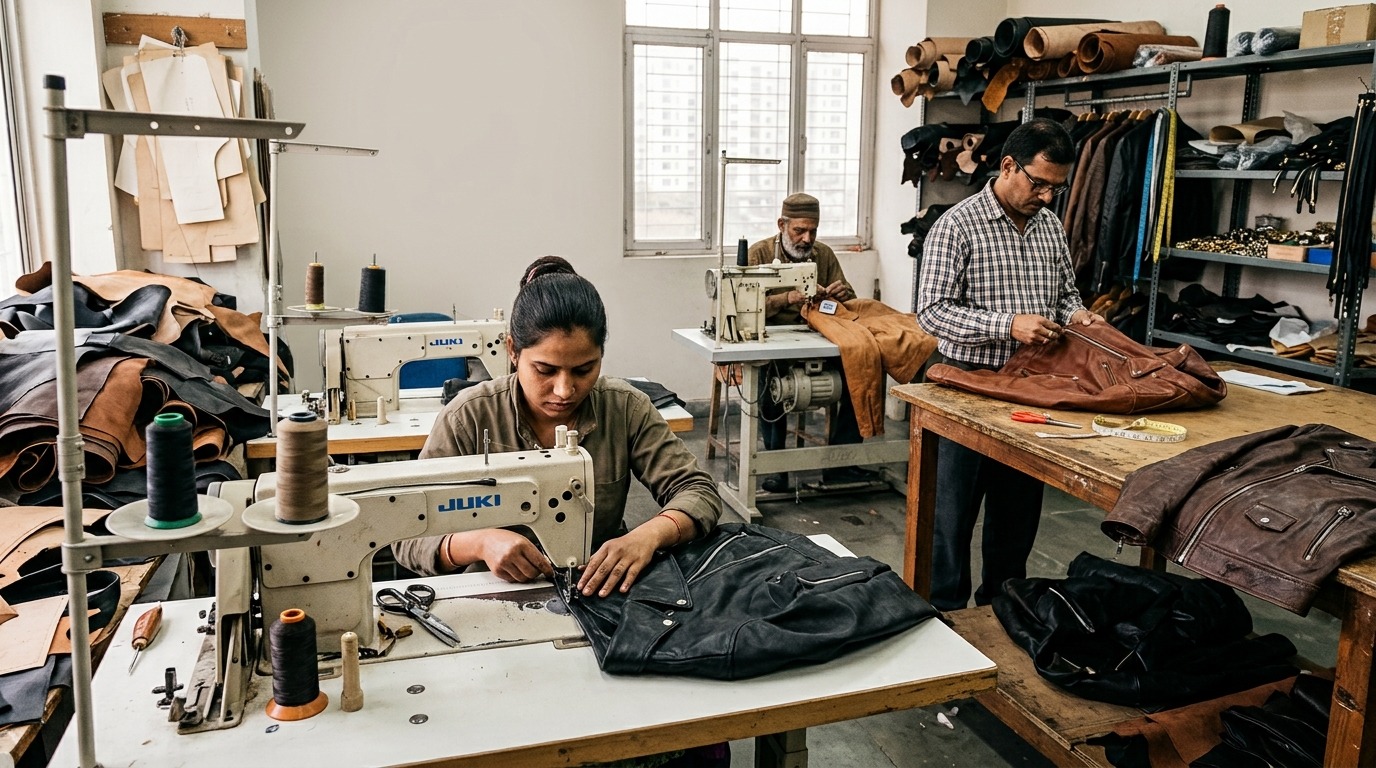
Before you begin your search, it’s important to understand that leather suppliers can operate in different ways. Some manufacture products themselves, while others source products from factories or distribute finished goods to retailers.
Understanding these differences will help you choose the right supplier for your business instead of simply selecting the lowest quotation.
Manufacturers
Manufacturers produce leather products in their own factories and usually offer the greatest level of customization. If you’re planning to create your own designs, add private branding, or develop custom products, working directly with a manufacturer is often the best option.
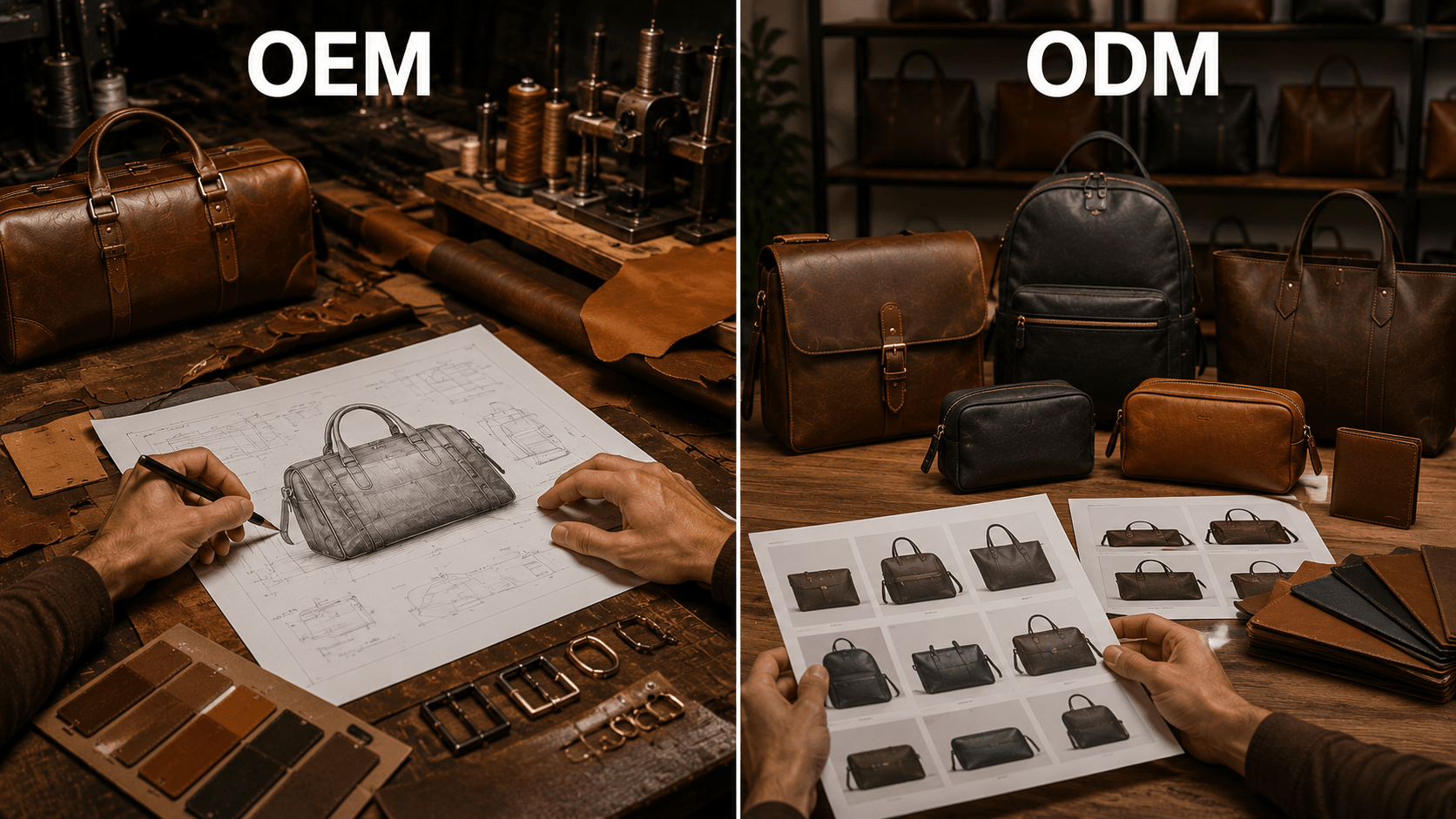
Before approaching manufacturers, it’s worth understanding the differences between OEM vs ODM and OEM vs Private Label Leather Manufacturing, as each production model offers different levels of customization and design ownership.
Wholesalers
Wholesalers purchase products from manufacturers and sell them in bulk to retailers and businesses.
They’re a practical choice if you’re looking for ready-made products with lower development costs. However, customization options are generally more limited than working directly with a manufacturer.
Exporters
Exporters specialize in supplying leather products to international buyers.
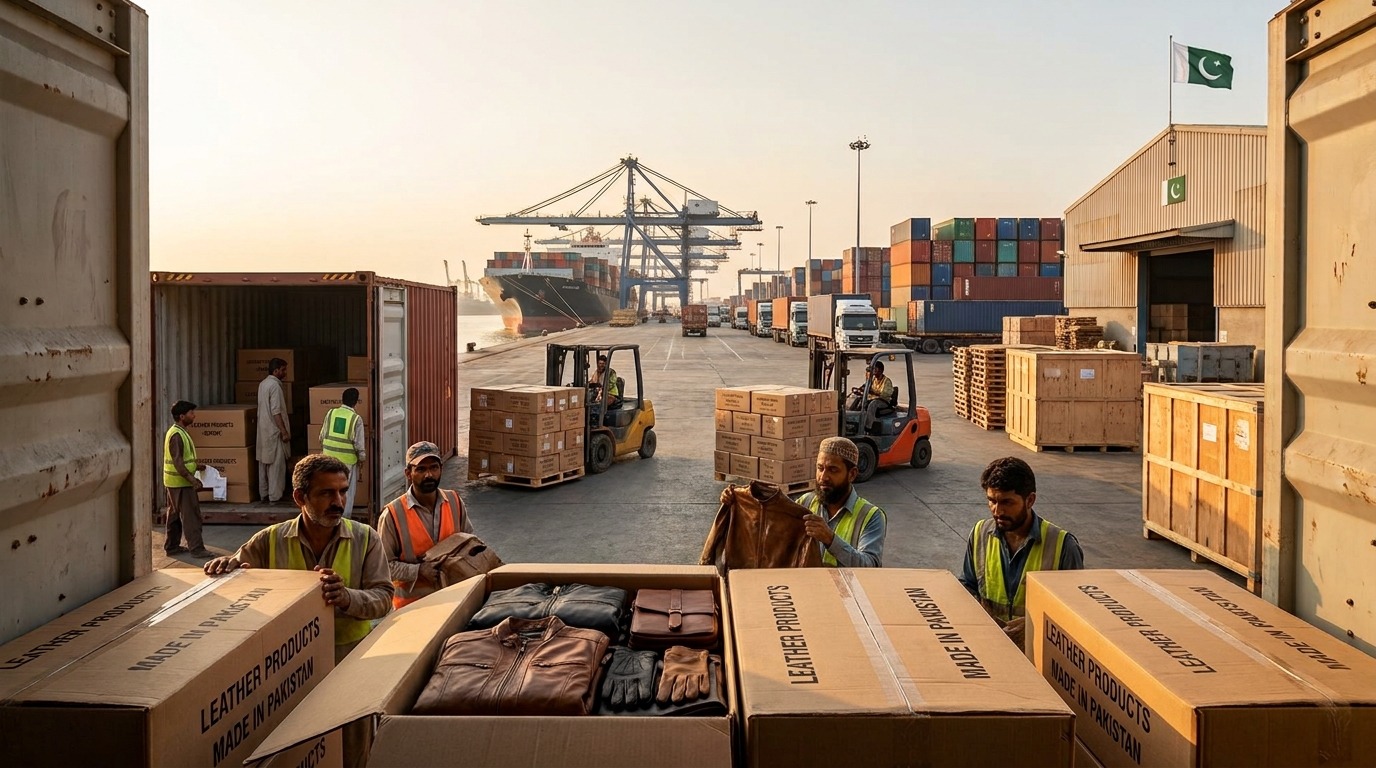
Many manufacturers also export their own products, making it easier to purchase directly from the factory while simplifying documentation and international shipping.
Trading Companies
Trading companies work with multiple factories to source products based on a buyer’s requirements.
This can be helpful if you’re sourcing different product categories, although it’s important to understand whether the company owns production facilities or acts as an intermediary between buyers and manufacturers.
Leather Marketplaces
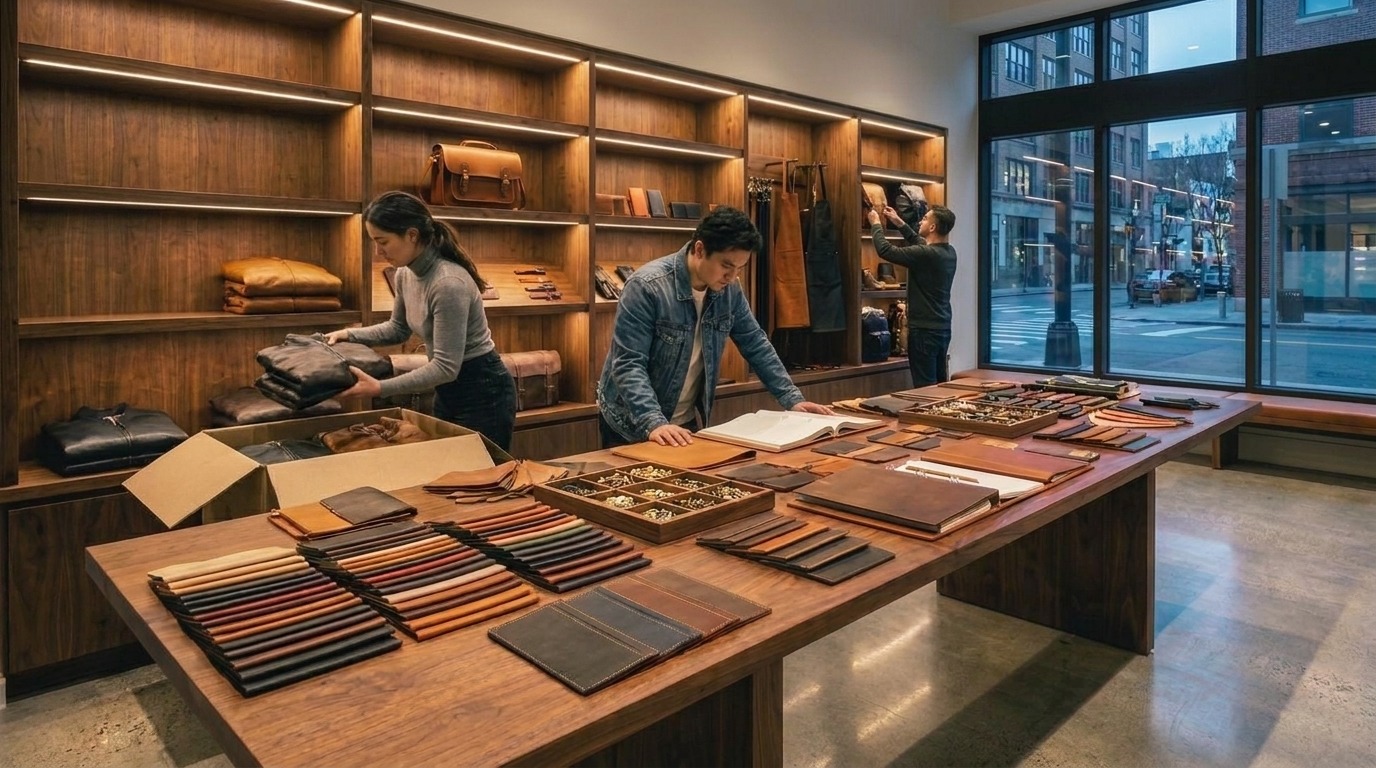
Dedicated leather marketplaces bring together manufacturers, exporters, wholesalers, and buyers on a single platform.
Instead of contacting individual companies one by one, buyers can compare suppliers, product categories, manufacturing capabilities, and sourcing options more efficiently. If you’re evaluating multiple suppliers across different countries, using a dedicated leather marketplace can significantly reduce the time required to identify suitable business partners.
Step 1: Know What You’re Looking For Before Contacting Suppliers
One of the biggest mistakes buyers make is requesting quotations before clearly defining their requirements.
The more information you can provide, the easier it becomes for suppliers to recommend suitable materials, estimate production costs, calculate lead times, and prepare accurate quotations. It also allows you to compare suppliers based on the same specifications rather than completely different proposals.
Before contacting any supplier, consider the following.
Decide Which Products You Want to Source
Not every supplier manufactures every type of leather product.
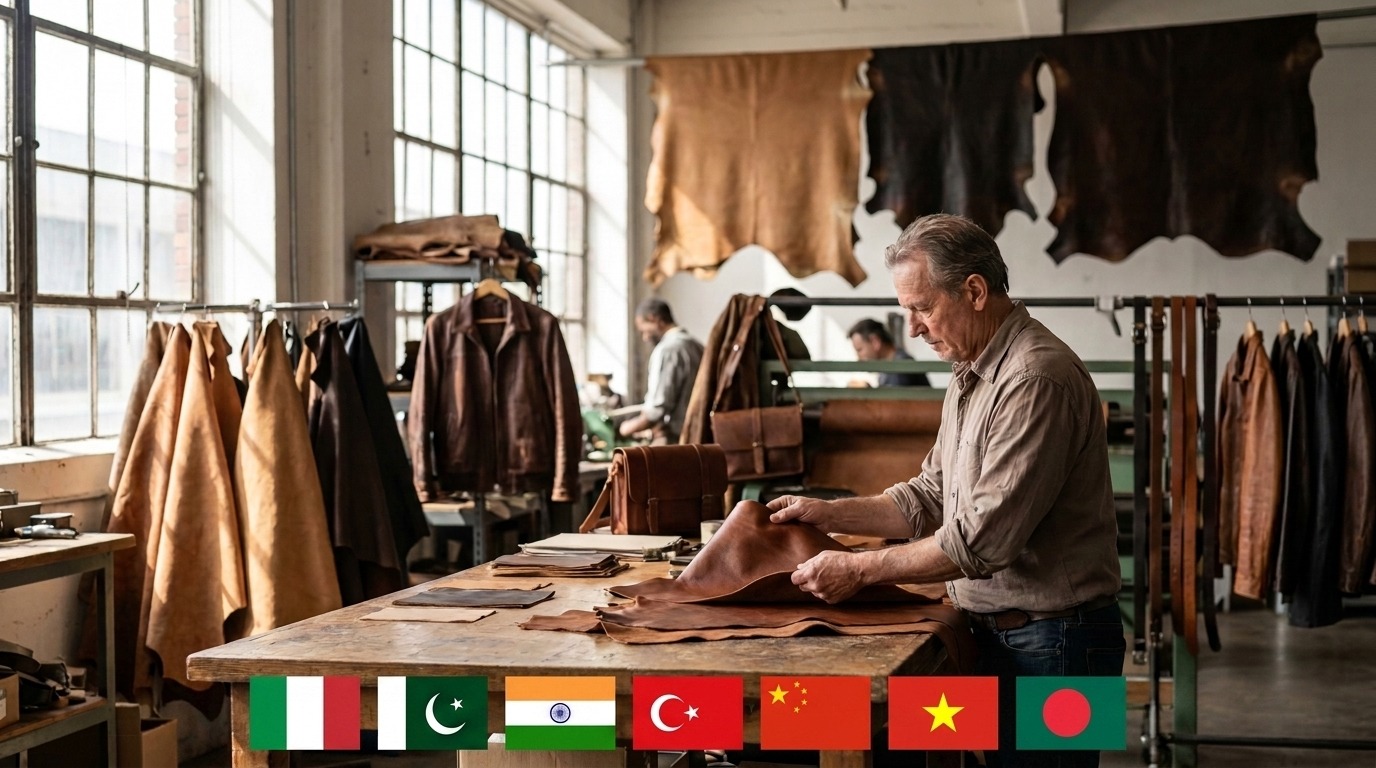
Some factories specialize in leather jackets, while others focus on bags, wallets, gloves, work aprons, or travel goods. Choosing a supplier with experience in your specific product category often results in better craftsmanship, more efficient production, and fewer quality issues.
If you’re sourcing handbags or travel goods, understanding how leather bags are made will help you evaluate stitching, construction methods, and material quality when reviewing product samples.
Understand the Leather You’re Buying
Not all leather is the same, and understanding the material you’re purchasing can help you make better sourcing decisions. Two suppliers may offer similar products, but the leather they use can vary significantly in quality, durability, appearance, and price.
Before requesting samples or quotations, ask suppliers about the type of leather they use. Whether it’s full-grain, top-grain, or genuine leather, each material offers different characteristics and is suited to different products and price points. Understanding these differences will help you compare quotations more accurately and avoid paying premium prices for lower-quality materials.
It’s also worth discussing the leather’s thickness, finish, and tanning method, as these factors influence how the finished product looks, feels, and performs over time. Asking informed questions not only helps you evaluate product quality but also demonstrates that you understand the materials being used.
Decide Whether You Need Custom or Ready-Made Products
Before requesting quotations, decide how much customization your business actually needs.
Ask yourself:
- Do you need your own logo?
- Will you customize the leather, hardware, or colors?
- Do you require exclusive product designs?
- Are ready-made products sufficient for your business?
Answering these questions early helps suppliers recommend the most suitable manufacturing solution and reduces unnecessary revisions later in the sourcing process.
Determine Your Budget and MOQ
Your budget should be based on value rather than price alone.
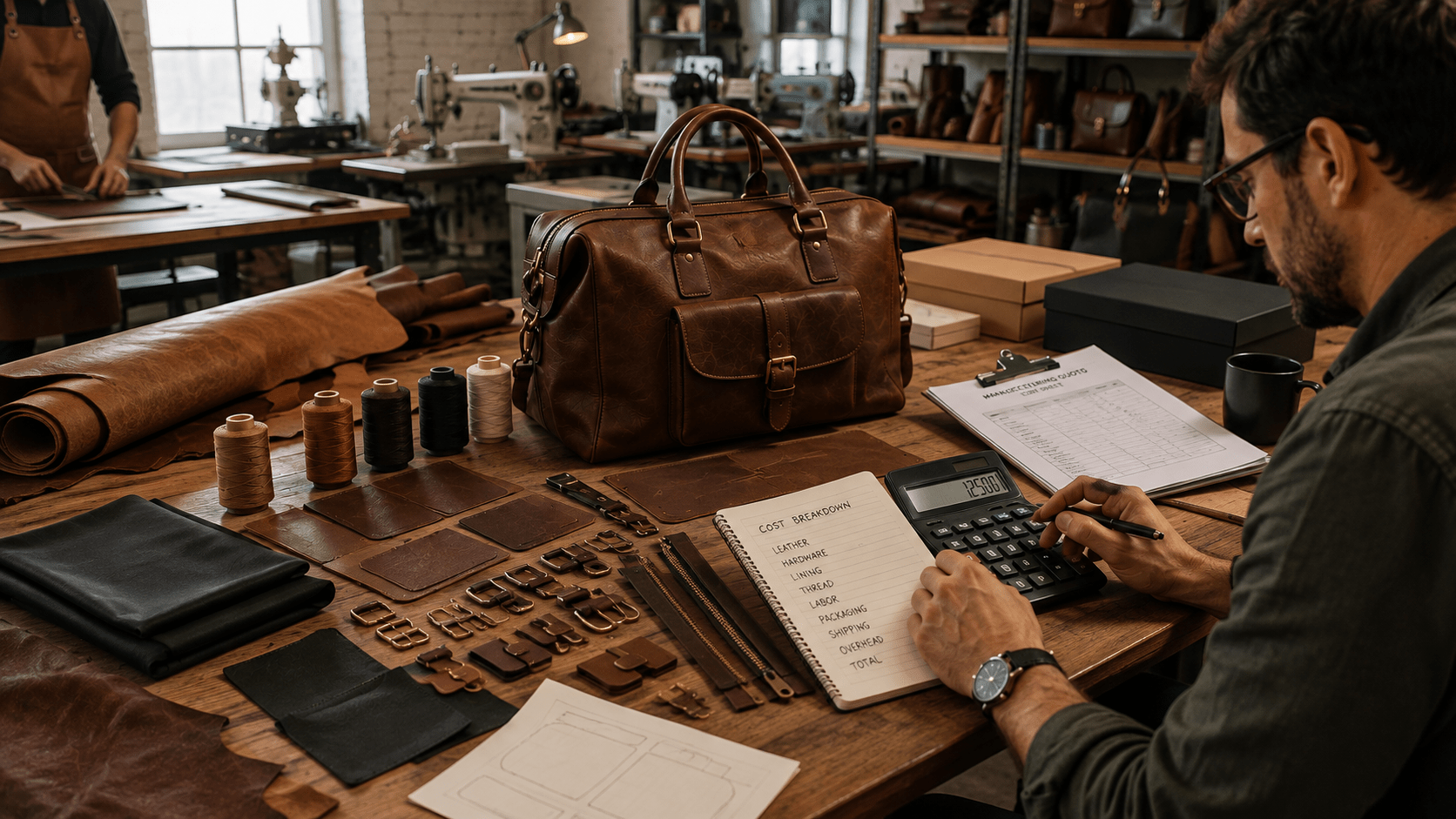
A lower quotation may reflect lower-grade leather, fewer quality inspections, or limited customization options. Instead of selecting the cheapest supplier, compare the overall value each business offers, including material quality, communication, production capability, and consistency.
You should also determine your expected Minimum Order Quantity (MOQ). Some suppliers specialize in small production runs for new brands, while others only accept large wholesale orders.
Prepare Clear Product Specifications
Providing detailed product information allows suppliers to prepare more accurate quotations and reduces misunderstandings during production.
Include information such as:
- Product category
- Leather preference
- Dimensions
- Color requirements
- Hardware
- Branding
- Packaging
- Order quantity
- Shipping destination
A clear specification sheet also makes it much easier to compare quotations from multiple suppliers because everyone is pricing the same product requirements.
Step 2: Where Can You Find Reliable Leather Suppliers?
Once you’ve defined your product requirements, the next step is finding suppliers that match your quality standards, budget, and business goals. There are several ways to find leather suppliers, but not every sourcing channel offers the same level of reliability or transparency.
The best option depends on what you’re sourcing, how much customization you need, and whether you’re looking for a long-term manufacturing partner or ready-made products.
Search Online
A simple online search is often the easiest place to begin.
Many manufacturers and suppliers have professional websites where you can browse product catalogs, learn about their manufacturing capabilities, and submit inquiries directly. Company websites can also provide useful information about certifications, years of experience, export markets, and the types of leather products they specialize in.
While online searches can uncover many potential suppliers, they also require careful research. Some companies are manufacturers, while others are trading companies or resellers, so it’s important to understand who you’re actually dealing with before requesting quotations.
Visit Trade Shows
Trade shows remain one of the best ways to meet leather suppliers in person.
Industry exhibitions allow you to compare products, inspect leather quality, discuss manufacturing capabilities, and build relationships with suppliers face-to-face. They also make it easier to compare multiple manufacturers during a single visit.
Although attending trade shows requires travel and additional costs, they can be a worthwhile investment if you’re planning large orders or looking for long-term manufacturing partners.
Use B2B Marketplaces
General B2B marketplaces make it easy to compare suppliers from different countries and request quotations from multiple companies at once.
These platforms usually include supplier profiles, product listings, certifications, response rates, and customer reviews, helping buyers create an initial shortlist more quickly.
However, because these marketplaces cover almost every industry, you’ll still need to spend time identifying suppliers that genuinely specialize in leather products.
Explore Industry-Specific Platforms
If you’re sourcing leather products exclusively, industry-specific platforms can save considerable time.
Unlike general marketplaces, a dedicated leather marketplace focuses entirely on leather manufacturers, suppliers, exporters, and wholesalers. This allows buyers to compare businesses with relevant product expertise instead of sorting through suppliers from unrelated industries.
For businesses sourcing leather jackets, bags, wallets, belts, gloves, or other leather goods, this focused approach often makes supplier discovery much more efficient.
Step 3: How to Compare Leather Suppliers
Finding suppliers is only the first step. The more important task is determining which supplier is the best fit for your business.
Instead of comparing quotations alone, evaluate suppliers using several key factors.
Product Expertise
Choose suppliers with proven experience in manufacturing the products you intend to sell.
A company that specializes in leather bags may not produce leather jackets or gloves to the same standard. Reviewing previous work and asking about similar projects helps you understand where their expertise lies.
Manufacturing Experience
Suppliers with years of manufacturing experience often have more refined production processes, better quality control, and a stronger understanding of international buyer expectations.
Experience doesn’t guarantee quality, but it can be a useful indicator of stability and consistency.
Communication
Good communication is often overlooked during supplier selection.
Reliable suppliers answer questions clearly, respond promptly, and are transparent about pricing, production schedules, and potential challenges. Strong communication during the quotation stage usually leads to a smoother production process later.
Production Capacity
Make sure the supplier can comfortably handle your order volume.
Some factories specialize in small production runs for new brands, while others are designed for high-volume manufacturing. Choosing a supplier whose production capacity matches your business helps prevent unnecessary delays.
Quality Control
Ask suppliers how they inspect products before shipment.
A structured quality control process demonstrates that the supplier takes consistency seriously. Reviewing common leather defects can also help you evaluate product samples and ask more informed questions during the sourcing process.
Step 4: Verify Suppliers Before Placing an Order
Even if a supplier looks professional online, never assume they’re the right partner without verification.
Before placing your first order, take time to confirm their capabilities and business credentials.
Your verification process should include:
- Requesting product samples
- Reviewing factory photos and production videos
- Confirming business registration
- Discussing production capacity
- Asking about quality control procedures
- Checking export experience
- Requesting references if available
Knowing how to verify a leather manufacturer before placing an order can significantly reduce sourcing risks and help you avoid costly mistakes.
Questions to Ask Leather Suppliers
The answers suppliers provide often reveal how experienced and transparent they are.
Before requesting a quotation, consider asking:
- Which products do you specialize in?
- What leather materials do you commonly use?
- What is your minimum order quantity (MOQ)?
- Can you manufacture custom products?
- What are your typical production lead times?
- Which countries do you export to?
- How do you inspect product quality before shipment?
- Can you provide product samples before bulk production?
Common Mistakes to Avoid
Many buyers focus almost entirely on price, but this often leads to problems later.
Avoid these common mistakes:
- Choosing the lowest quotation without comparing quality.
- Ordering in bulk before reviewing samples.
- Ignoring communication issues during negotiations.
- Not confirming production timelines.
- Failing to verify whether the supplier is a manufacturer or intermediary.
- Comparing quotations based on different product specifications.
Taking extra time during supplier selection usually prevents much larger problems after production begins.
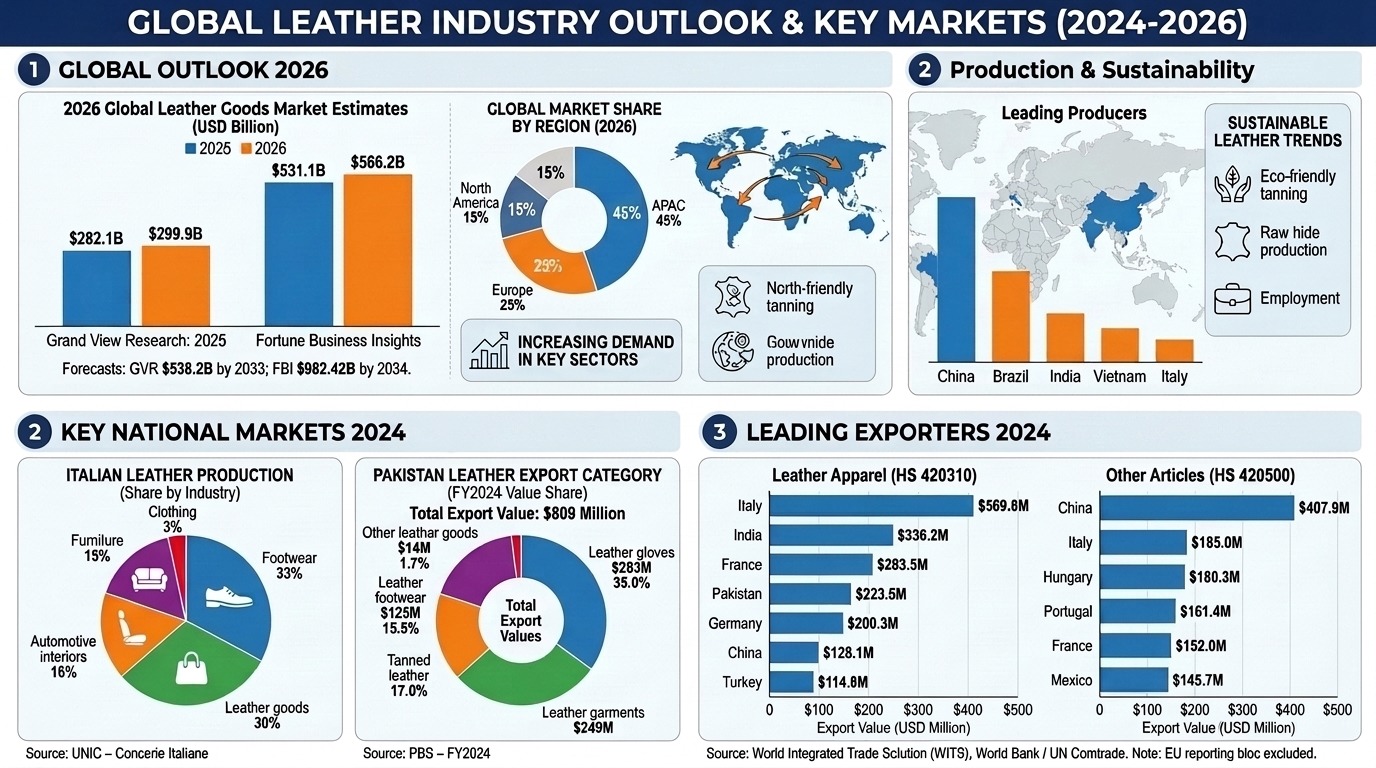
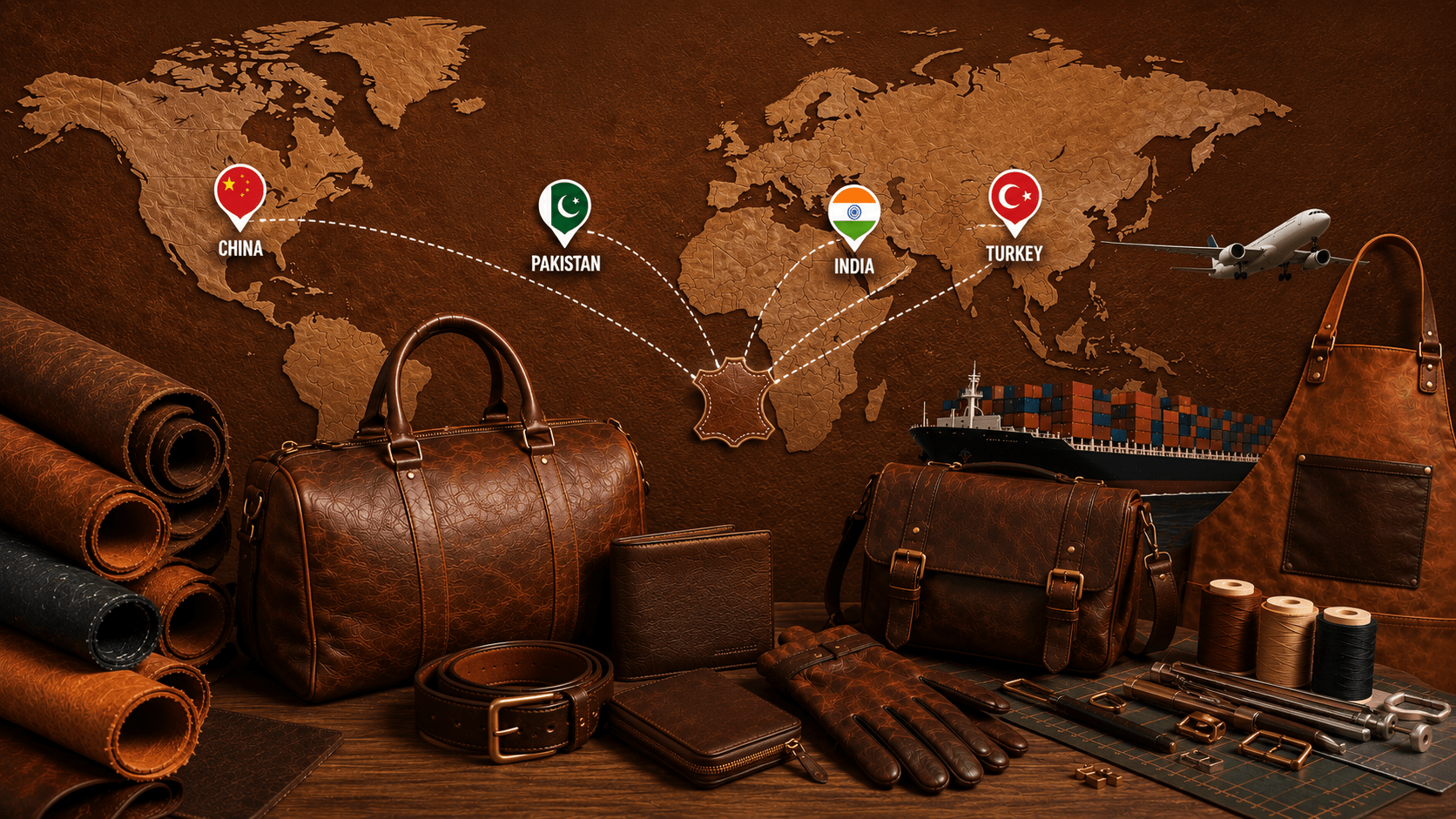
Which Countries Have the Best Leather Suppliers?
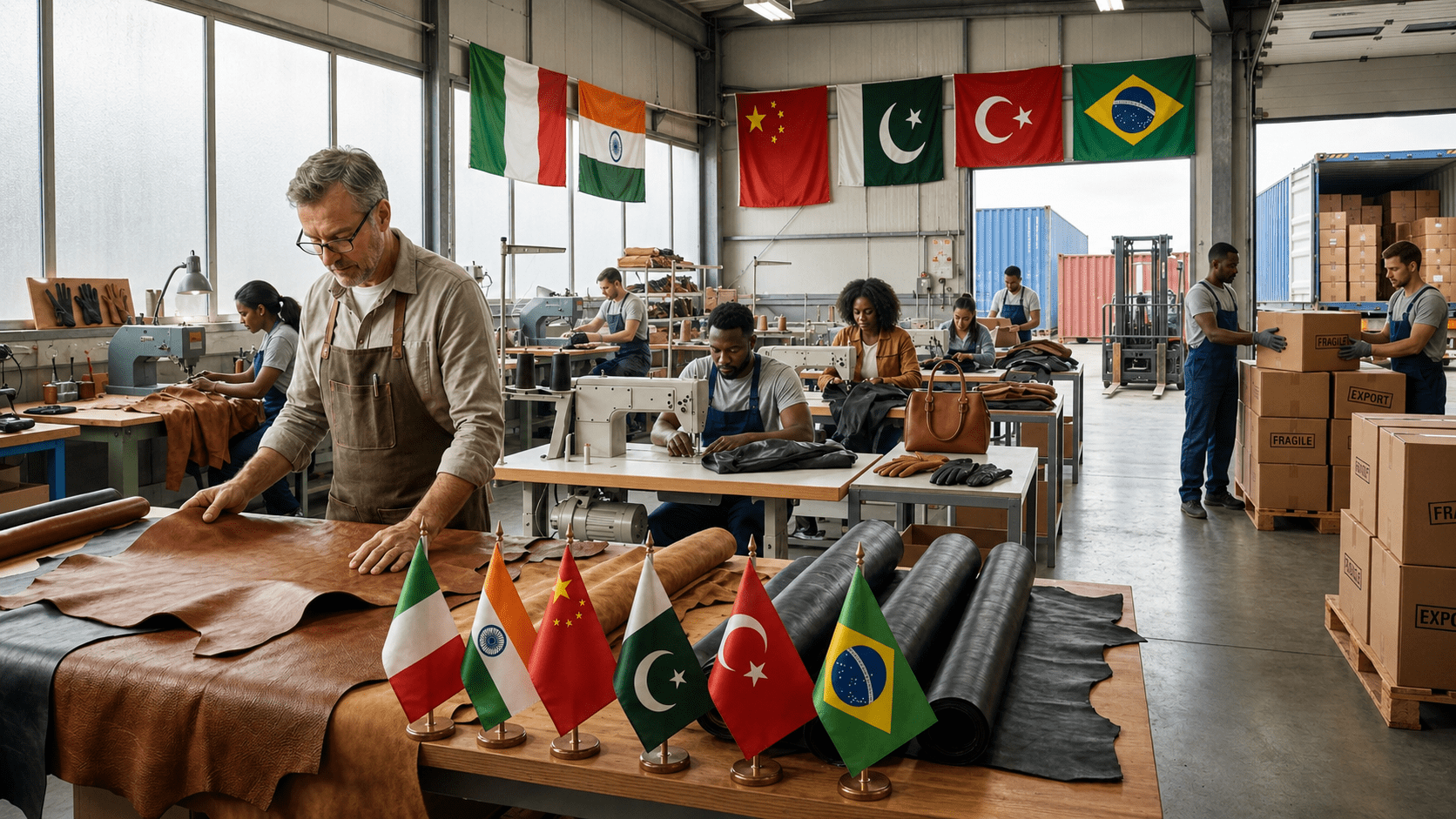
Several countries have built strong reputations within the leather industry, each offering different advantages depending on the products you want to source.
- China is known for large-scale manufacturing, extensive customization options, and competitive pricing.
- Pakistan has earned a reputation for producing high-quality leather apparel, gloves, bags, and handcrafted leather goods. Many international buyers work with reliable leather manufacturers in Pakistan because of the country’s skilled craftsmanship and export experience.
- India offers a diverse leather industry with strengths in footwear, bags, accessories, and fashion products.
- Turkey is recognized for premium leather garments, luxury craftsmanship, and shorter shipping times to European markets.
If you’re comparing manufacturing destinations in more detail, understanding leather sourcing strategies can help you choose the country that best aligns with your products, budget, and long-term business goals.
Final Thoughts
Finding reliable leather suppliers isn’t about collecting the largest list of companies or choosing the lowest quotation. It’s about identifying businesses that consistently deliver quality products, communicate openly, and have the manufacturing capabilities to support your growth.
By defining your requirements, using the right sourcing channels, comparing suppliers carefully, and verifying every potential partner before placing an order, you’ll build stronger supplier relationships and reduce the risks that often come with international sourcing.
FAQs
How do I find reliable leather suppliers?
Start by defining your product requirements, then search through manufacturer websites, trade shows, B2B marketplaces, and dedicated leather marketplaces. Always compare and verify suppliers before placing an order.
Should I buy directly from manufacturers?
If you need custom products or private-label manufacturing, working directly with manufacturers often provides greater control over quality, pricing, and customization.
What’s the difference between a leather supplier and a manufacturer?
A manufacturer produces leather goods in its own facility, while a supplier may be a manufacturer, wholesaler, exporter, distributor, or trading company.
Which country is best for sourcing leather products?
China, Pakistan, India, and Turkey are among the leading sourcing destinations. The right choice depends on the products you need, your budget, and your quality expectations.
Should I request samples before placing a bulk order?
Yes. Reviewing product samples allows you to evaluate leather quality, craftsmanship, finishing, and construction before committing to larger production runs.