Leather supplier, manufacturer, and trader are terms you will frequently encounter when sourcing leather goods, but they don’t always describe the same type of business. One company may manufacture products inside its own facility, while another may source finished goods from several factories and supply them to buyers.
Knowing who you’re dealing with matters because it can affect pricing, customization, minimum order quantities (MOQ), quality control, communication, and accountability. Here are seven practical differences to check before placing an order.
1. Who Actually Manufactures the Product?
This is the most important distinction.
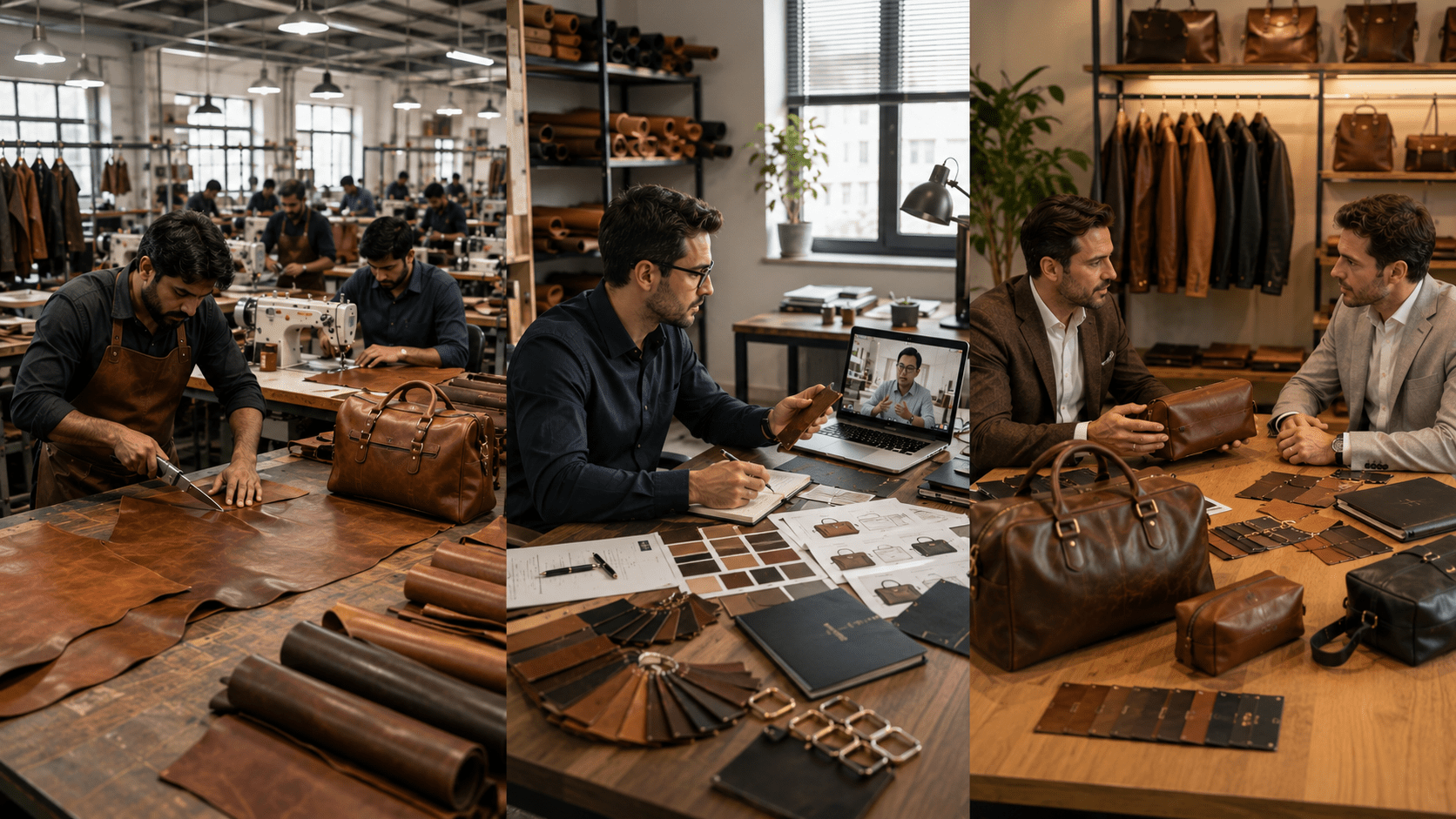
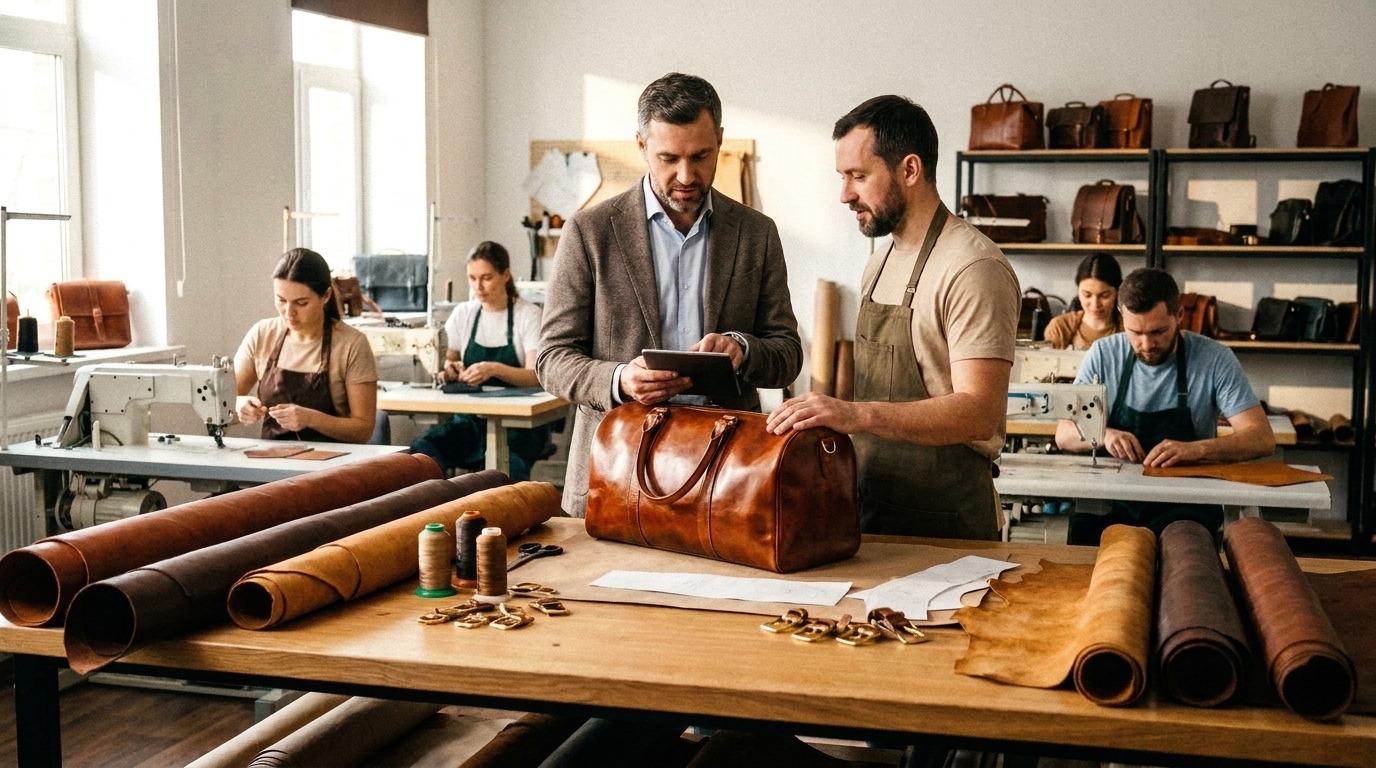
The best leather manufacturers physically produce leather or finished leather goods using its own production facilities or directly managed manufacturing operations. Depending on the business, this can include cutting, stitching, assembly, finishing, and quality control.
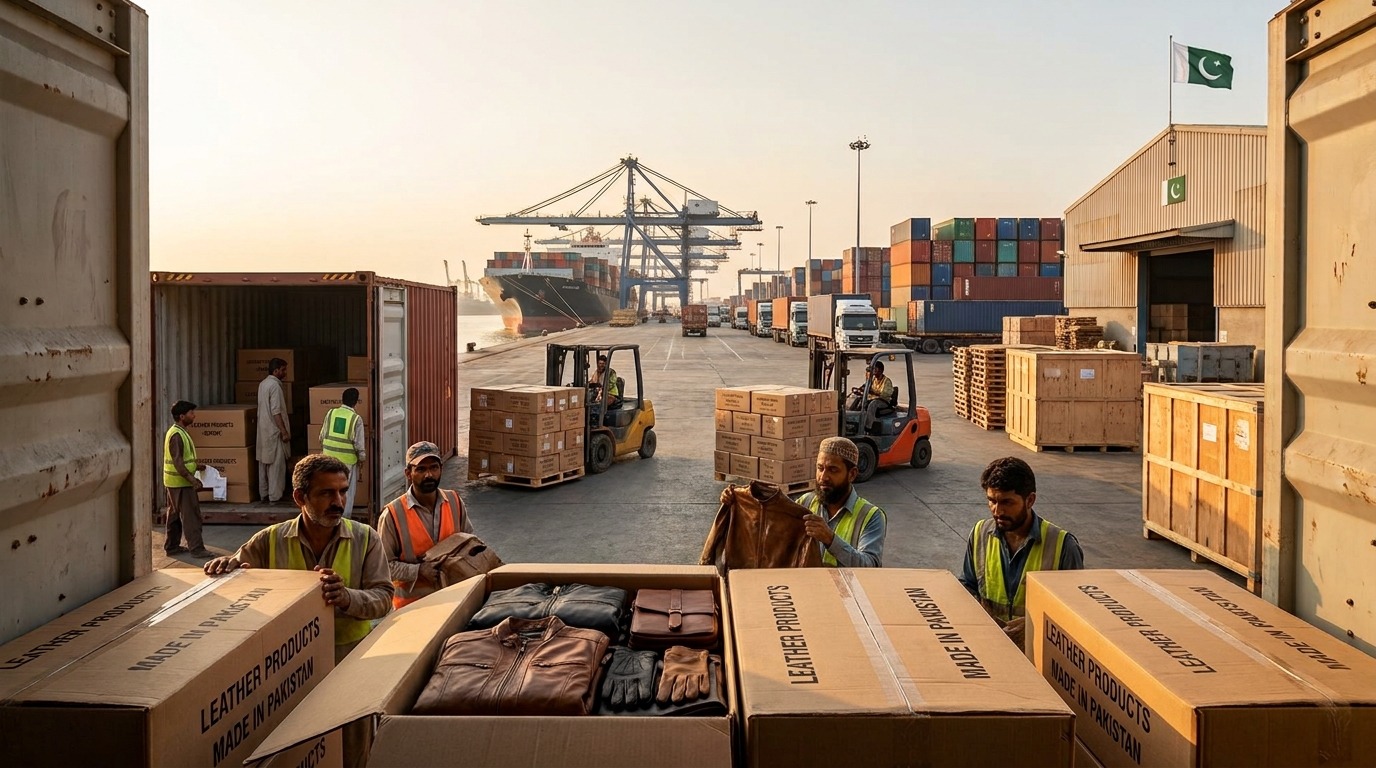
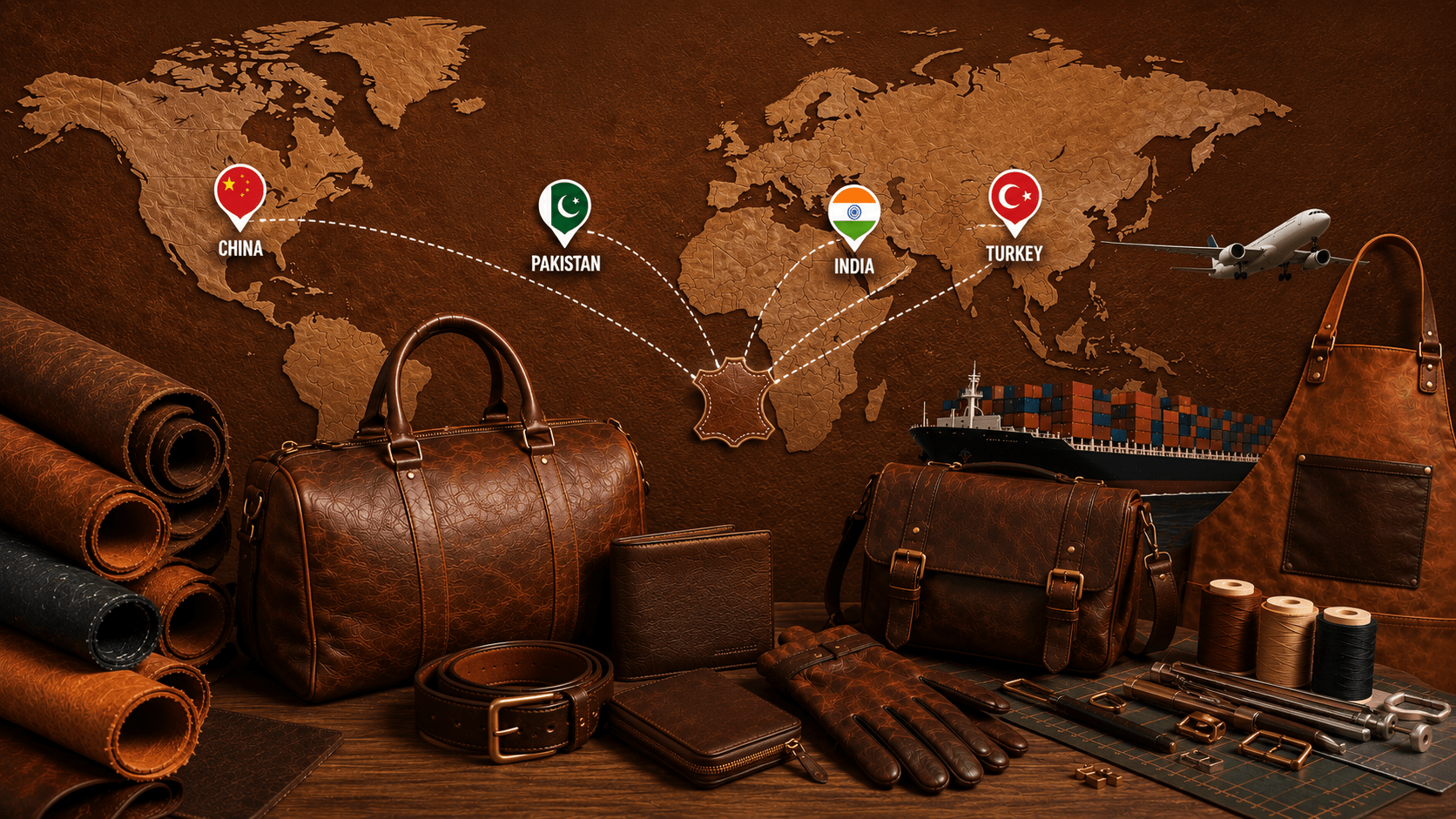
A trader usually doesn’t manufacture the product. Instead, the trader sources products from one or more factories and sells them to buyers.
A leather supplier is a broader term. A supplier could be a manufacturer, trader, wholesaler, exporter, or distributor.
So, when a company describes itself as a supplier, don’t automatically assume it owns the factory producing your order.
2. Who Gives You More Customization Control?
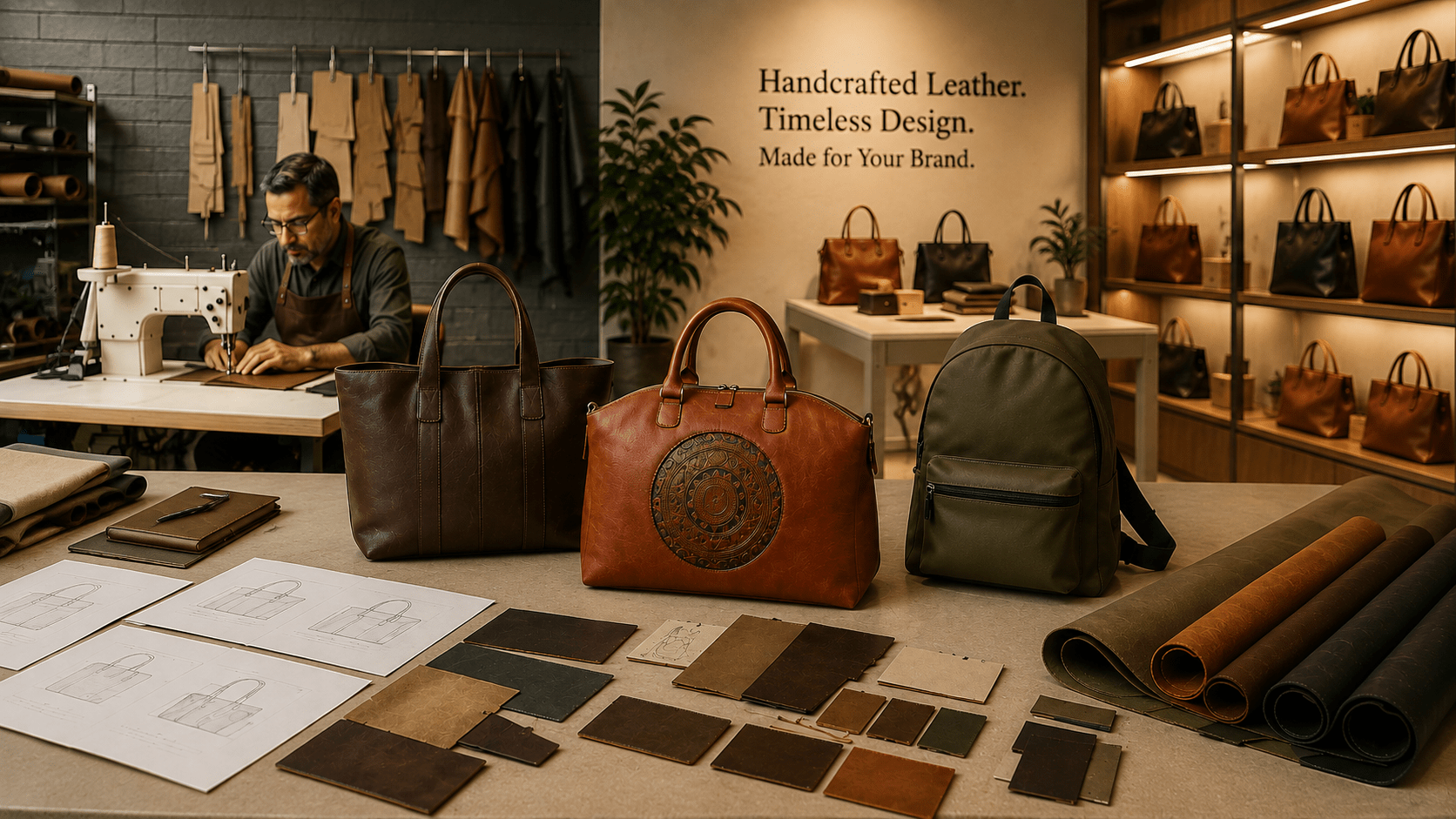
If you need a completely custom leather jacket, bag, glove, apron, or accessory, working directly with the manufacturer can give you greater control over:
- Leather selection
- Dimensions
- Patterns
- Hardware
- Stitching
- Colors
- Branding
- Packaging
Traders can also arrange customized products, but your specifications may pass through the trader before reaching the actual factory.
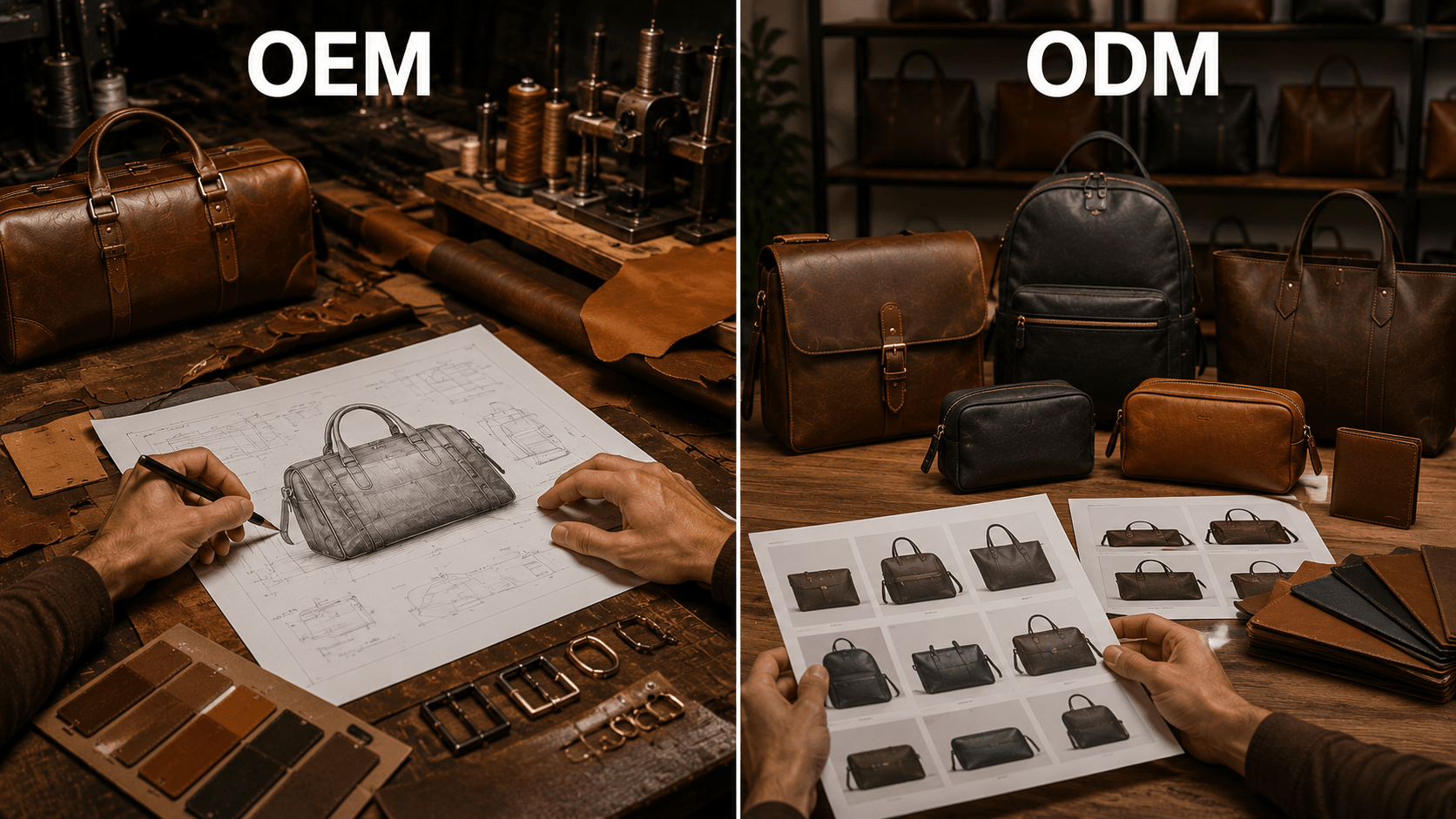
Your manufacturing model matters as well. The level of control, product development, and customization can differ considerably between ODM vs OEM manufacturing, particularly when you’re developing products specifically for your brand.
3. How Does Pricing Differ?
Buying directly from a manufacturer can remove an intermediary margin, but that doesn’t automatically make every manufacturer cheaper.
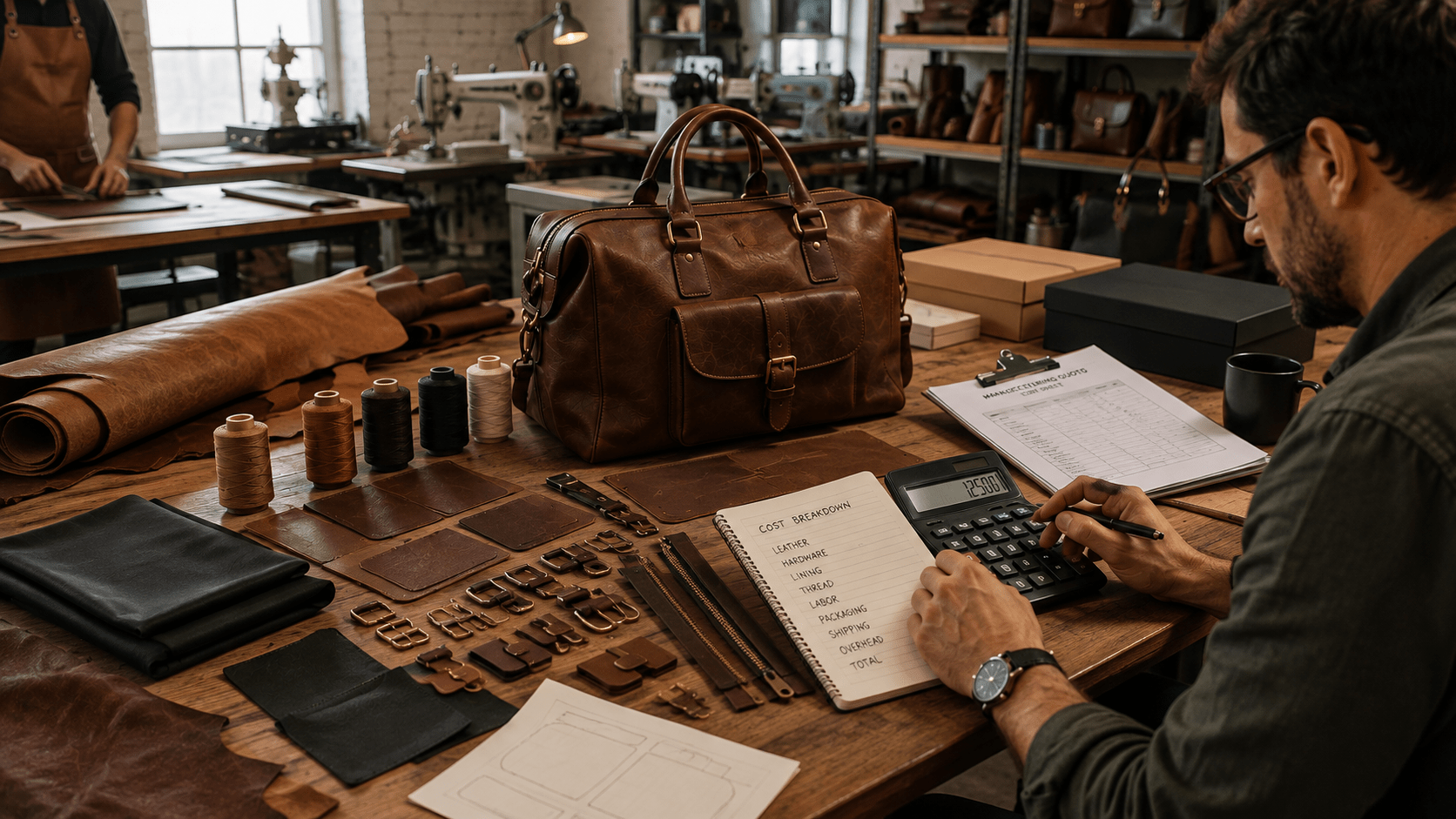
Factories calculate prices according to factors such as materials, labor, order quantity, construction complexity, components, packaging, and customization.
A trader may add a margin but could also provide services such as supplier coordination, order consolidation, communication, or sourcing products from multiple factories.
This is why leather manufacturing cost should be compared against the complete product specification rather than simply choosing the lowest quotation.
4. Who Controls the MOQ?
Manufacturers usually establish MOQs according to production efficiency, material purchasing requirements, setup costs, and factory capacity.
A trader may have greater flexibility when sourcing existing products or combining orders across manufacturers.
For example, a factory might require a substantial quantity of one custom bag design, while a trader could potentially supply smaller quantities of several existing designs.
For buyers, the right option depends on whether the priority is customization, volume, or product variety.
5. Who Is Responsible for Quality Control?
When you work directly with a manufacturer, quality requirements can be communicated directly to the business producing your products.
A trader may perform its own inspection, coordinate factory QC, or rely on the manufacturer’s internal quality-control process.
In either case, buyers should establish:
- Approved sample
- Material specifications
- Measurement tolerances
- Hardware requirements
- Stitching standards
- Packaging requirements
- Final inspection expectations
Quality responsibilities should be agreed upon before bulk production rather than after the shipment arrives.
6. How Can You Tell If a Supplier Is Really a Manufacturer?
A professional website and product catalog don’t prove that a company owns or operates a factory.
Before placing a significant order, ask:
- Where is production located?
- Which processes are completed in-house?
- Can you see the current production?
- What products does the factory specialize in?
- What is its monthly production capacity?
- Can it develop custom samples?
- Can the facility be inspected?
You can also verify a leather manufacturer by checking business information, manufacturing evidence, product specialization, documentation, and other details before committing to bulk production.
7. Which One Should You Choose?
There isn’t one correct option for every buyer.
| Requirement |
Usually Better Fit |
| Fully custom products |
Manufacturer |
| OEM production |
Manufacturer |
| Direct production communication |
Manufacturer |
| Large specialized orders |
Manufacturer |
| Products from several factories |
Trader |
| Smaller mixed orders |
Trader/Supplier |
| Standard wholesale products |
Supplier |
| Long-term custom production |
Manufacturer |
The business label itself shouldn’t make the final decision. Production capability, reliability, quality, pricing, communication, and experience with your product category matter more.
Finding the Right Leather Supplier
Before choosing a leather supplier, determine whether you need direct manufacturing, ready-made wholesale products, or sourcing support across several factories.
Tannorium brings manufacturers, suppliers, exporters, and other leather businesses together within a dedicated leather marketplace, making it easier for buyers to evaluate businesses specifically connected to the leather industry.
For custom or bulk requirements, buyers should clearly communicate the product, leather type, quantity, customization, packaging, and destination so potential production partners can respond based on the same requirements.
Final Thoughts
A leather supplier can be a manufacturer, trader, wholesaler, exporter, or distributor. A manufacturer actually handles production, while a trader typically connects buyers with products manufactured elsewhere.
Before placing an order, establish who manufactures the product, who controls quality, who determines the MOQ, and who is accountable if something goes wrong. Those answers matter considerably more than the title a company uses on its website.
FAQs
Is a leather supplier the same as a manufacturer?
Not necessarily. A leather supplier may manufacture products directly or source them from another manufacturer.
Is buying directly from a leather manufacturer cheaper?
It can remove intermediary margins, but the final price still depends on materials, MOQ, customization, labor, product complexity, and other production requirements.
What does a leather trader do?
A trader typically sources leather or finished leather goods from manufacturers and supplies them to buyers. Some traders also manage sourcing, communication, consolidation, and inspection.
How can I verify a leather supplier?
Confirm business information, production location, product specialization, samples, manufacturing capabilities, quality-control procedures, and relevant documentation before placing a large order.