




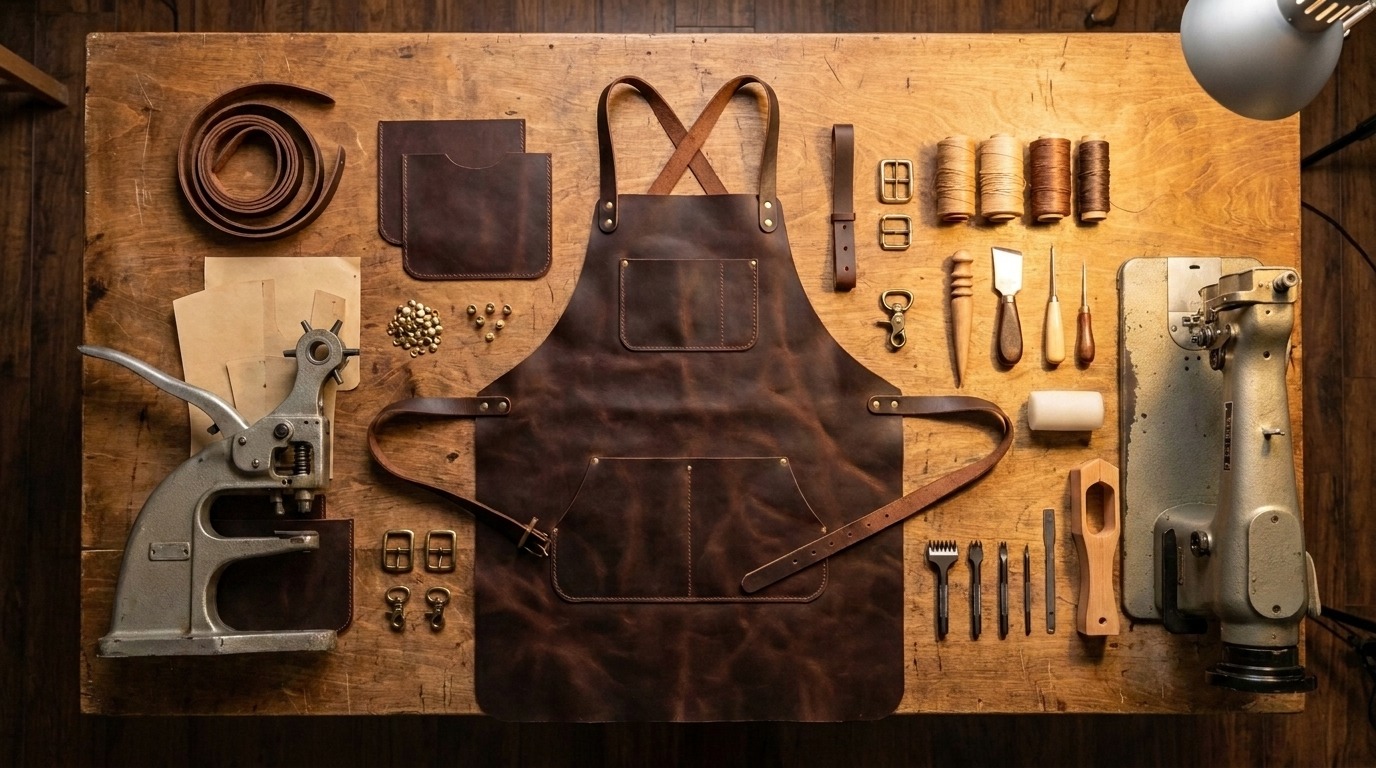
Leather aprons have been trusted by craftsmen, chefs, blacksmiths, barbers, woodworkers, welders, and artisans for generations. Unlike fabric aprons, genuine leather aprons offer superior durability, heat resistance, and long-lasting protection in demanding work environments. Whether used in a professional workshop or a commercial kitchen, a well-made leather apron is designed to withstand years of daily use.
The quality of a leather apron depends on much more than its appearance. Every stage from selecting the right leather and creating precise patterns to stitching, installing hardware, and inspecting the finished product plays an important role in its comfort, durability, and functionality.
Before manufacturing begins, however, the leather itself has already gone through a complex production process. If you’re interested in how raw animal hides are transformed into finished leather, our article on how leather is made explains every stage, from hide preparation and tanning to finishing and quality control.
In this guide, we’ll focus on how leather is transformed into a finished apron, highlighting each step of the manufacturing process used by professional leather workshops and factories.
What Makes a High-Quality Leather Apron?
Not every leather apron is built to the same standard. While two aprons may look similar at first glance, differences in materials, craftsmanship, and construction can have a significant impact on durability and comfort.
A high-quality leather apron typically includes:
- Premium full-grain or top-grain leather
- Appropriate leather thickness for the intended application
- Strong stitching with reinforced stress points
- Durable rivets, buckles, and metal hardware
- Comfortable, adjustable shoulder or neck straps
- Smooth, professionally finished edges
- Consistent quality inspection before packaging
The thickness of the leather plays an important role in balancing protection, flexibility, and comfort. Similarly, the choice of leather influences how the apron performs in different working environments. Cowhide is widely preferred for heavy-duty applications, while other animal hides may be selected depending on the desired weight, texture, and appearance.
Surface treatment also affects the final product. Different leather finishing techniques can improve scratch resistance, enhance appearance, and increase durability while preserving the leather’s natural character.
Step 1: Selecting the Right Leather
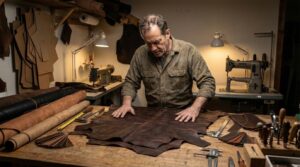
Every leather apron starts with selecting the most suitable leather for its intended purpose. Manufacturers carefully evaluate the material before cutting begins because the leather determines the apron’s strength, flexibility, appearance, and lifespan.
Full-grain leather is generally considered the highest-quality option. Since it retains the natural grain surface, it offers exceptional durability and develops a rich patina over time. Many premium workshop and blacksmith aprons are made from full-grain cowhide because it withstands heavy daily use.
Top-grain leather is another popular choice. It has a smoother surface, a slightly softer feel, and remains durable enough for professional kitchens, cafés, woodworking shops, and barber studios.
Split leather is sometimes used for budget-friendly products. Although more affordable, it doesn’t provide the same durability or longevity as full-grain or top-grain leather.
The selection process also considers the intended working environment. Heavy-duty workshop aprons usually require thicker leather for increased protection, while chef and barber aprons often prioritize flexibility and comfort for extended wear.
Increasingly, manufacturers are also paying attention to sustainability by sourcing leather from responsible tanneries and reducing production waste throughout the manufacturing process. Responsible sourcing and environmental practices continue to shape the modern leather industry.
Step 2: Designing and Pattern Making
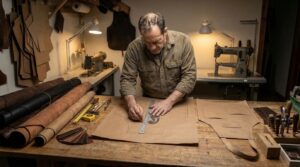
Once the leather has been selected, designers create detailed patterns that define every part of the apron.
Pattern making ensures consistency across production while maintaining accurate sizing and proportions. Manufacturers determine the overall apron dimensions, pocket placement, strap locations, tool holders, reinforcement panels, and adjustment systems before any leather is cut.
Many modern factories use CAD (Computer-Aided Design) software to develop digital patterns, allowing precise measurements and efficient material utilization. Smaller leather workshops may continue to use handcrafted templates that have been refined through years of experience.
The design stage also considers the end user.
For example:
- Chef aprons often feature towel loops and utensil pockets.
- Blacksmith aprons emphasize chest protection and reinforced construction.
- Woodworking aprons include tool compartments and hammer loops.
- Barber aprons prioritize lightweight construction and multiple accessory pockets.
- Welding aprons may include additional protective coverage and thicker leather panels.
Careful planning during this stage helps reduce production errors while ensuring every feature serves a practical purpose.
Step 3: Cutting the Leather
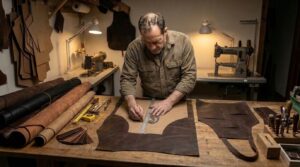
After the design has been finalized, manufacturers begin cutting each component from the selected leather hides.
Before cutting starts, the leather is carefully inspected to identify natural scars, wrinkles, insect bites, branding marks, or other imperfections. Although many natural characteristics add authenticity, visible defects are generally avoided on prominent sections of the apron.
Depending on production volume, manufacturers may use several cutting methods.
Manual Cutting
Small workshops often cut leather by hand using sharp utility knives or rotary cutters. This method allows experienced craftsmen to work around natural markings while maximizing material usage.
Die Cutting
Medium- and large-scale manufacturers frequently use steel dies combined with hydraulic presses. Die cutting produces highly consistent parts while significantly improving production efficiency.
CNC Cutting
Some modern factories utilize CNC cutting machines for maximum precision and repeatability. Digital cutting systems minimize material waste while maintaining consistent dimensions across large production runs.
Regardless of the cutting method, manufacturers carefully arrange patterns to maximize leather utilization and reduce waste. Efficient nesting helps improve production efficiency while lowering manufacturing costs.
Step 4: Skiving and Edge Preparation
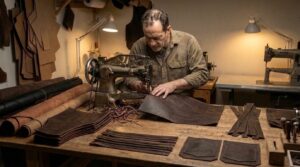
Not every section of a leather apron requires the same thickness.
Areas where leather folds around straps, pockets, or reinforced panels are often skived to reduce bulk without compromising strength.
Skiving is the process of thinning selected portions of the leather using specialized skiving machines or hand tools. This creates smoother folds, improves stitching accuracy, and allows multiple leather layers to fit together more naturally.
After skiving, manufacturers prepare the edges by trimming uneven sections and smoothing rough surfaces before assembly begins.
Proper edge preparation provides several advantages:
- Cleaner folds
- Improved stitching quality
- Better hardware installation
- Enhanced comfort
- Professional appearance
Although edge finishing is completed later in production, careful preparation at this stage contributes significantly to the apron’s overall craftsmanship and durability.
Step 5: Punching Holes and Preparing Components
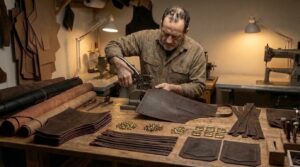
With the main leather panels prepared, manufacturers begin producing the smaller components that will eventually be assembled into the finished apron.
Precision hole punching ensures accurate placement for:
- Rivets
- Buckles
- Adjustable straps
- Waist belts
- Shoulder straps
- Pocket attachments
- Hanging loops
Many manufacturers also prepare decorative or branding elements during this stage.
Depending on customer requirements, logos may be embossed, debossed, or stamped onto the leather before assembly begins. Businesses ordering custom leather aprons often include their company logo, workshop name, or private label branding as part of the manufacturing process.
Every hole, slot, and attachment point is measured carefully because even slight alignment errors can affect both appearance and functionality once the apron is assembled.
At this point, all major components have been prepared, inspected, and organized for the assembly stage, where stitching, hardware installation, edge finishing, and final quality inspection transform these individual leather pieces into a finished leather apron.
Step 6: Stitching and Assembling the Leather Apron
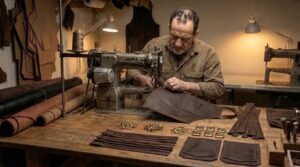
Once every leather component has been prepared, the assembly process begins. This is one of the most important stages of manufacturing because it determines the apron’s overall strength, durability, and appearance.
Manufacturers first position the main body panels, pockets, straps, and reinforcement pieces according to the approved pattern. Each component must be perfectly aligned before stitching starts to ensure consistent dimensions and a professional finish.
Most leather aprons are assembled using heavy-duty industrial sewing machines designed to handle thick leather and heavy threads. Premium handmade aprons may also include hand stitching on specific areas, although machine stitching is generally preferred for consistency and production efficiency.
High-quality manufacturers reinforce areas that experience the greatest stress, including:
- Shoulder strap connections
- Waist strap attachments
- Pocket corners
- Tool loops
- Rivet locations
Many workshops use waxed polyester or nylon thread because it offers excellent strength and abrasion resistance. Stitch length is also carefully controlled to balance durability with flexibility.
Although leather products serve different purposes, the attention given to stitching is similar across many leather goods. For example, leather bags and leather gloves also rely on accurate stitching techniques to achieve long-lasting performance, although each product follows its own manufacturing requirements.
Step 7: Installing Hardware and Adjustable Straps
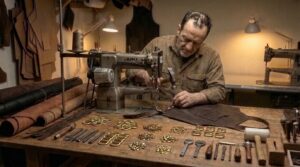
After stitching is complete, manufacturers install the hardware that allows the apron to fit comfortably and perform reliably during daily use.
The choice of hardware depends on the intended application, but common components include:
- Brass buckles
- Stainless steel buckles
- Rivets
- D-rings
- Snaps
- Grommets
- Adjustable strap sliders
Many premium leather aprons use solid brass hardware because it resists corrosion while complementing the natural appearance of leather.
Manufacturers also install the apron’s carrying system, which may include:
Neck Strap
A traditional neck strap is simple, adjustable, and commonly found on chef and workshop aprons.
Cross-Back Straps
Cross-back designs distribute weight across both shoulders, reducing neck strain during extended periods of wear. These systems are increasingly popular among woodworkers, blacksmiths, barbers, and leather craftsmen.
Every rivet and buckle is securely fastened before moving to the next stage to ensure reliable long-term performance.
Step 8: Edge Finishing and Surface Treatment
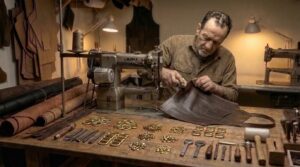
Once assembly is complete, manufacturers focus on the finishing details that improve both appearance and durability.
The edges of the leather are carefully smoothed before being burnished using wax, gum compounds, or specialized finishing tools. Burnishing creates a smooth, sealed edge that helps protect the leather from moisture and daily wear.
Depending on the design, manufacturers may also apply:
- Edge paint
- Protective wax
- Leather conditioner
- Natural oils
- Water-resistant treatments
These finishing techniques enhance the leather’s appearance while improving its resistance to scratches, moisture, and everyday use. The type of finish selected often depends on the intended application, desired appearance, and characteristics of the leather itself.
Step 9: Quality Inspection
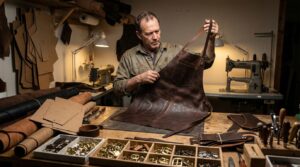
Before a leather apron reaches the customer, it undergoes a comprehensive quality inspection.
Reputable manufacturers examine every apron to verify that it meets their production standards and customer specifications.
Inspectors typically evaluate:
- Leather quality
- Stitch consistency
- Pocket alignment
- Strap positioning
- Rivet installation
- Hardware function
- Edge finishing
- Logo placement
- Measurements
- Overall appearance
Natural leather can contain unique markings that add character, but manufacturers carefully ensure that unacceptable imperfections do not affect performance or appearance. Identifying common leather defects before shipment helps reduce returns and maintain consistent product quality.
Only aprons that pass every inspection move to the final packaging stage.
Step 10: Packaging and Shipping
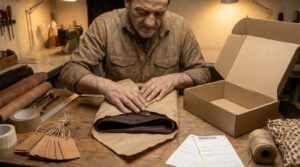
After passing quality inspection, every leather apron is cleaned and prepared for shipment.
Manufacturers remove dust, condition the leather when necessary, and perform one final visual inspection before packaging.
Retail orders are usually packaged individually to protect the leather during transportation, while wholesale shipments are packed in larger cartons with protective materials that minimize movement and prevent damage during transit.
Export manufacturers also prepare shipping documentation, carton labeling, and packaging according to customer requirements and destination country regulations.
Careful packaging helps ensure that every leather apron arrives in excellent condition, whether it is shipped to an individual customer or delivered as part of a large commercial order.
Handmade vs Factory-Made Leather Aprons
Leather aprons can be produced by individual artisans, specialized workshops, or large manufacturing facilities. Each approach offers different advantages depending on the buyer’s requirements.
| Handmade Leather Aprons | Factory-Made Leather Aprons |
| Individually crafted | Higher production capacity |
| Greater customization | Consistent product quality |
| Unique craftsmanship | Faster lead times |
| Ideal for premium products | Suitable for bulk orders |
| Longer production time | Better pricing for large quantities |
Businesses planning to introduce their own branded leather aprons often choose between OEM and private label manufacturing. The most suitable option depends on factors such as customization requirements, production volumes, branding goals, and product development needs.
Where Can You Buy Leather Aprons Online?
Leather aprons are available through several purchasing channels, each serving different types of buyers.
Buy Direct from Leather Brands
Many established leather brands sell handcrafted leather aprons through their own websites. Buying directly from a brand is often a good option for customers looking for premium craftsmanship, exclusive designs, warranties, and dedicated customer support.
Buy from Online Marketplaces
General marketplaces such as Amazon, Etsy, and eBay offer leather aprons from numerous independent sellers and brands. These platforms make it easy to compare prices, designs, customer reviews, and available features in one place. However, product quality and manufacturing standards can vary between sellers.
Dedicated leather marketplaces provide another option by bringing together manufacturers, suppliers, exporters, and leather brands within a single industry-focused platform. This allows buyers to compare products from multiple leather businesses without browsing unrelated product categories.
Source Leather Aprons Wholesale
Retailers, distributors, restaurants, workshops, and businesses purchasing in bulk often work directly with manufacturers or wholesale suppliers. Many factories offer custom production, private labeling, and OEM services that allow buyers to specify leather type, hardware, colors, branding, packaging, and product dimensions to match their business requirements.
Before committing to a bulk order, businesses should verify a leather manufacturer by reviewing production capabilities, quality control processes, certifications, and previous work.
Final Thoughts
Producing a high-quality leather apron involves far more than cutting and stitching leather together. Every stage from selecting suitable leather and creating accurate patterns to assembling components, installing durable hardware, applying professional finishing, and conducting thorough quality inspections contributes to the performance and longevity of the finished product.
Understanding this manufacturing process helps consumers make informed purchasing decisions while giving businesses greater confidence when evaluating suppliers and manufacturers. Whether you’re purchasing a single handcrafted apron or sourcing large production volumes, knowing how leather aprons are made provides valuable insight into the quality behind every finished product.
FAQs
1. What type of leather is best for leather aprons?
Full-grain leather is generally considered the best option because it offers excellent durability, develops a natural patina over time, and performs well in demanding work environments. Top-grain leather is also a popular choice when greater flexibility and a smoother finish are preferred.
2. Are leather aprons handmade or machine-made?
Both manufacturing methods are common. Premium artisan workshops often produce handmade leather aprons, while larger manufacturers use industrial sewing machines and production equipment to ensure consistency and efficiency.
3. Why are rivets used on leather aprons?
Rivets reinforce high-stress areas such as pockets, straps, and attachment points. They reduce strain on stitching and improve the overall durability of the apron.
4. Can leather aprons be customized for businesses?
Yes. Many manufacturers offer OEM and private label production, allowing businesses to customize logos, leather type, hardware, colors, pocket layouts, and packaging for their own brand
Private Label Leather Bags: Complete Guide for Brands

Private label leather bags allow you to sell professionally manufactured leather bags under your own brand without operating ...

How Much Does It Cost to Manufacture Leather Products? Complete Cost Breakdown
Leather manufacturing cost can vary significantly even when two products look almost identical. A leather bag made from full-...
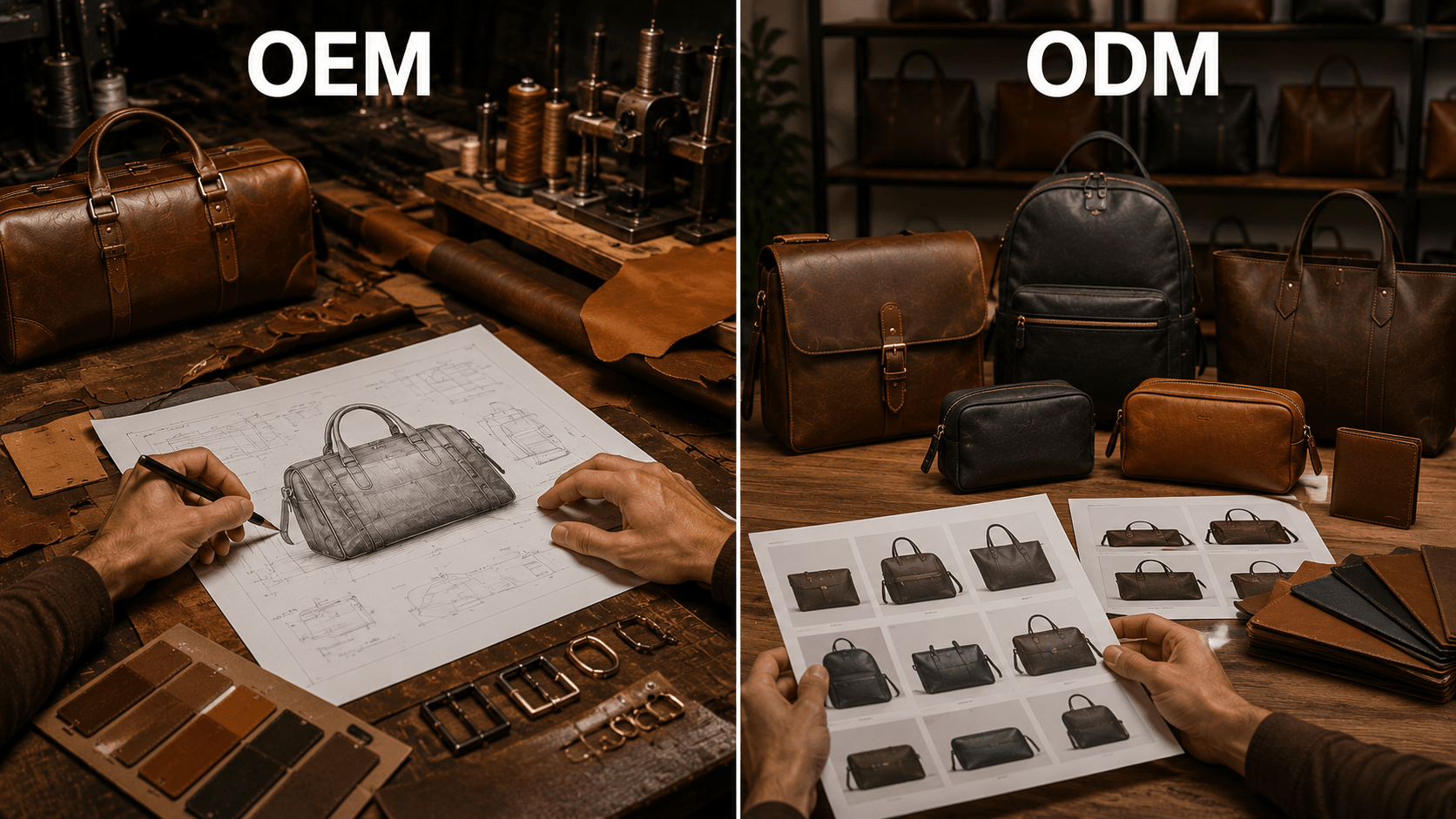
ODM vs OEM: What’s the Difference in Leather Manufacturing?
If you're planning to manufacture leather products, you've likely come across the terms ODM and OEM. Although they are often ...
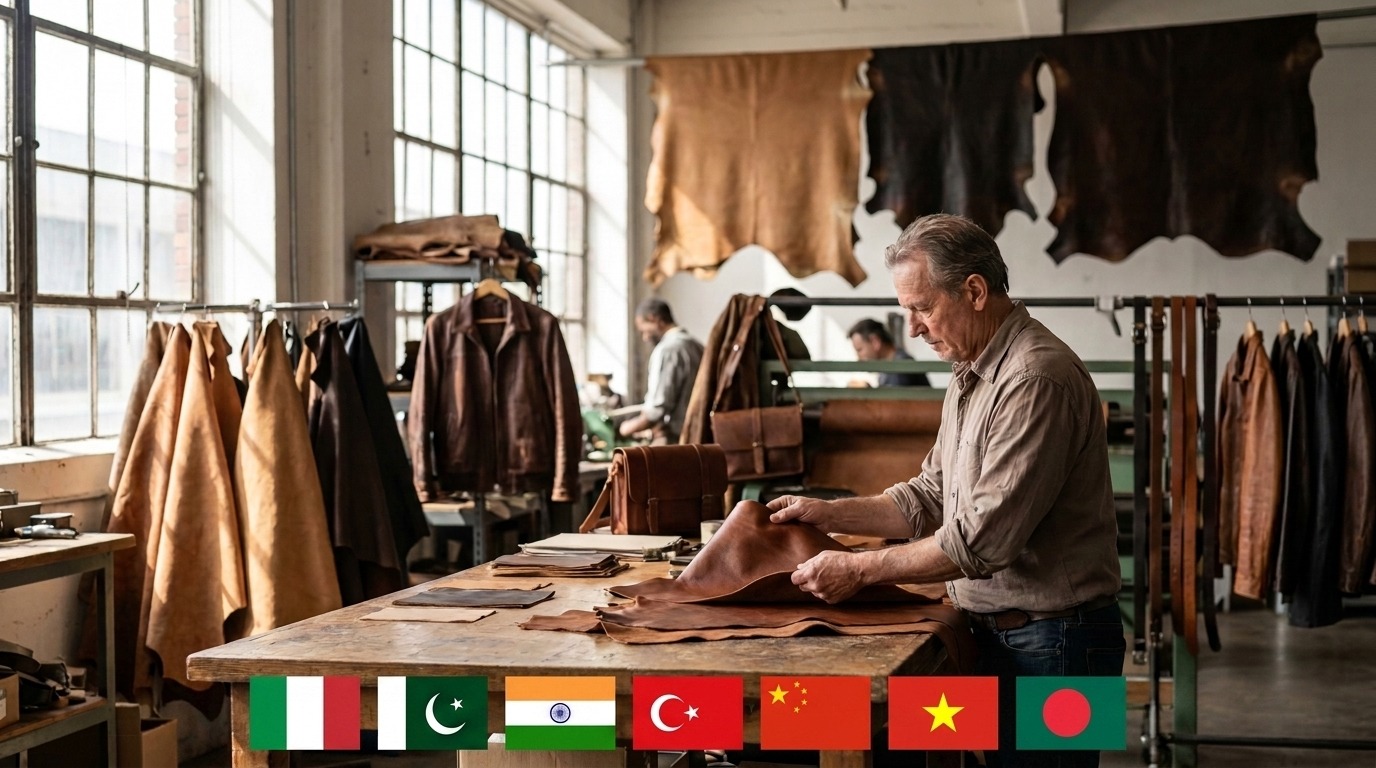
Best Leather Manufacturers in the World (2026 List)
Finding the best leather manufacturers is one of the most important decisions for any business selling leather products. Whet...
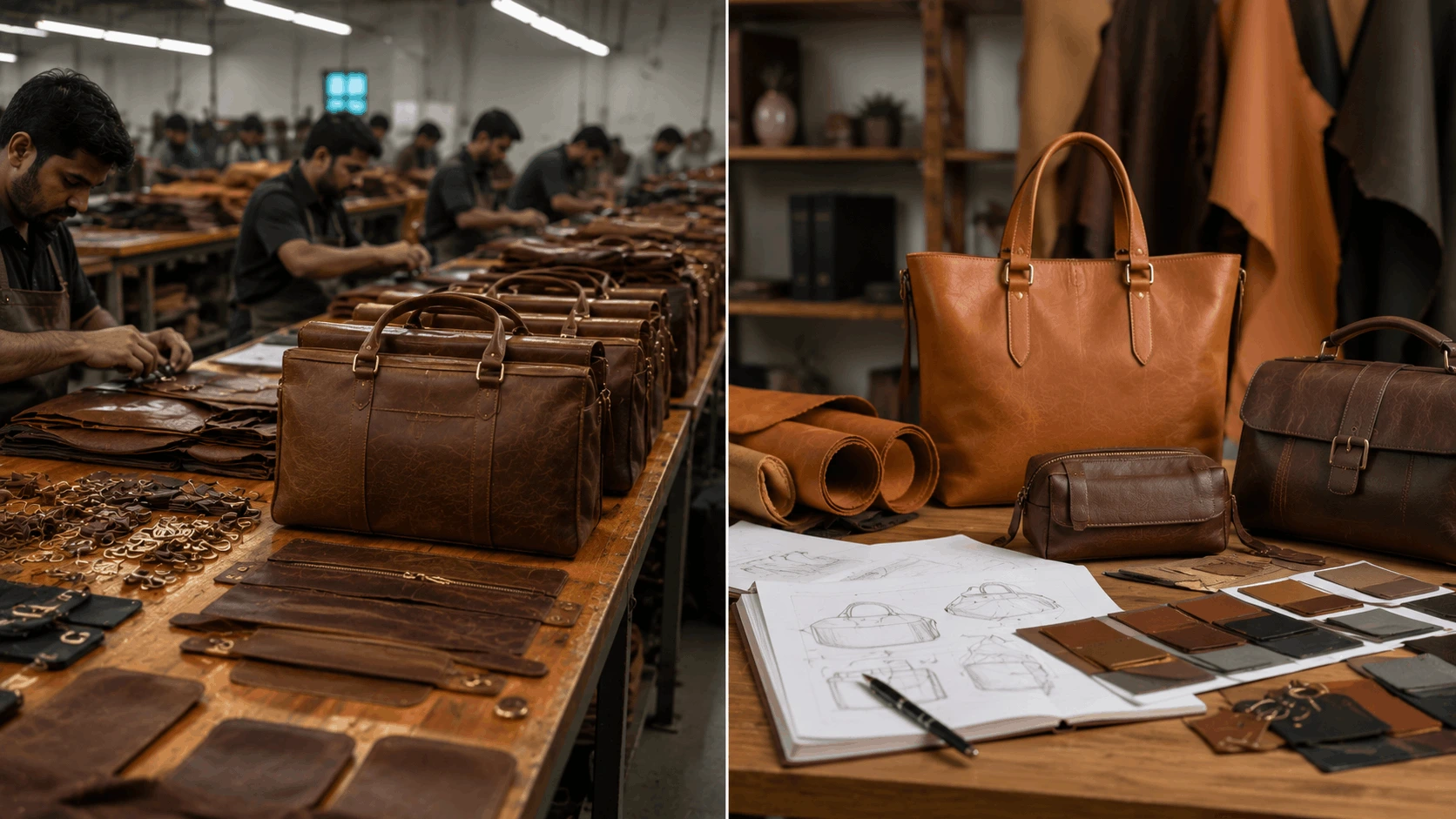
OEM vs Private Label Leather Manufacturing: Which Is Right for Your Brand?
Choosing the right manufacturing model is one of the most important decisions when launching or expanding a leather brand. Wh...