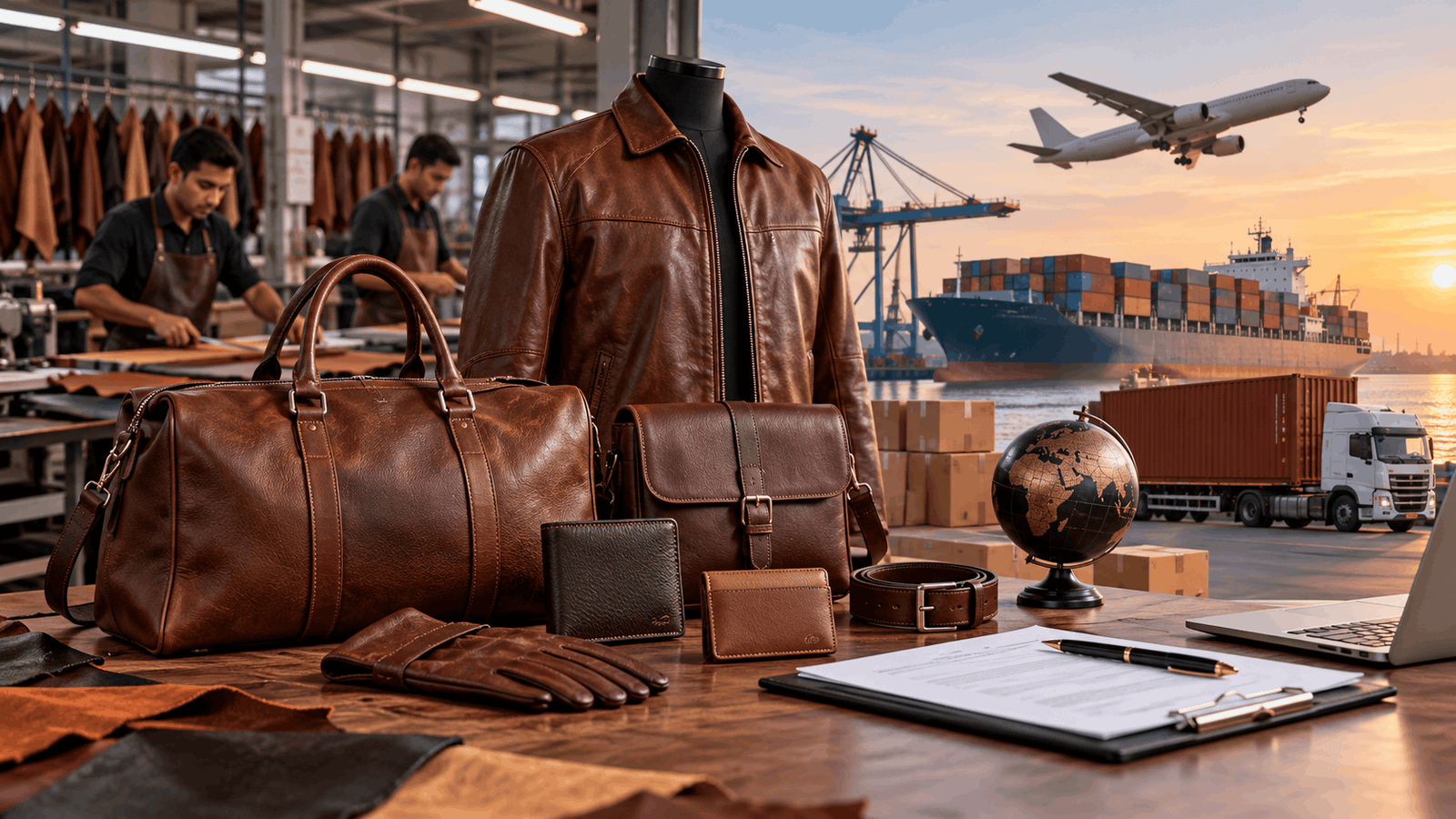
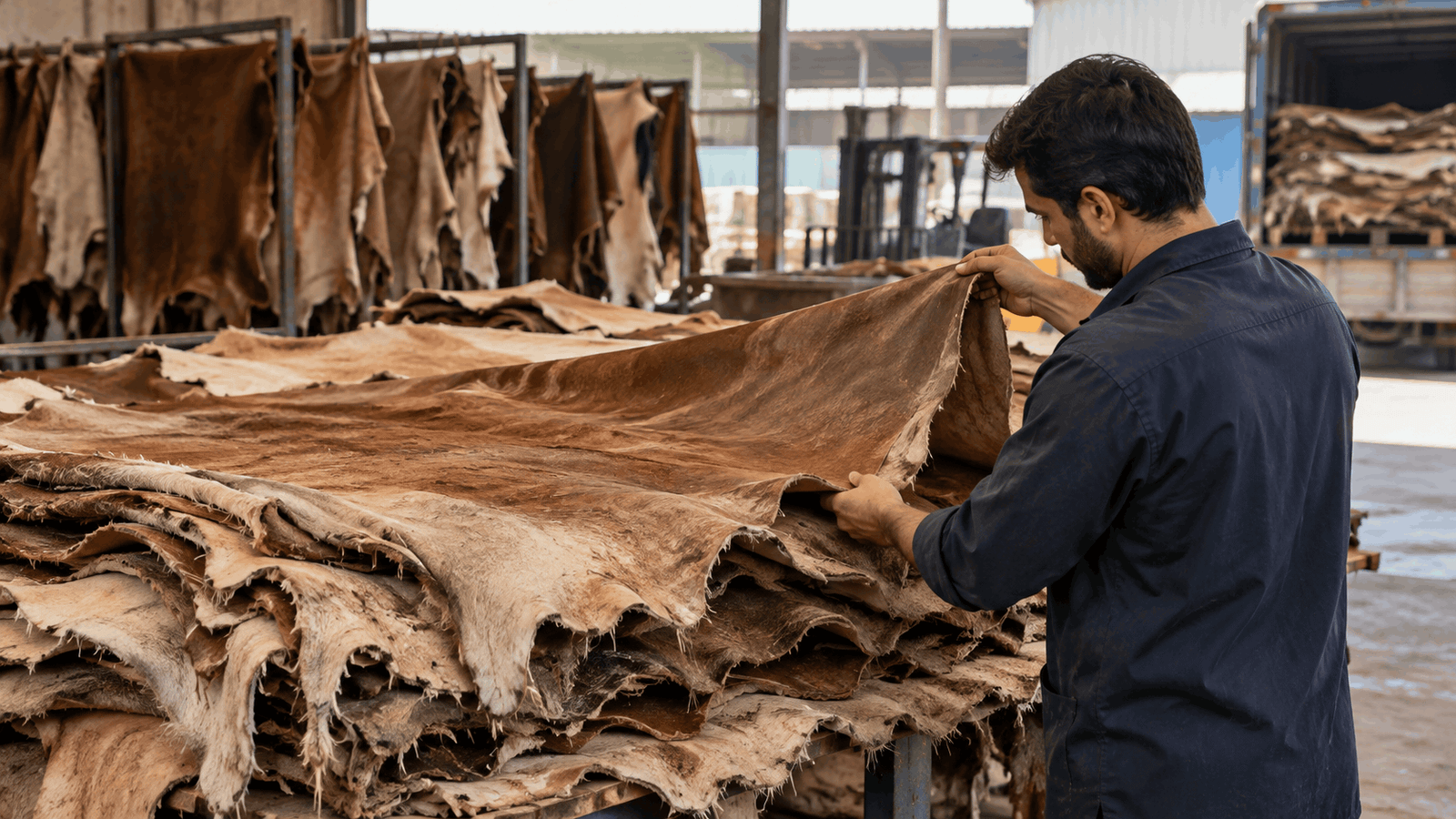
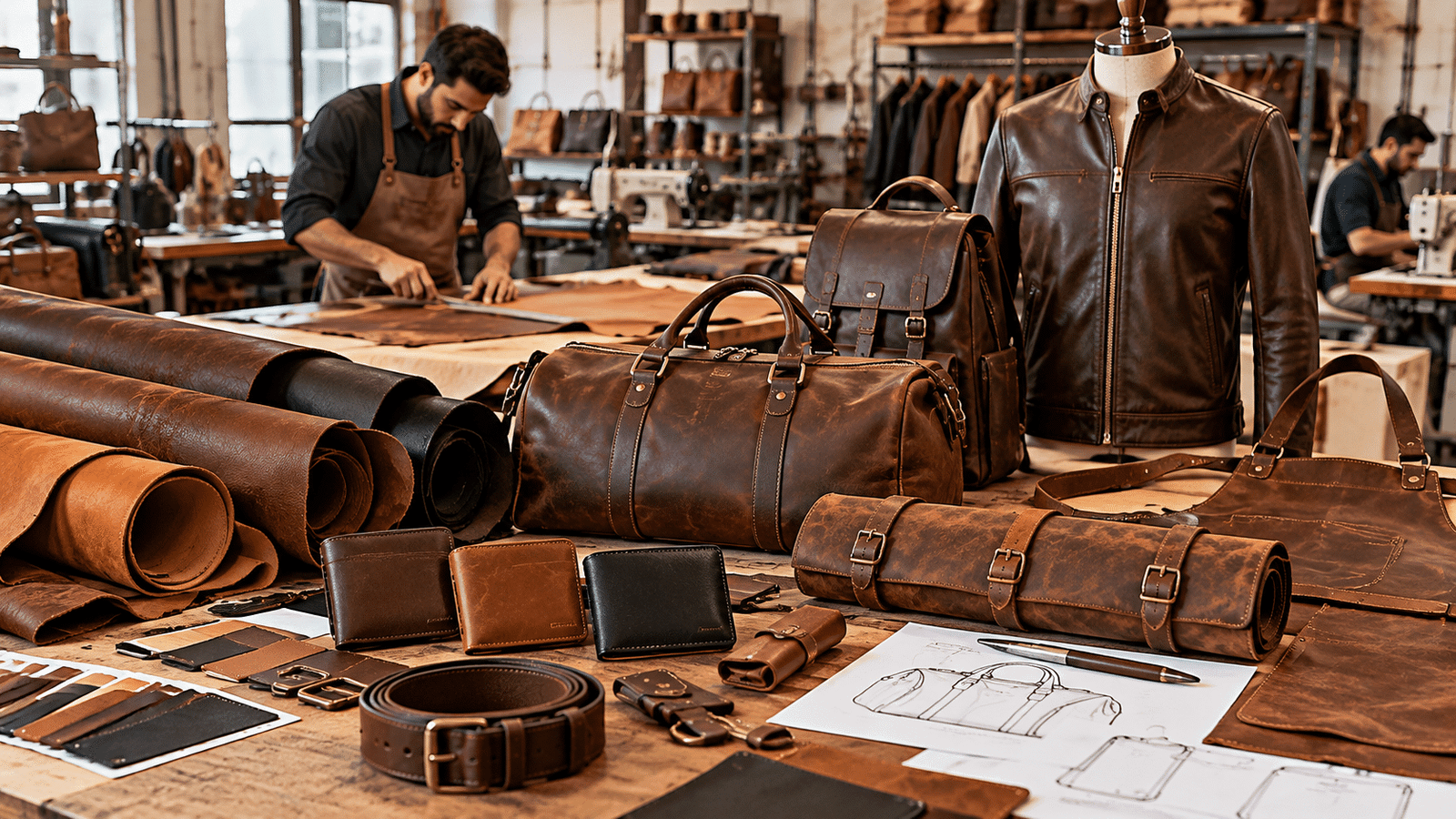
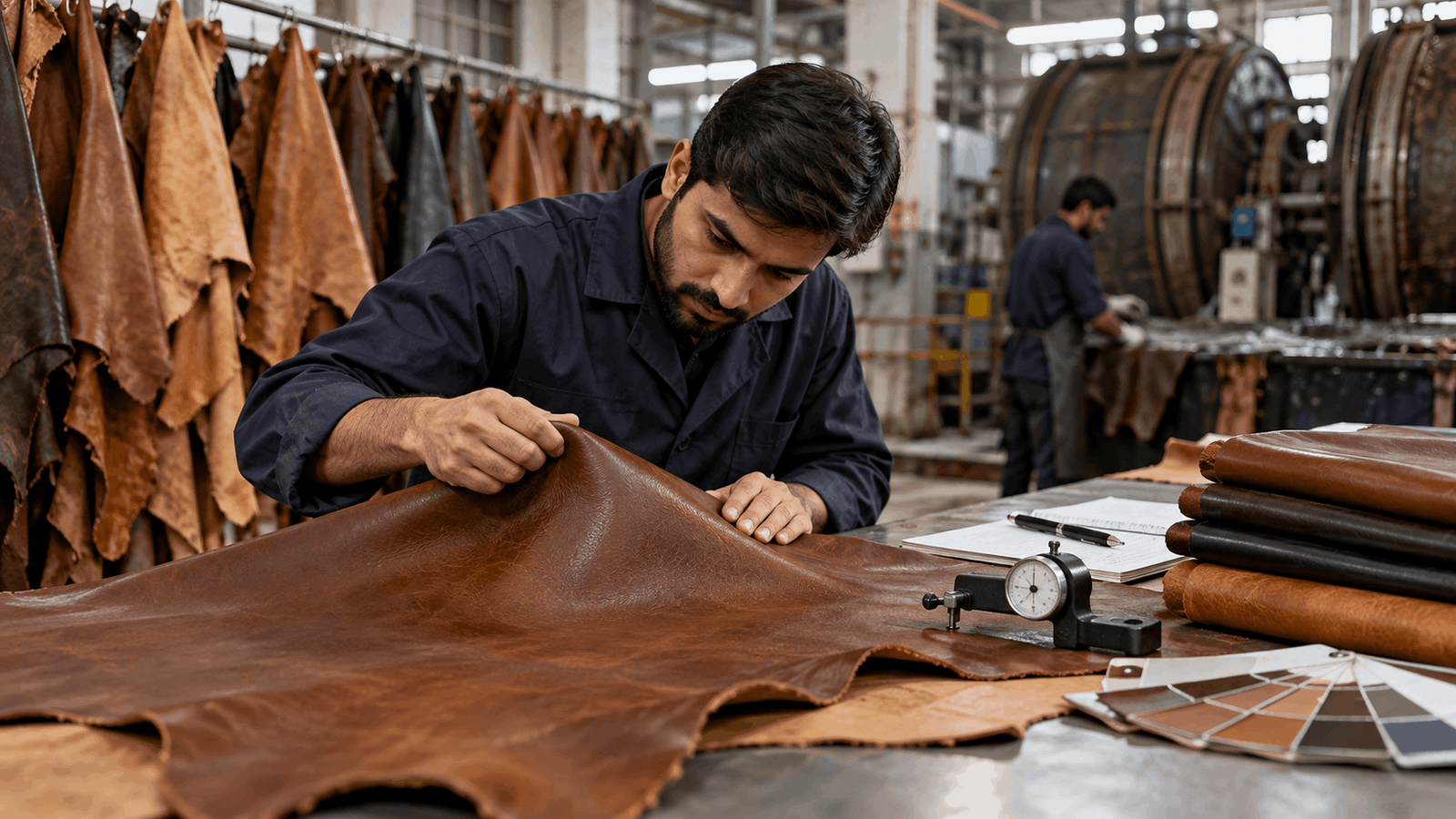
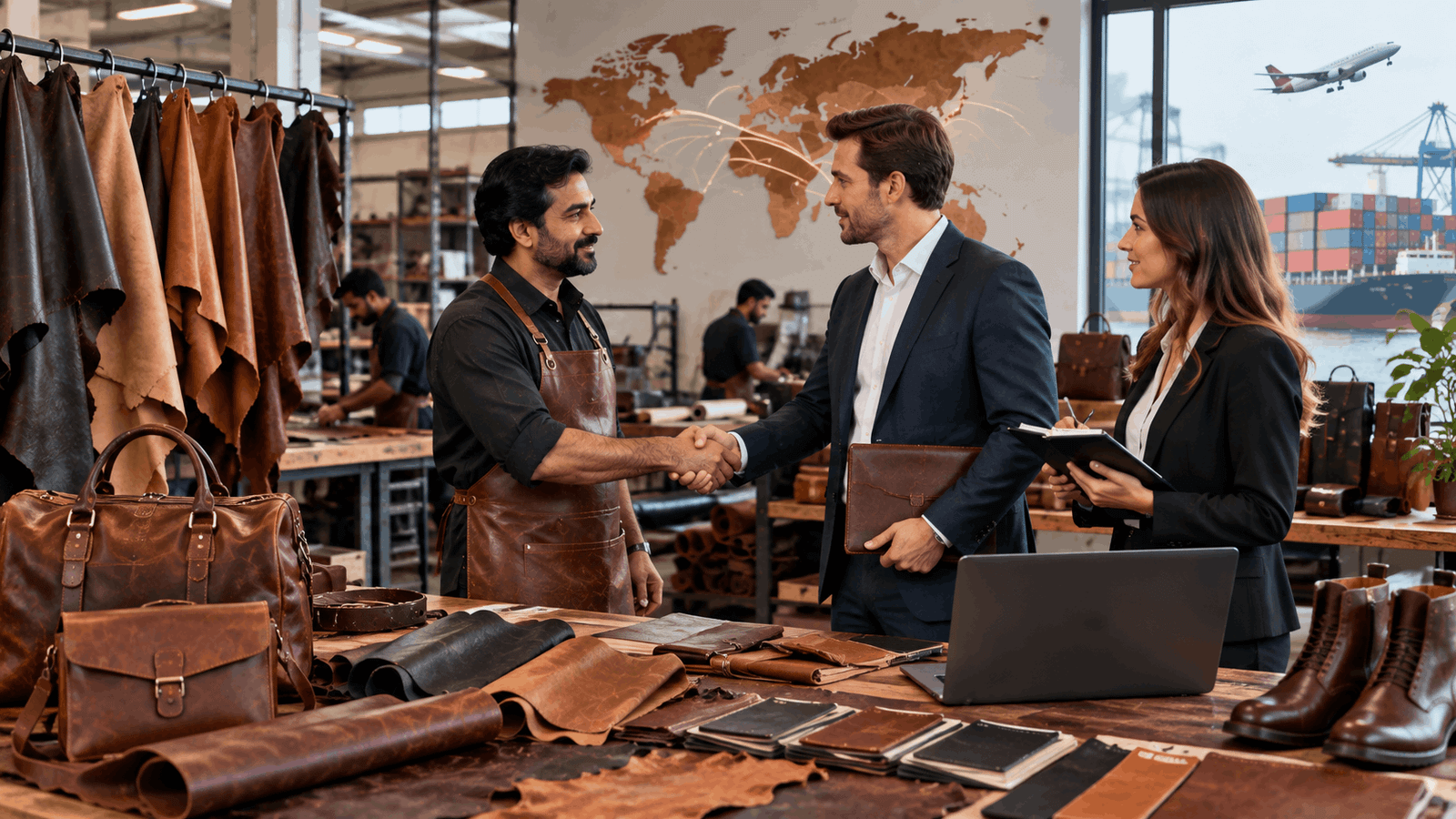
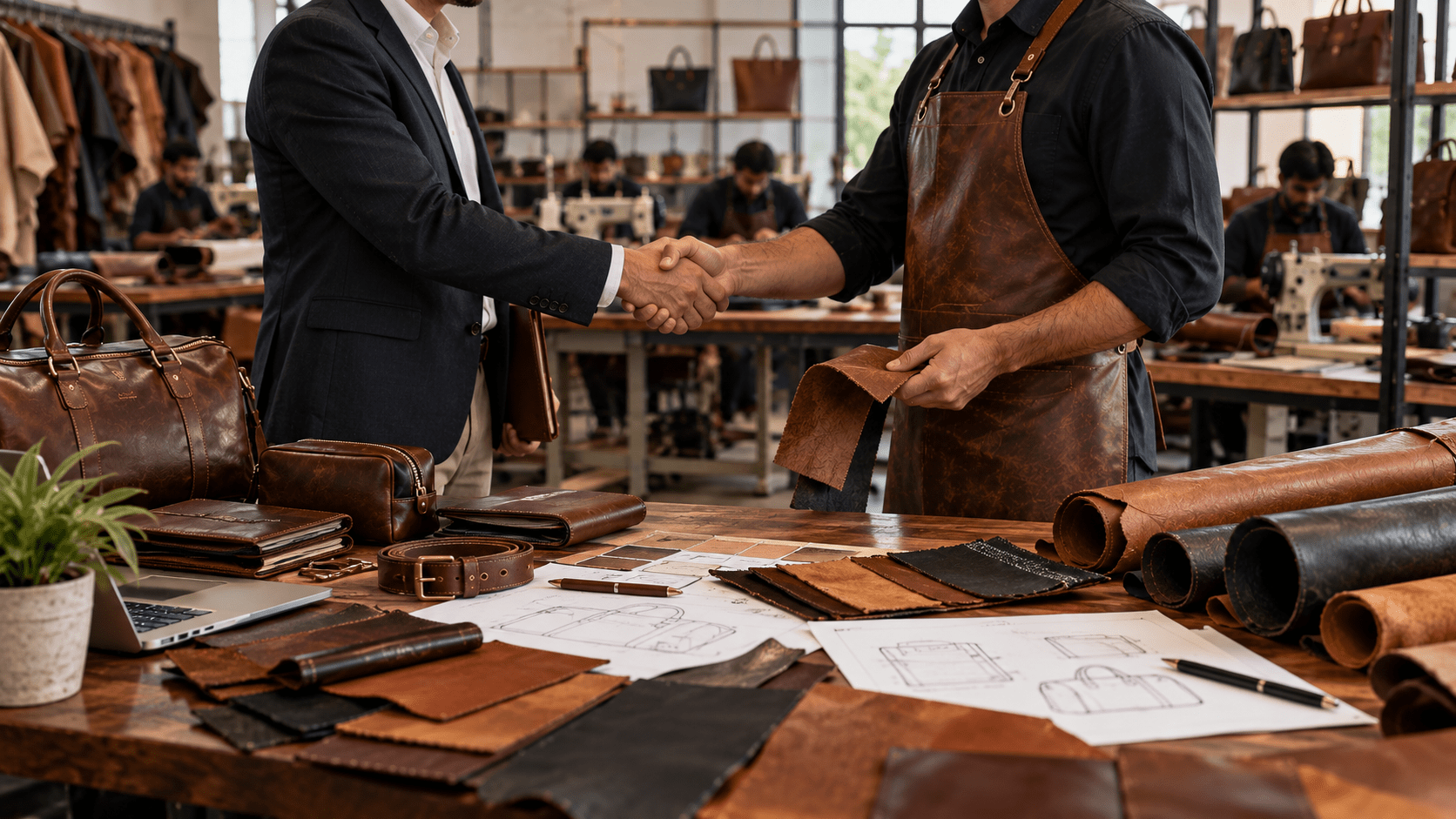
Importing leather products directly from manufacturers can help retailers, wholesalers, fashion brands, and private-label businesses build reliable product supply chains. However, successful importing involves more than finding a supplier and negotiating a low price. Buyers must evaluate manufacturing capabilities, verify leather quality, compare quotations, calculate shipping costs, and understand the customs requirements of their destination country.
Whether you plan to import leather jackets, bags, wallets, gloves, aprons, or customized leather accessories, a structured approach can reduce sourcing risks and help you make better purchasing decisions.
This guide explains how to import leather products from manufacturers, from selecting the right products and suppliers to approving samples, managing international shipping, and receiving your order.
Why Import Leather Products Directly from Manufacturers?
Working directly with manufacturers gives businesses an opportunity to communicate their requirements clearly, compare production options, and develop long-term supply relationships. The benefits depend on the manufacturer’s capabilities, order volume, and commercial terms.
Better Pricing and Wholesale Cost Advantages
Buying directly from manufacturers may reduce intermediary markups, particularly when ordering in commercial quantities. Manufacturers can often provide quotations based on material selection, product specifications, order volume, and production requirements.
However, the lowest factory price does not always represent the lowest overall cost. Shipping, import duties, quality inspections, packaging, and other expenses must also be considered before comparing suppliers.
Access to Custom Designs and Private-Label Products
Many manufacturers offer customization options, including leather types, colors, dimensions, hardware, stitching, logos, and packaging. This allows businesses to develop products that match their target customers and brand identity.
Private-label production can also help businesses sell existing manufacturer designs under their own branding, subject to agreed customization and branding terms.
Greater Control Over Product Quality
Direct communication makes it easier to document material requirements, approve samples, and establish inspection criteria before production begins.
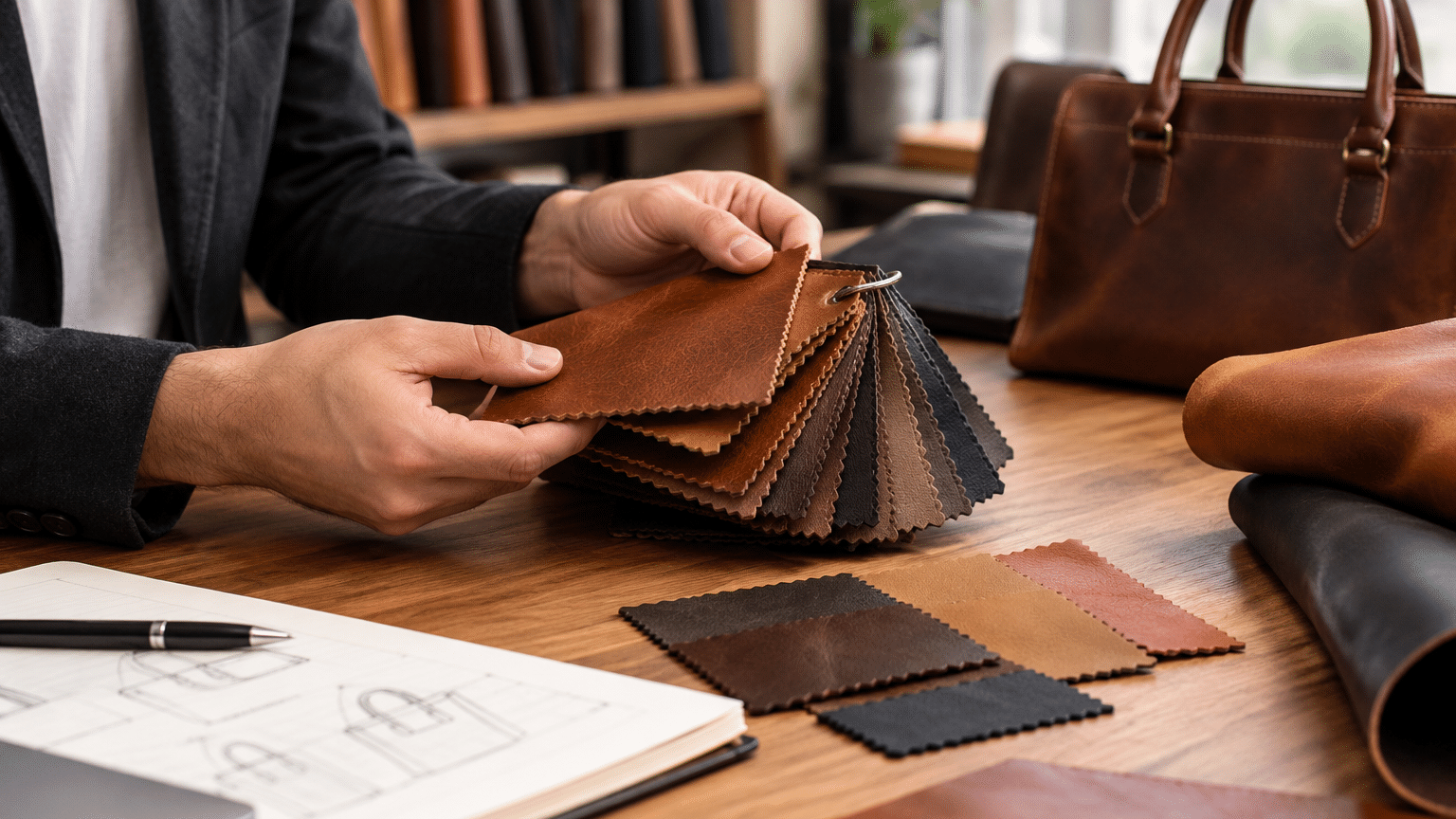
Buyers should specify the leather grade, thickness, color, construction, hardware, dimensions, and finishing standards in writing. These details help manufacturers understand expectations and reduce the risk of receiving products that differ from the approved sample.
Scalable Production for Growing Businesses
A suitable manufacturing partner may support repeat orders, additional product variations, and larger production volumes as demand increases. Before committing, confirm that the supplier has sufficient production capacity and can maintain consistent quality across future orders.
Which Leather Products Can You Import?
The leather products you import should reflect your target market, budget, business model, and supplier’s specialization. Some manufacturers focus on apparel, while others specialize in accessories, protective products, or custom leather goods.
Leather Jackets and Apparel
Leather jackets, coats, vests, and other garments are commonly sourced by fashion retailers and private-label brands. Buyers should evaluate leather selection, lining, sizing, zipper quality, stitching, fit, and finishing.
Apparel orders may also require size specifications, grading standards, and sample approval before bulk production.
Leather Bags, Wallets, and Accessories
Handbags, backpacks, wallets, belts, travel accessories, and small leather goods can suit retailers and online businesses looking to expand their product ranges.
Important quality factors include material consistency, seam strength, edge finishing, lining, hardware, and functional design.
Leather Gloves and Protective Products
Leather gloves serve different markets, including industrial work, fashion, sports, and other specialized applications. Their material, fit, construction, and performance requirements vary by intended use.
For protective products, buyers should confirm applicable safety standards and testing requirements rather than assuming that leather construction alone establishes compliance.
Custom Leather Goods for Retail and Private Labels
Manufacturers may also produce made-to-order accessories, work aprons, specialty cases, and other products based on buyer specifications.
Before requesting quotations, prepare drawings or reference images, dimensions, material requirements, branding instructions, and expected order quantities. This gives suppliers a clearer basis for evaluating feasibility and pricing.
How to Find Reliable Leather Product Manufacturers
Finding a supplier is relatively straightforward; identifying one that can consistently meet your requirements takes more evaluation.
Search for Specialized Leather Goods Manufacturers
Start with manufacturers that produce the specific category you intend to import. Industry directories, trade exhibitions, referrals, manufacturer websites, and specialized B2B marketplaces can help you develop an initial shortlist.
For broader sourcing guidance, explore leather sourcing from Pakistan, China, India, and Turkey. Compare manufacturing destinations according to product specialization, production capacity, customization options, and your target market.
Evaluate Manufacturing Experience and Product Expertise
Ask potential suppliers about their experience producing your product category, their production facilities, monthly capacity, and experience with international orders.
A supplier specializing in leather jackets may not have the same expertise in structured handbags or industrial gloves. Prioritize relevant manufacturing experience rather than relying on a general claim of producing all types of leather goods.
Review Product Catalogs, Samples, and Previous Work
Request a catalog or portfolio showing products similar to the ones you plan to import. Where possible, ask for samples that demonstrate the supplier’s material quality, construction, and finishing.
Examine whether the supplier can reproduce specific designs and follow detailed product specifications.
Verify Business Credentials and Export Experience
Confirm the supplier’s legal business information, contact details, production capabilities, and export experience. Request relevant references or supporting documentation when appropriate.
For a more detailed due-diligence process, use this guide on how to verify a leather manufacturer before placing an order.
Verification does not eliminate every risk, but it helps identify inconsistencies before you commit to a substantial purchase.
Compare Multiple Manufacturers Before Choosing
Request comparable quotations from several suitable suppliers. Evaluate unit prices alongside minimum order quantities (MOQs), sample costs, production timelines, material specifications, quality-control procedures, and delivery terms.
Make sure every supplier is quoting against the same requirements. Otherwise, apparent price differences may reflect differences in leather quality, construction, or included services.
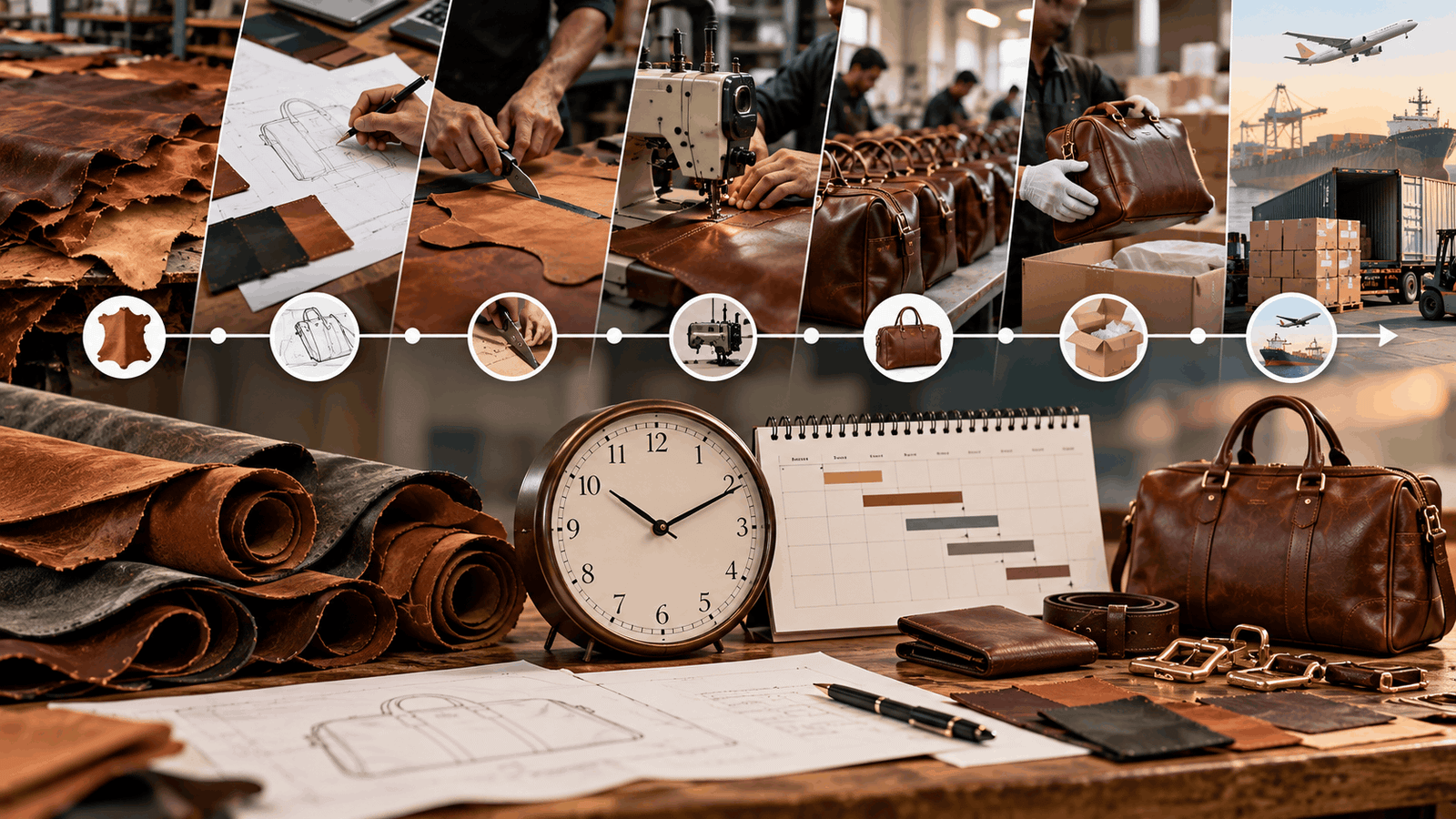
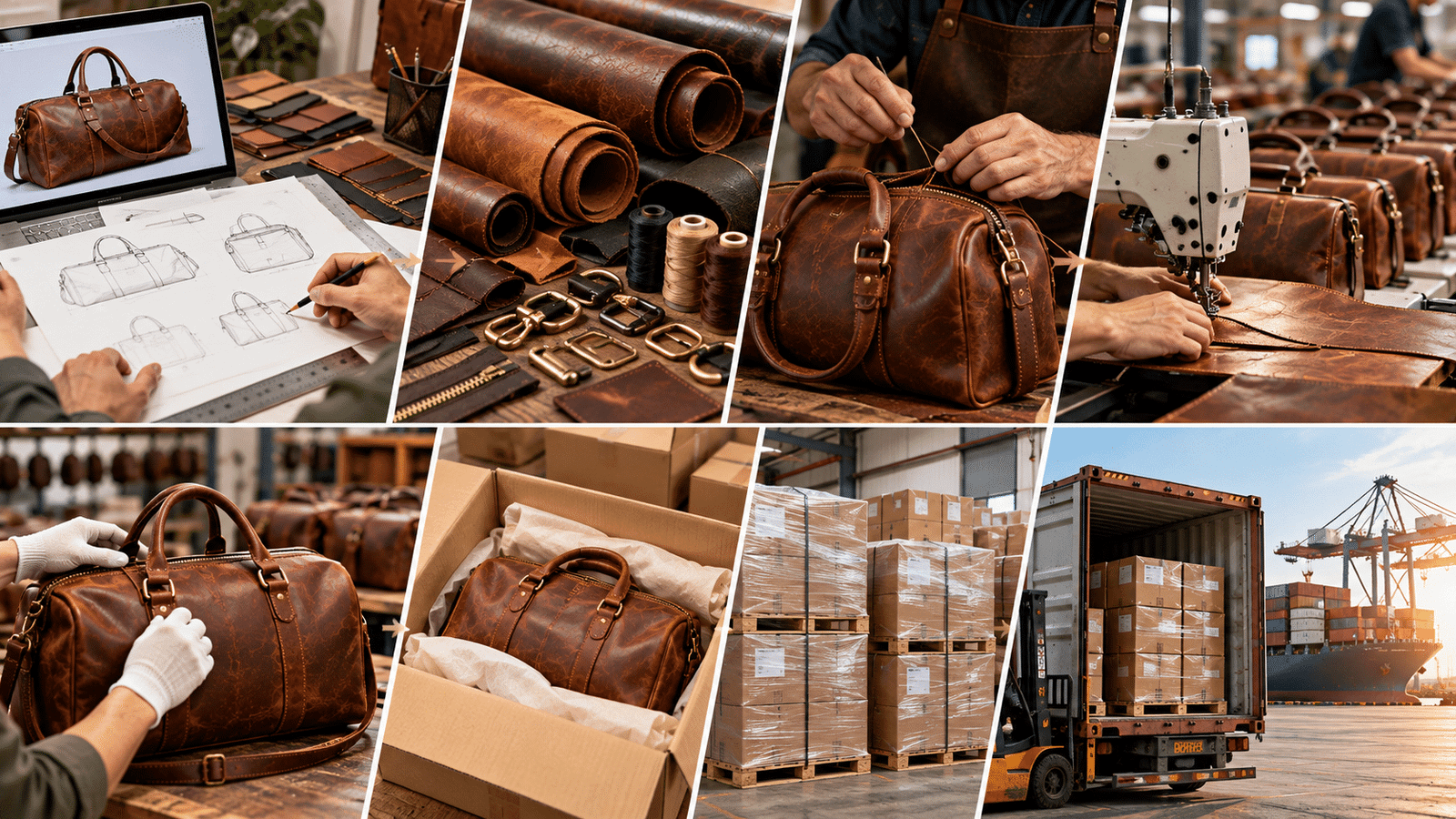
Step-by-Step Process for Importing Leather Products from Manufacturers
The following process provides a practical framework for importing leather goods for commercial use.
Step 1: Define Your Product Requirements
Before contacting manufacturers, establish exactly what you want to purchase.
Document the product category, target customer, quantity, dimensions, leather type, colors, hardware, packaging, branding, and expected quality level. If the product is customized, provide technical drawings, reference images, or a detailed specification sheet.
Also identify your destination market and target selling price. These factors influence product selection, compliance requirements, and the maximum landed cost your business can support.
Step 2: Research and Shortlist Manufacturers
Identify suppliers with relevant experience and the ability to meet your requirements. Compare their product portfolios, manufacturing capabilities, export experience, communication, and available customization options.
A specialized B2B marketplace such as Tannorium can help buyers discover leather manufacturers, suppliers, and exporters across different product categories.
Use the marketplace or supplier directory as a starting point for research, then conduct your own due diligence before placing an order.
Step 3: Request Quotations and Compare Pricing
Send each shortlisted manufacturer the same product specifications and order quantity. Ask for a detailed quotation covering:
- Unit price and currency.
- Minimum order quantity.
- Sample and development costs.
- Customization, branding, and packaging costs.
- Production lead time.
- Payment terms.
- Shipping options and delivery terms.
- Quotation validity and any additional charges.
Clarify whether the quoted price covers only manufacturing or includes freight and other services. Where applicable, agree on the relevant Incoterms rule and the named place or port so both parties understand their responsibilities and cost allocation.
Step 4: Order Samples and Approve Specifications
Request a sample before authorizing bulk production, especially when purchasing a new design or working with an unfamiliar supplier.
Inspect the sample for leather quality, color, dimensions, stitching, hardware, construction, functionality, and finishing. If branding is required, check logo placement, labels, and packaging.
Document any changes and obtain a revised sample when necessary. Keep a record of the approved sample and specifications so they can serve as the reference for production and inspection.
Step 5: Confirm Minimum Order Quantity and Payment Terms
Manufacturers set MOQs according to factors such as product complexity, material availability, setup requirements, and customization. Some may permit smaller trial orders, while others require larger quantities.
Before confirming the purchase, establish the final quantity, unit price, payment schedule, production start conditions, and delivery timeline in writing.
Avoid sending payment based solely on informal assurances. Verify the supplier and confirm that the payment beneficiary matches the agreed business arrangement.
Step 6: Approve Production and Quality Standards
Once the order is confirmed, the manufacturer should work from the approved specifications. Agree on acceptable tolerances, material requirements, workmanship standards, packaging, and inspection procedures.
For larger orders, consider an in-process or pre-shipment inspection by qualified personnel. Inspection criteria should be agreed in advance, including how defects will be documented and addressed.
Do not assume that approval of a single sample guarantees every bulk unit will be identical. Production monitoring helps identify inconsistencies before shipment.
Step 7: Arrange Shipping and Prepare Export Documents
Choose a shipping method based on shipment size, urgency, budget, and destination. Confirm who will book the freight, arrange cargo insurance if required, prepare export documents, and coordinate delivery.
The supplier, freight forwarder, customs broker, and importer should agree on responsibilities before the goods leave the factory.
Prepare the commercial invoice, packing list, transport document, and any required origin or product-specific documentation. Ensure the product descriptions, quantities, values, and other shipment details are consistent across documents.
Step 8: Complete Customs Clearance and Receive Your Order
Before shipment, confirm the applicable customs classification, duty rate, taxes, import permits, and product requirements in the destination country. A customs broker can help determine the documentation and procedures relevant to your shipment.
Once the goods arrive, complete the required clearance process and arrange delivery to your warehouse or business location.
Inspect the received products against the approved sample, purchase order, and written specifications. Photograph and document discrepancies promptly, then follow the agreed process for resolving quality or quantity issues.
How to Evaluate Leather Quality Before Importing
Leather quality directly affects product appearance, performance, durability, and price. Buyers should evaluate the complete product rather than relying on a supplier’s description alone.
Understand Genuine Leather and Different Leather Grades
Ask the manufacturer to identify the leather type and grade accurately. Terms such as full-grain, top-grain, suede, and genuine leather describe different material characteristics and should not be treated as interchangeable quality guarantees.
The right choice depends on the product’s intended use, appearance, durability requirements, and budget. Review leather terminology every buyer should know if you need clarification on common material terms.
Check Material Consistency, Stitching, and Hardware
Inspect leather thickness, surface consistency, color, flexibility, and finishing. Natural leather can contain variations, so define which characteristics are acceptable and which defects are unacceptable.
Also examine seam strength, stitch consistency, zipper operation, buckles, rivets, lining, and edge finishing. Construction quality is particularly important for products exposed to frequent use or load-bearing stress.
Review Color, Finishing, Sizing, and Durability
Confirm the approved color standard, dimensions, measurements, and finish. For garments, review sizing and fit; for bags, examine capacity, handles, straps, and closures.
When durability is important, discuss suitable tests or inspection methods with the manufacturer. The appropriate checks depend on the product and its intended use.
Request Pre-Shipment Inspections
For substantial orders, a pre-shipment inspection can help identify defects before goods are dispatched. An inspection may review product quantity, appearance, dimensions, workmanship, packaging, and conformity with the approved specifications.
Agree on the inspection scope and acceptance criteria before production is completed.
Establish Written Quality Specifications
A written quality specification should identify the material, dimensions, color, hardware, stitching, construction, finishing, packaging, and any relevant performance requirements.
This document creates a common reference for the buyer, manufacturer, and inspector. It also makes repeat orders easier to manage.
How Much Does It Cost to Import Leather Products?
The cost of importing leather products depends on the product category, materials, order quantity, supplier pricing, shipment method, destination country, and applicable taxes and duties.
Product Manufacturing Costs
The factory price may reflect leather selection, labor, hardware, construction, finishing, and production complexity. Customized products may also require development, tooling, or setup costs.
Request a breakdown where possible so you can compare suppliers on equivalent specifications.
Sampling, Customization, and Packaging Costs
Samples may carry separate charges for materials, labor, development, and shipping. Custom logos, labels, special hardware, and branded packaging may increase the initial cost.
Clarify whether sample or development fees can be credited against a future production order.
Shipping and Freight Charges
Freight costs depend on shipment weight and volume, route, transport method, service level, and market conditions. Other charges may include pickup, handling, documentation, warehousing, and delivery to the final destination.
Request a current quotation from a freight forwarder rather than estimating the final freight bill from product price alone.
Customs Duties, Taxes, and Clearance Fees
Import duties and taxes depend on the product’s customs classification, declared value, country of origin, destination regulations, and any applicable trade arrangements.
Some leather goods may also face product-specific restrictions or documentation requirements. Confirm the applicable rules before placing the order.
Calculate the Total Landed Cost Per Unit
The landed cost is the total cost of bringing imported products to the agreed destination, including relevant acquisition and import expenses.
Total landed cost = Product cost + Packaging + Freight + Insurance + Import duties and taxes + Clearance and handling fees
For a per-unit calculation, divide the total applicable shipment cost by the number of saleable units received. Include sampling, inspection, or other allocated costs where relevant to your business analysis.
A reliable landed-cost estimate helps you set selling prices, calculate margins, and compare suppliers based on total cost rather than factory price alone.
What Documents Are Required to Import Leather Goods?
Import documentation helps customs authorities verify the shipment’s contents, value, origin, and compliance with applicable regulations. The exact documents depend on the destination country, product classification, transport method, and commercial arrangement.
Commercial Invoice
The commercial invoice records the seller and buyer, product descriptions, quantities, prices, currency, and other transaction details. Customs authorities use this information to assess the shipment and determine applicable charges.
Ensure the invoice accurately reflects the goods being shipped and the agreed transaction value.
Packing List
The packing list describes the shipment’s contents, including package counts, product quantities, weights, and dimensions. It helps freight handlers, customs officials, and warehouse teams verify the shipment.
Check that the packing list matches the actual cargo and commercial invoice.
Bill of Lading or Air Waybill
A bill of lading is generally used for sea freight, while an air waybill accompanies air cargo. These transport documents record shipment details and relevant carriage information.
The document required and its legal function depend on the transport arrangement and applicable terms.
Certificate of Origin, Where Required
A certificate of origin identifies the country in which goods originate under the applicable origin rules. It may be required for customs purposes or to claim preferential tariff treatment under an eligible trade arrangement.
Do not assume that shipping a product from a country automatically establishes its origin there. Confirm the relevant origin requirements with your customs broker.
Customs Declarations and Product-Specific Documents
Depending on the product and destination, importers may need customs declarations, permits, licenses, test reports, or other supporting documents.
Certain exotic hides and wildlife-derived materials can be subject to additional restrictions or international wildlife-trade controls. Verify the species, documentation, and legal requirements before ordering. Also check applicable chemical, labeling, and product-safety rules for your market.
Choosing the Right Shipping Method for Leather Products
The best shipping method depends on your shipment’s size, urgency, value, and delivery requirements.
Air Freight for Urgent or Smaller Shipments
Air freight is often suitable for urgent commercial orders, higher-value goods, and shipments that need to arrive relatively quickly. It generally costs more than sea freight for comparable large-volume cargo.
Compare chargeable weight, transit time, handling fees, and final delivery arrangements before booking.
Sea Freight for Larger Commercial Orders
Sea freight is commonly considered for larger shipments where cost efficiency matters more than speed. Buyers can evaluate full-container load (FCL) or less-than-container load (LCL) services according to cargo volume.
Include port charges, customs clearance, inland transportation, and potential storage fees when comparing quotations.
Courier Services for Samples and Small Parcels
International courier services can be practical for product samples, prototypes, and small shipments. They often provide door-to-door delivery, tracking, and coordinated clearance services, although import duties and taxes may still apply.
Check the courier’s service coverage, package restrictions, delivery estimate, and additional fees before dispatch.
How to Compare Shipping Time, Cost, and Reliability
Ask each logistics provider for a quotation based on the same shipment details. Compare the estimated transit time, total charges, cargo handling, tracking, insurance options, and destination delivery arrangements.
Remember that transit time is not the same as total order lead time. Manufacturing, inspections, export processing, transportation, and customs clearance can all affect when the goods become available for sale.
Common Mistakes to Avoid When Importing Leather Products
Import problems often result from incomplete planning rather than manufacturing alone. The following mistakes are worth addressing before placing an order.
Choosing Suppliers Based on Price Alone
A low quotation may reflect different materials, reduced construction quality, limited services, or excluded costs. Compare quotations against identical specifications and evaluate the supplier’s ability to deliver consistently.
Skipping Samples and Quality Inspections
Approving bulk production without reviewing a sample increases the risk of receiving products that do not meet expectations. Request samples and establish appropriate inspection procedures before production.
Ignoring Minimum Order Quantities
MOQ requirements can affect inventory investment, cash flow, and product profitability. Confirm quantities per style, color, and customization option before finalizing the order.
Underestimating Customs and Shipping Costs
Freight, duties, taxes, handling, insurance, and clearance fees can significantly increase the final cost. Estimate the total landed cost before setting a selling price or committing to a purchase.
Overlooking Import Restrictions and Documentation
Incorrect product classification, missing documents, or unverified compliance requirements can cause delays and additional expenses. Confirm destination-country requirements before the supplier dispatches the shipment.
Failing to Confirm Payment and Delivery Terms
Unclear payment schedules, production deadlines, delivery responsibilities, and quality remedies can create disputes. Record the agreed terms in writing and make sure both parties understand their obligations.
How to Build a Long-Term Relationship with a Leather Manufacturer
A dependable manufacturing relationship can improve production planning, product consistency, and repeat-order efficiency.
Communicate Product Specifications Clearly
Provide complete specifications and keep an approved sample or reference record. Document changes to materials, dimensions, branding, or construction so the manufacturer does not have to rely on informal instructions.
Set Realistic Production and Delivery Timelines
Discuss raw material availability, production capacity, sampling, inspection, and shipping schedules before confirming deadlines. Allow contingency time for revisions and unexpected delays.
Maintain Consistent Quality Standards
Use the same documented acceptance criteria across orders. Review defects, customer feedback, and inspection findings with the manufacturer to identify recurring problems and agree on corrective actions.
Plan Repeat Orders and Future Customization
Share realistic demand forecasts when possible and discuss capacity before seasonal or high-volume periods. Once a product has been approved, maintain its specifications and document any changes to the next production run.
Long-term cooperation works best when expectations, responsibilities, and commercial terms remain clear for both parties.
Why Work Directly with an Experienced Leather Products Manufacturer?
An experienced manufacturer can help buyers understand material options, assess product feasibility, and translate design requirements into production specifications. This can be especially useful for businesses developing custom collections or private-label products.
However, manufacturing experience should be verified through relevant product examples, samples, production capabilities, quality-control procedures, and export experience.
Tannorium helps buyers discover leather manufacturers, suppliers, and exporters through a dedicated global leather marketplace. Buyers can explore product categories, review supplier information, and identify potential partners for wholesale sourcing and custom manufacturing.
Before choosing a supplier through any marketplace, request quotations, evaluate samples, verify credentials, and agree on product specifications and delivery terms. The goal is to identify a manufacturing partner that meets your business requirements and can support consistent quality as your order volume grows.
Frequently Asked Questions About Importing Leather Products
How do I import leather products from a manufacturer?
Define your product specifications, shortlist suitable manufacturers, verify suppliers, request quotations, and approve samples before confirming a bulk order. Then agree on payment and delivery terms, prepare the required documentation, arrange shipping, and complete customs clearance. Inspect the products on arrival to ensure they match the approved specifications.
How can I find reliable leather goods manufacturers?
Search manufacturer websites, industry directories, trade exhibitions, referrals, and specialized B2B marketplaces. Evaluate each supplier’s product expertise, manufacturing capacity, export experience, quality-control procedures, and communication. Request samples and supporting business information before placing a substantial order.
What is the minimum order quantity for leather products?
The minimum order quantity varies by manufacturer, product category, leather type, design complexity, and customization requirements. Standard products may have different MOQs from fully customized products. Ask suppliers to confirm minimum quantities per style, color, and material, and determine whether a smaller trial order is possible.
How much does it cost to import leather goods?
The total cost includes manufacturing, packaging, shipping, insurance, applicable import duties and taxes, and clearance and handling charges. Sample development and inspection may add further expenses. The final amount depends on the product, order quantity, shipping method, customs classification, and destination country.
How long does international shipping take for leather products?
Delivery time depends on production lead time, sample approval, shipment preparation, transport method, route, and customs clearance. Air freight is generally faster than sea freight, but the total order timeline also includes manufacturing and inspection. Request separate production and transit estimates from the supplier and freight provider.
What documents are required to import leather products?
Common documents include a commercial invoice, packing list, and bill of lading or air waybill. A certificate of origin, customs declarations, permits, or product-specific documents may also be required. Requirements vary by destination, product classification, origin, and material, so confirm them before shipment.
How can I verify the quality of leather products before shipment?
Request and approve a sample, document material and construction specifications, and establish measurable inspection criteria. Check leather quality, color, dimensions, stitching, hardware, finishing, and packaging. For larger orders, consider an independent pre-shipment inspection to identify discrepancies before the goods leave the factory.
Can I import custom or private-label leather products?
Yes. Many manufacturers offer custom and private-label production, subject to their capabilities and order requirements. Buyers may customize designs, leather types, colors, dimensions, hardware, logos, labels, and packaging. Confirm development costs, MOQs, production timelines, branding permissions, and ownership of custom designs in writing.
Which shipping method is best for bulk leather goods?
Sea freight is often worth considering for large commercial shipments because of its potential cost advantages. Air freight may be preferable for urgent orders or smaller, higher-value consignments. Compare total logistics costs, transit times, cargo handling, insurance, and destination delivery requirements before choosing.
Are there restrictions on importing certain types of leather?
Yes. Restrictions depend on the animal species, product, country of origin, and destination regulations. Certain wildlife-derived materials may require permits or additional documentation. Importers should also check applicable product-safety, chemical, labeling, and customs requirements before placing an order.
Conclusion: Start Importing Leather Products with Confidence
Successfully importing leather products from manufacturers requires careful supplier selection, clear product specifications, quality control, realistic cost planning, and proper shipping and customs preparation.
Start by identifying the products your customers need, then compare manufacturers based on relevant experience, material quality, production capacity, and commercial terms. Request samples, document the approved specifications, calculate the total landed cost, and verify import requirements before confirming your order.
For businesses seeking wholesale leather goods or custom manufacturing partners, Tannorium provides a starting point for discovering suppliers across the global leather industry. Conduct appropriate due diligence before committing to a purchase, and prioritize long-term reliability over the lowest initial quotation.
A structured import process helps you make informed sourcing decisions, manage avoidable risks, and build a more dependable leather product supply chain.