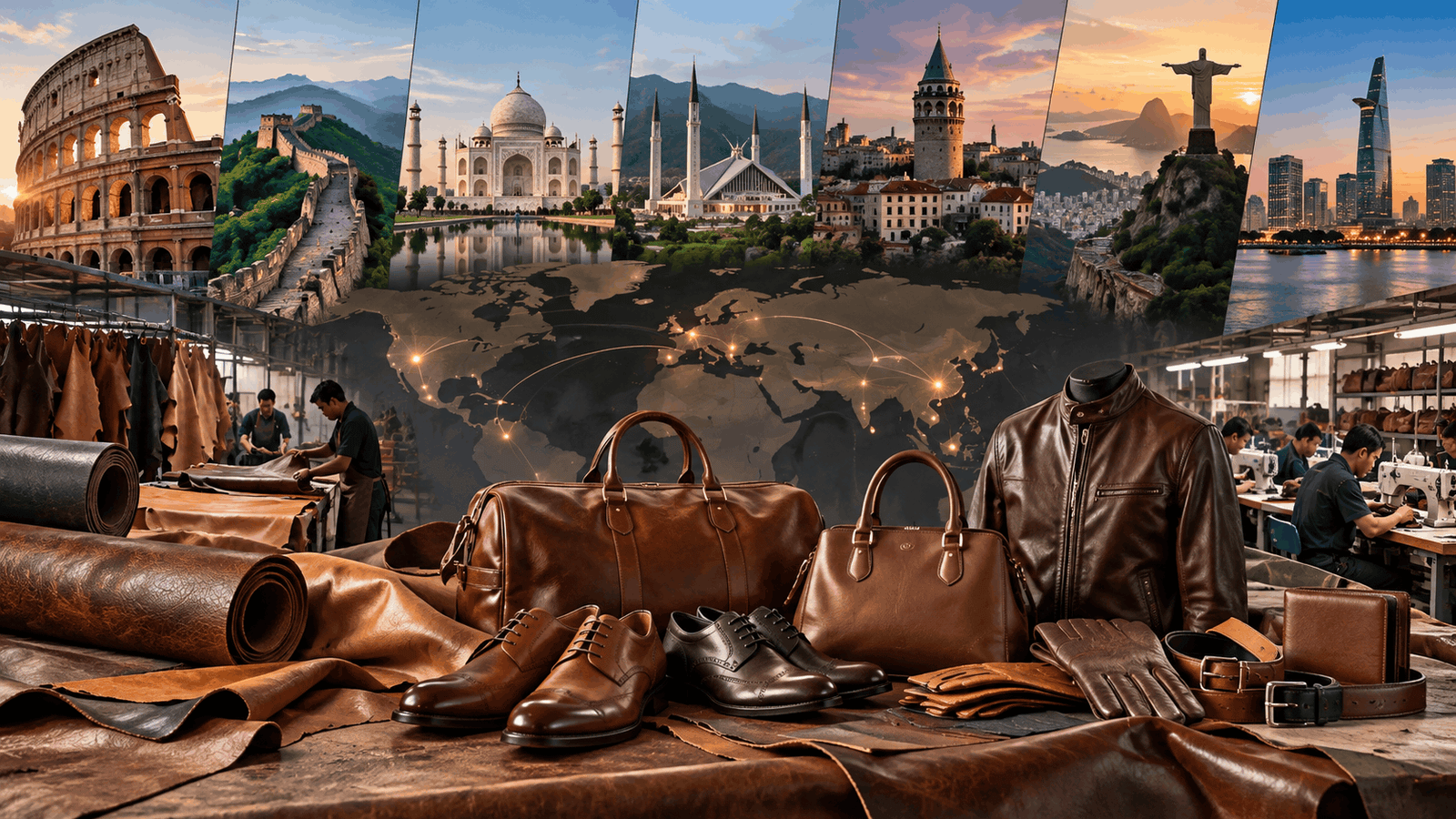
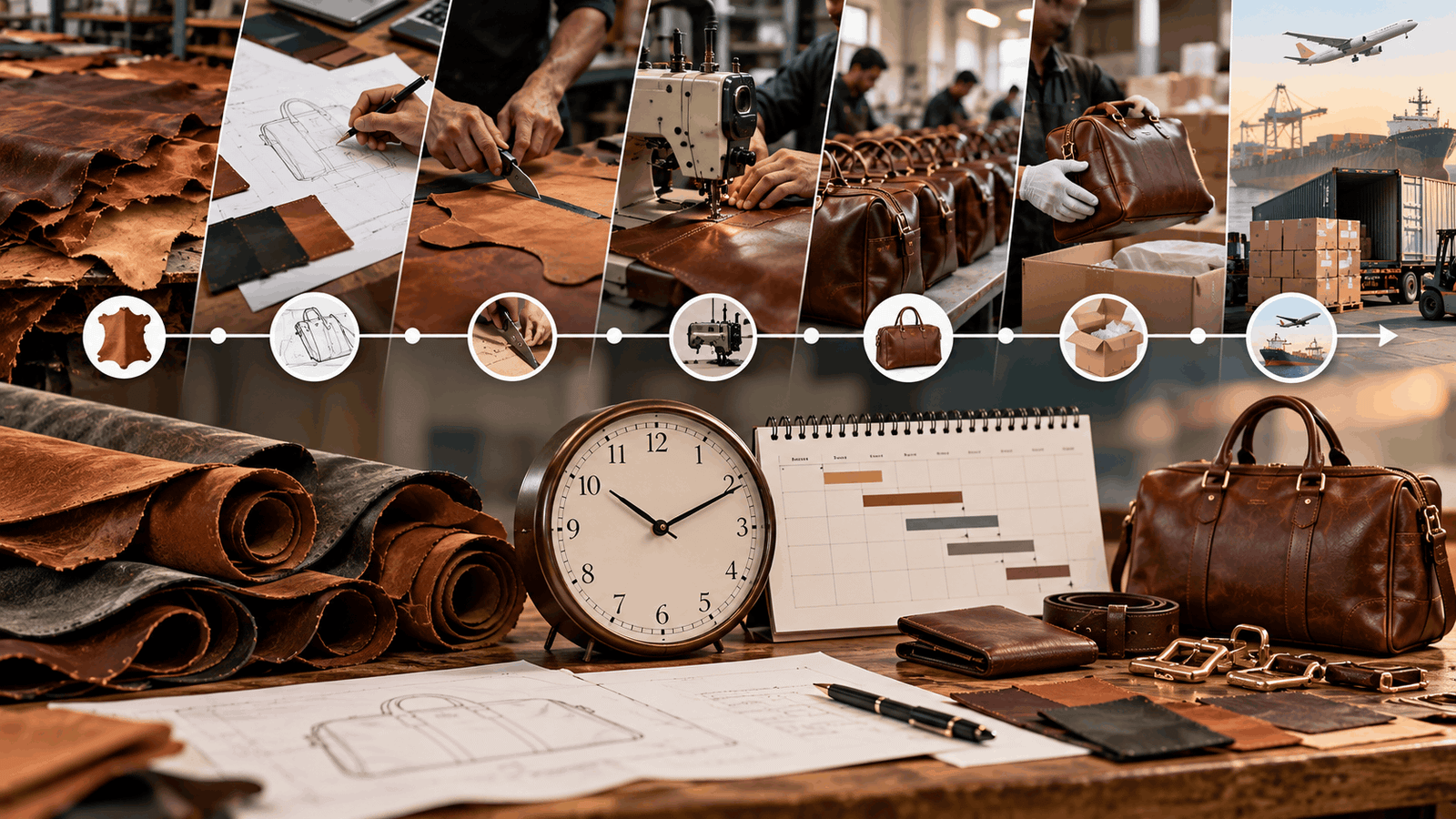
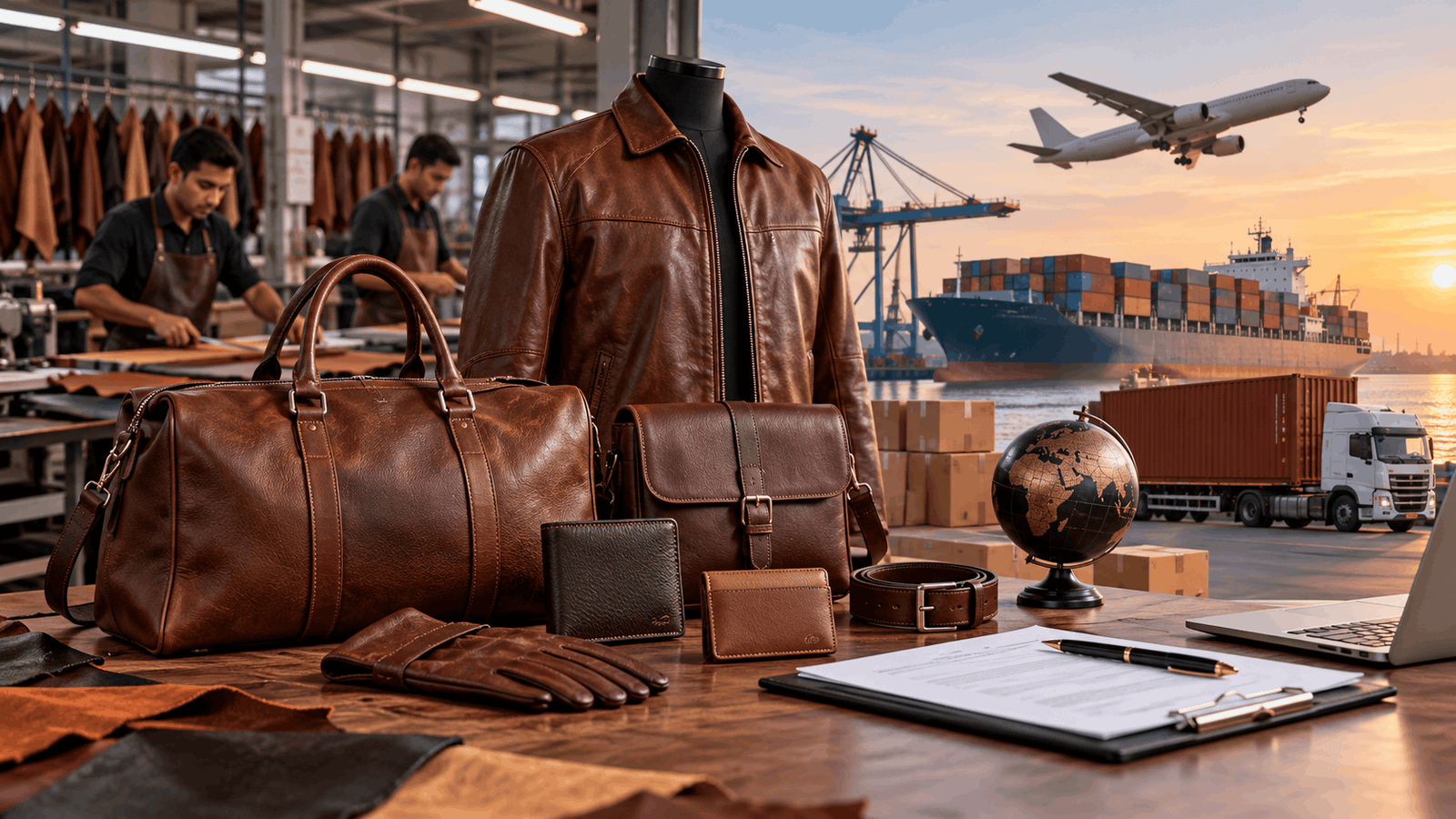
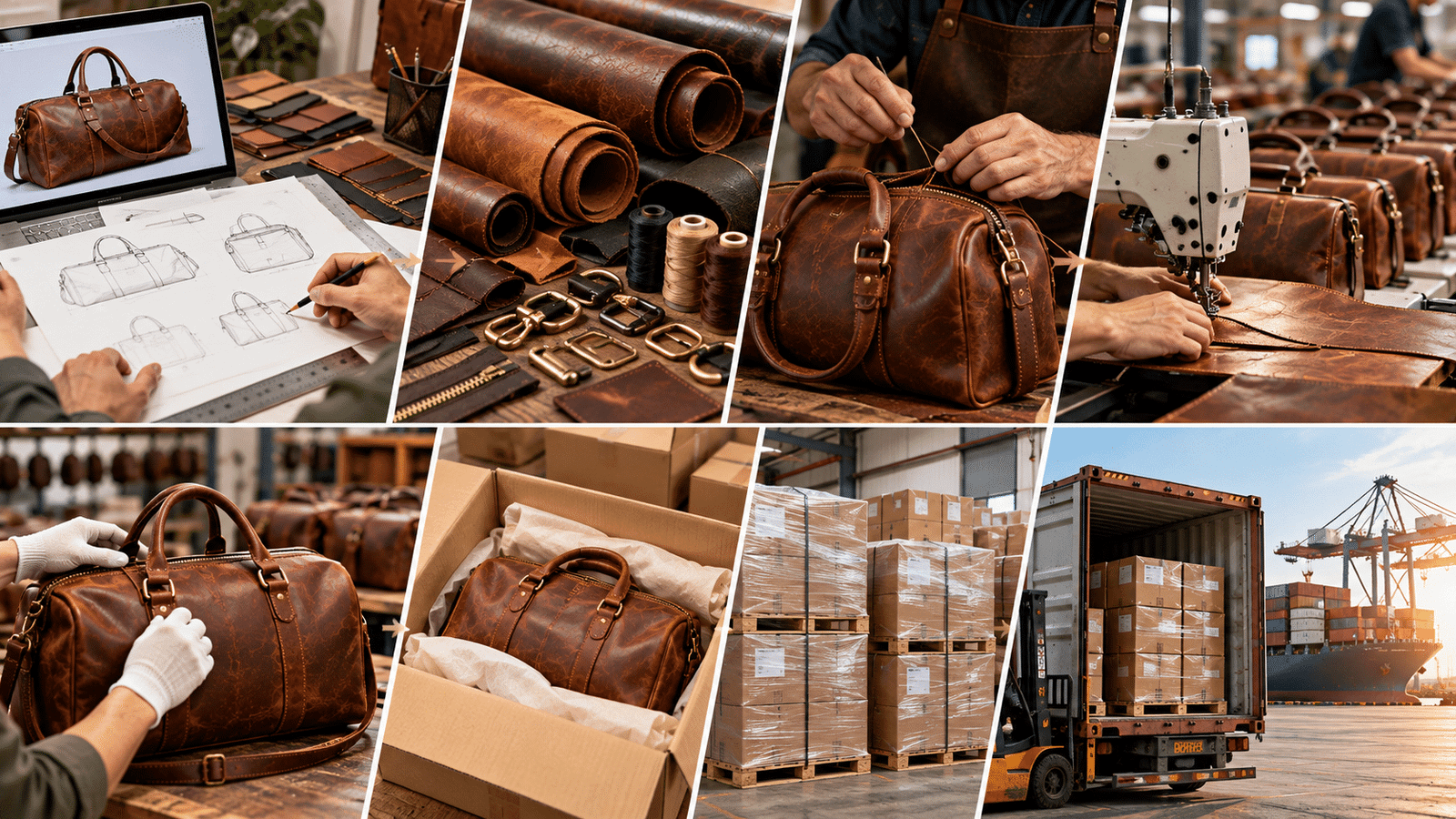
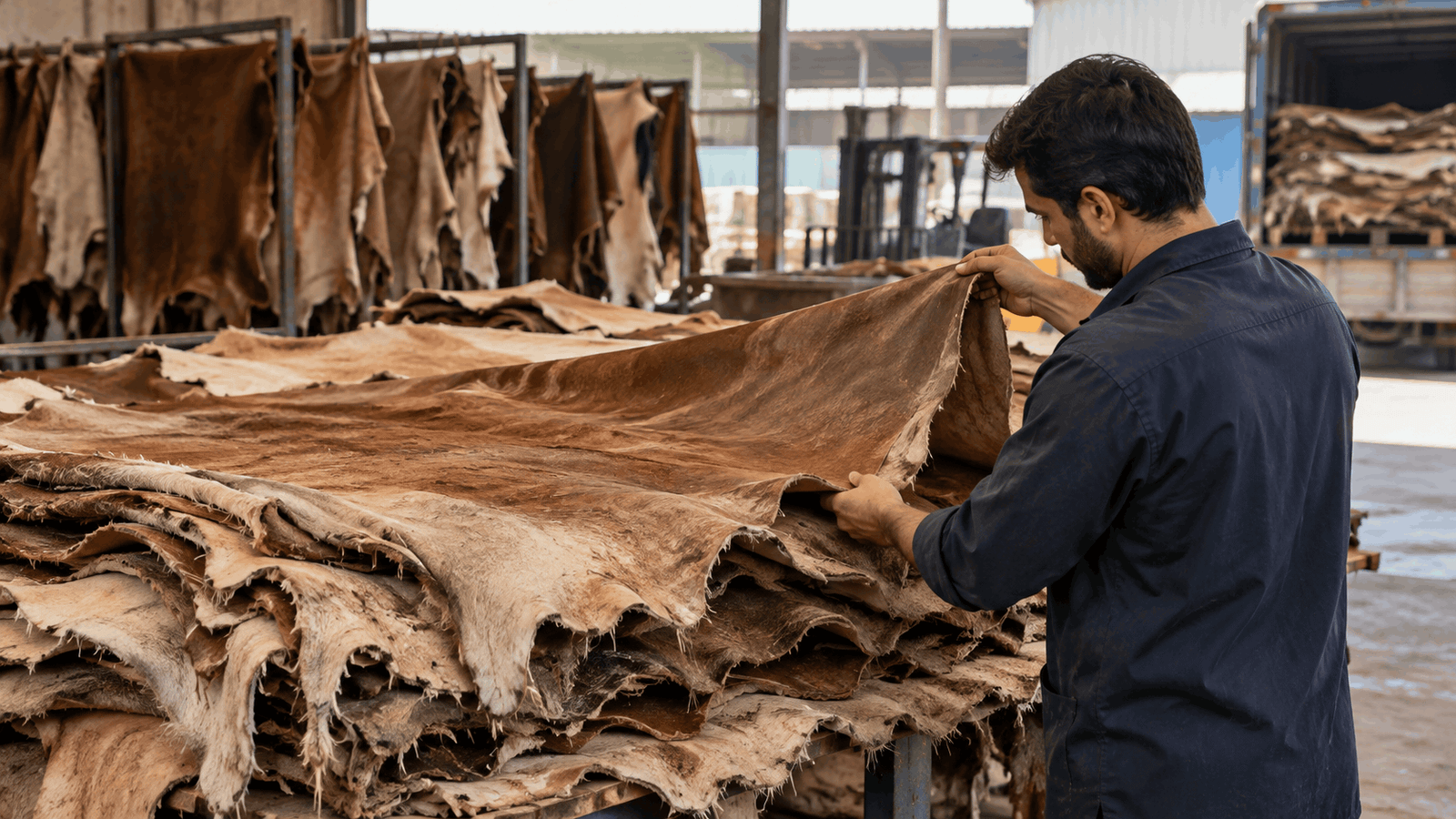
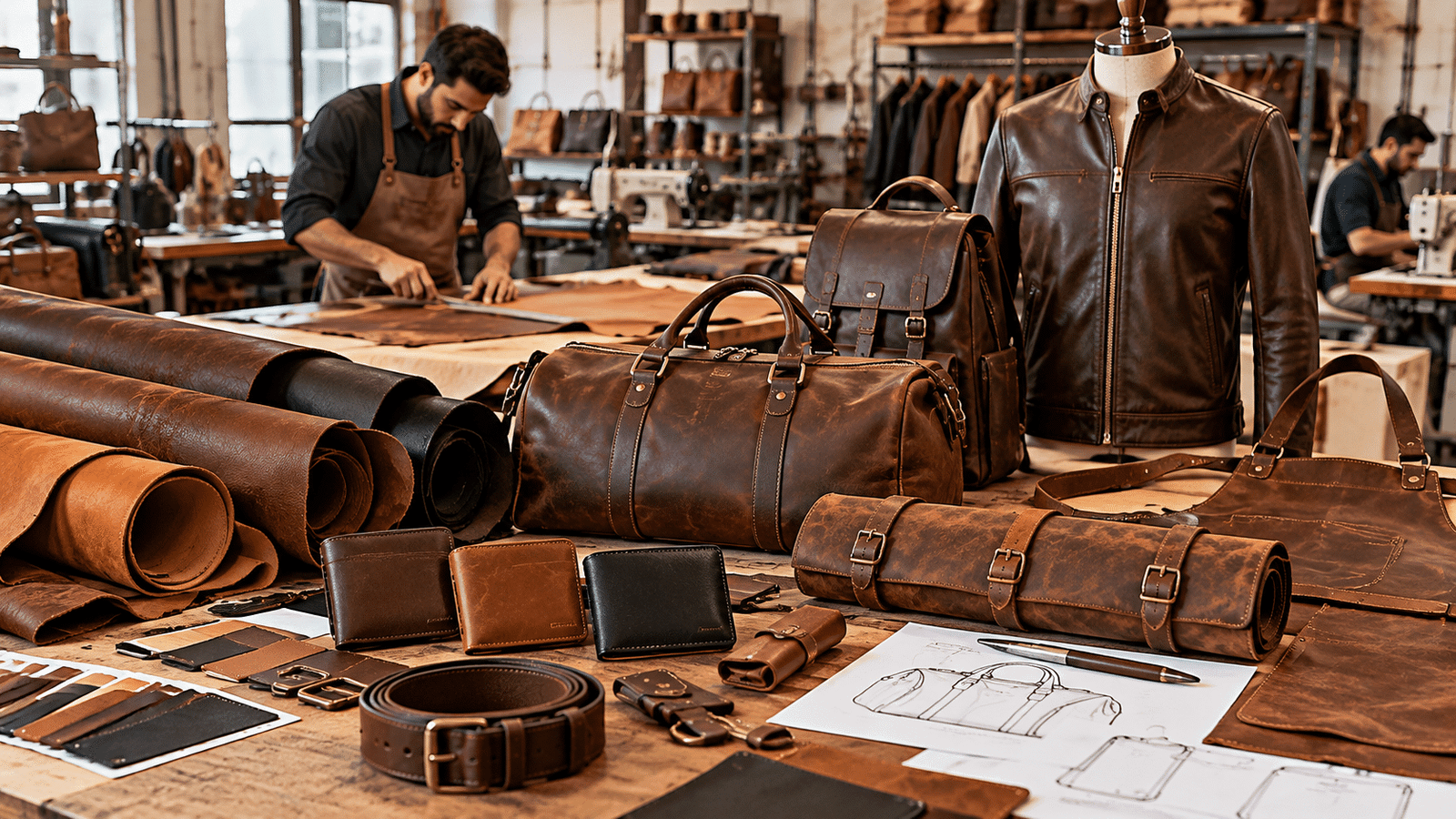
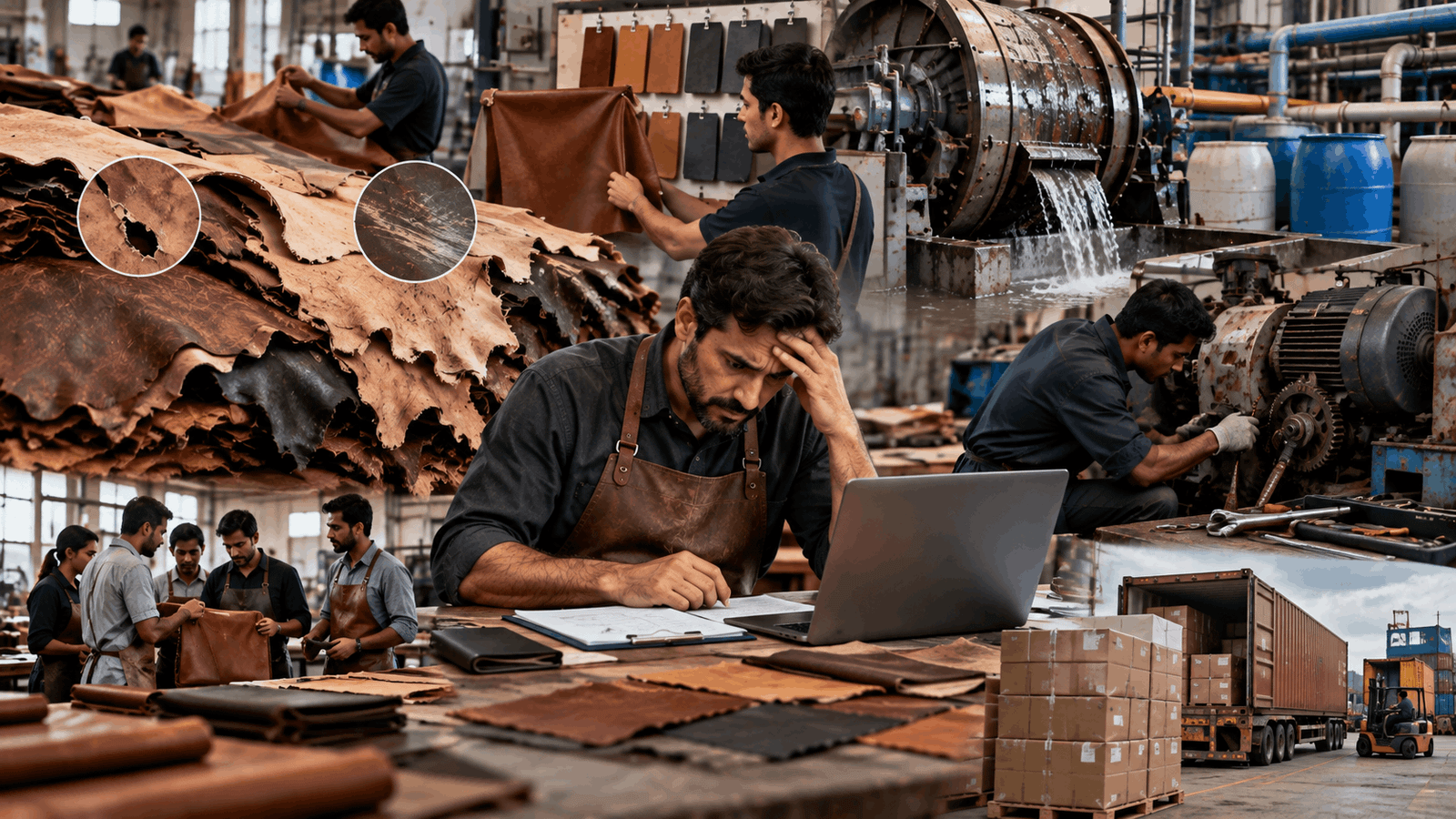
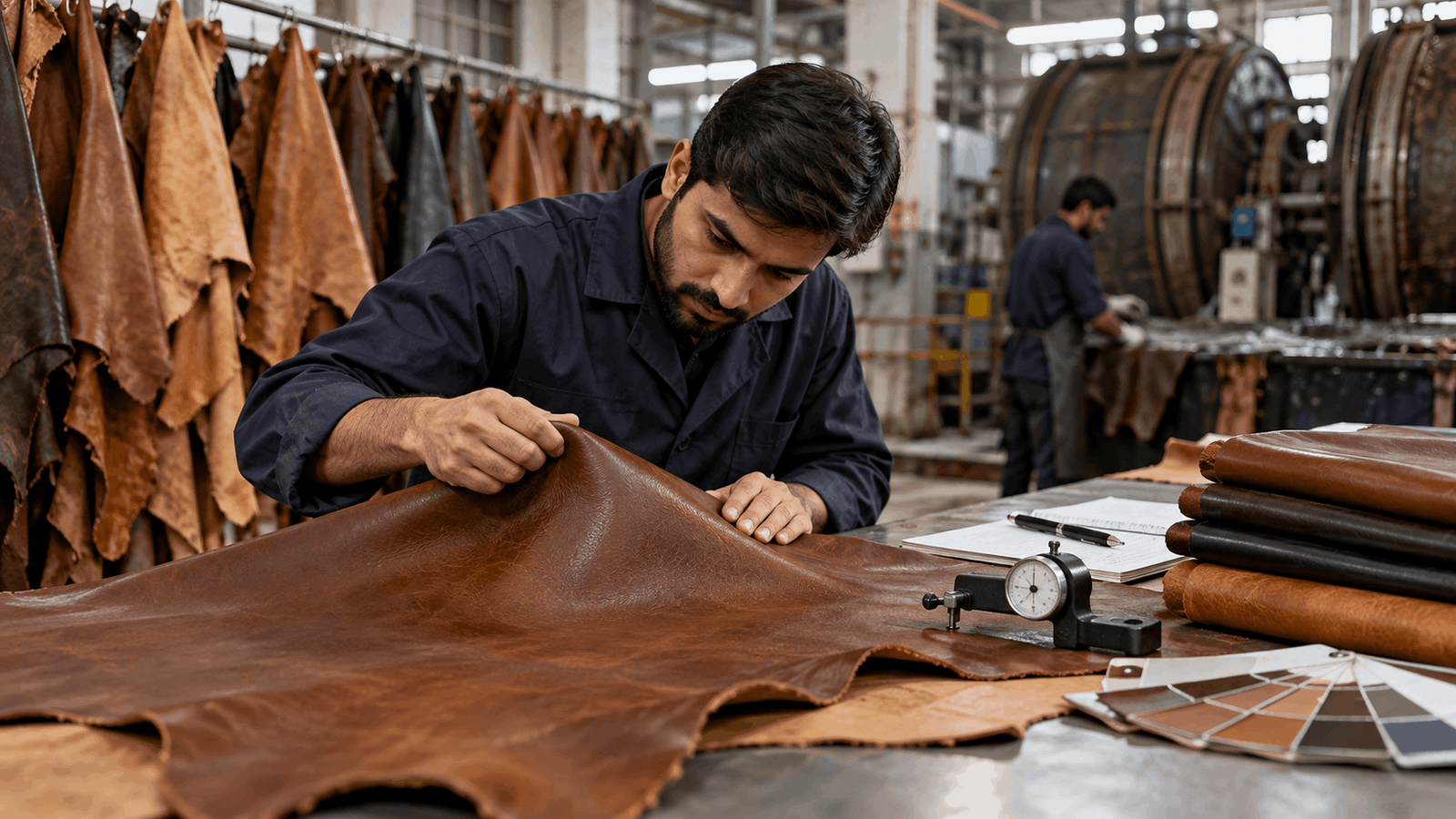
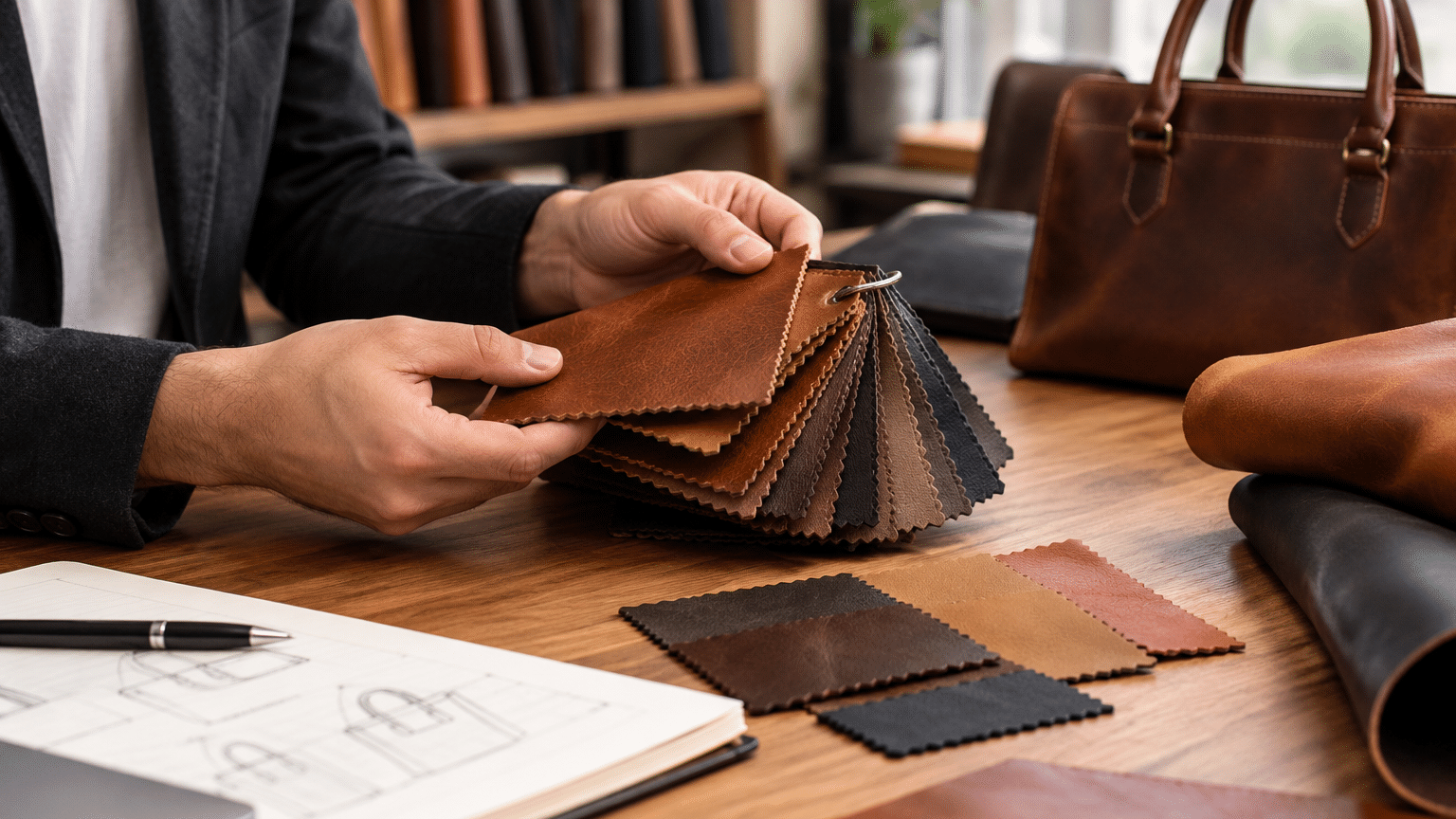
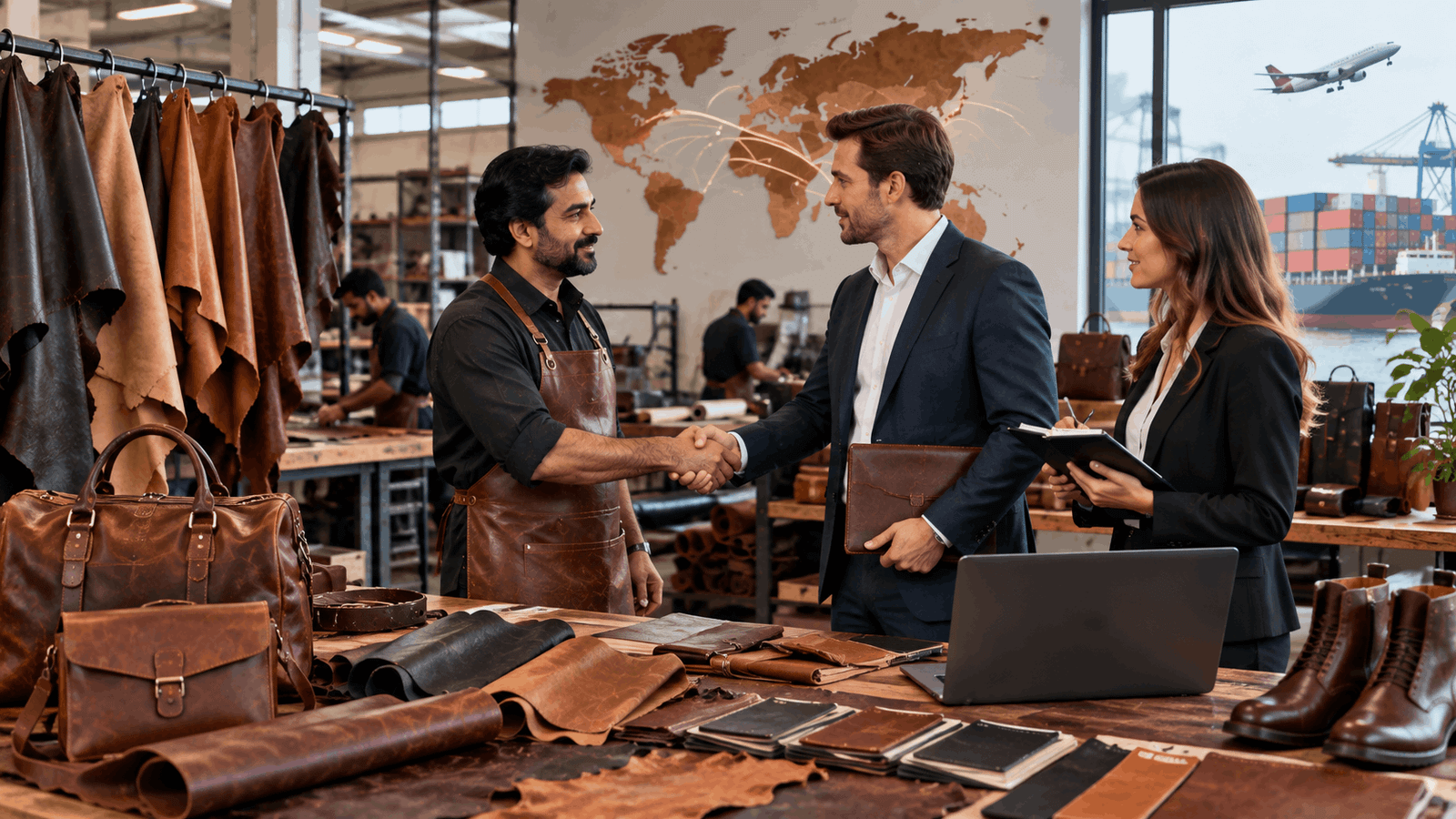
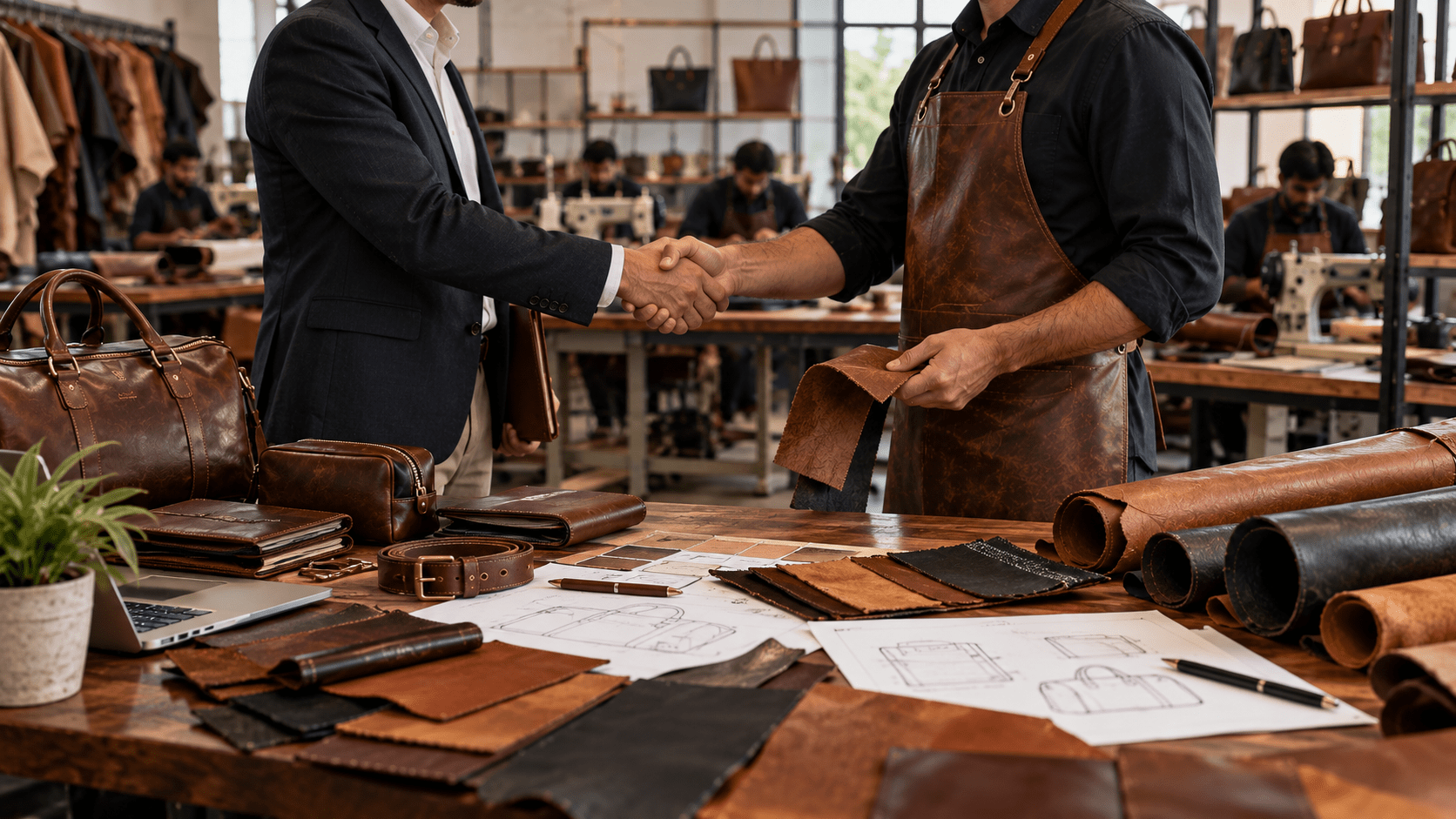
Global leather manufacturing involves raw hide processing, leather tanning, material finishing, and finished product production across different countries. From luxury handbags and leather jackets to footwear, gloves, automotive upholstery, and custom accessories, each manufacturing hub offers specialized capabilities.
For brands, wholesalers, retailers, and importers, choosing the right country can affect product quality, production costs, customization options, delivery timelines, and long-term supplier relationships.
However, the best sourcing destination is not always the cheapest or the one with the largest factories. Italy is known for premium leather and luxury finishing, China for large-scale production, India for diverse leather goods and footwear, Pakistan for specialized leather products, Turkey for fashion-oriented manufacturing, Brazil for hide processing, and Vietnam for footwear production.
Understanding these differences helps buyers compare manufacturing options, identify suitable suppliers, and make informed sourcing decisions based on their product requirements, budget, order volume, and target market.
Which Country Is Best for Leather Manufacturing?
There is no single best country for every leather manufacturing requirement. Italy is a strong option for luxury leather and premium finishing, China for large-scale production, India for footwear and diverse leather goods, Pakistan for leather garments and gloves, Turkey for fashion products, Brazil for hides and upholstery leather, and Vietnam for footwear manufacturing.
The best country depends on the type of product you need, your quality expectations, production volume, budget, customization requirements, and target market.
For example, a luxury handbag brand may prioritize material selection and finishing expertise, while a wholesaler ordering thousands of accessories may focus on production capacity, consistency, and total landed cost. A startup developing a custom leather jacket collection may prioritize sample development, flexible customization, and communication with its manufacturer.
Instead of ranking countries universally, buyers should compare manufacturing capabilities against their specific business requirements.
Top Leather Manufacturing Countries in the World
1 Italy: Premium Leather and Luxury Manufacturing
Italy is an established destination for premium leather, luxury fashion, and high-end leather finishing. Its industry serves footwear, handbags, fashion accessories, furniture, automotive interiors, and other applications requiring specialized materials and craftsmanship.
Specialties: Premium finished leather, luxury handbags, designer accessories, footwear, and high-end leather goods.
Key advantages: Expertise in tanning and finishing, established leatherworking traditions, design capabilities, and access to specialized manufacturing networks.
Ideal buyers: Luxury brands, premium fashion labels, and businesses requiring distinctive finishes or high-end product development.
Limitations: Costs may be higher for certain specialized materials and manufacturing services. Buyers should confirm pricing, production capacity, and customization options directly with individual suppliers.
Italy is particularly worth considering when material appearance, finishing consistency, and product positioning are central to a brand’s value proposition.
2 China: Large-Scale Leather Goods Production
China offers a broad manufacturing ecosystem covering leather goods, footwear, bags, accessories, and related components. Its established supplier networks can support businesses that require coordinated production, multiple product categories, and scalable manufacturing.
Specialties: Leather bags, wallets, footwear, accessories, and finished leather products.
Key advantages: Extensive supplier networks, component sourcing, manufacturing infrastructure, and options for different production volumes.
Ideal buyers: Established brands, wholesalers, retailers, and importers requiring repeatable production or large product assortments.
Limitations: Manufacturing quality, material specifications, and customization capabilities vary by factory. Buyers must verify whether a supplier manufactures products directly or outsources part of the production process.
China can be a suitable option when production scalability and coordinated sourcing are important, provided the selected factory meets the buyer’s specifications.
3 India: Leather Footwear and Export Manufacturing
India has an established leather industry spanning tanning, finished leather, footwear, bags, wallets, belts, and other leather goods. Its manufacturing base supports both domestic businesses and international buyers.
Specialties: Leather footwear, handbags, wallets, belts, accessories, and finished leather.
Key advantages: Diverse product capabilities, established export-oriented manufacturing, and suppliers serving different market segments.
Ideal buyers: Footwear brands, fashion businesses, wholesalers, and companies sourcing multiple categories of leather goods.
Limitations: Production standards, leather grades, minimum order quantities (MOQs), and finishing quality differ between suppliers. Buyers should evaluate individual factories rather than assuming uniform capabilities across the country.
India is worth considering for businesses seeking a broad selection of leather products and manufacturers with export experience.
4 Turkey: Leather Garments and Fashion Products
Turkey is a relevant manufacturing destination for leather garments, footwear, fashion accessories, and upholstery applications. Its position connecting European and Asian markets can also be useful for businesses evaluating regional sourcing options.
Specialties: Leather jackets, fashion garments, footwear, and upholstery leather.
Key advantages: Fashion-oriented production capabilities, garment development expertise, and access to manufacturers serving international markets.
Ideal buyers: Fashion brands, outerwear labels, and businesses developing leather garments or coordinated collections.
Limitations: Costs, production capacity, and lead times vary by supplier. Buyers should also evaluate shipping arrangements and the suitability of each factory for their target market.
Turkey can be a strong candidate when garment construction, design execution, and fashion-focused manufacturing are priorities.
5 Pakistan: Leather Goods, Garments, and Sportswear
Pakistan is an established leather manufacturing and exporting country with capabilities across leather garments, gloves, footwear, sports-related products, and other finished goods. Sialkot is particularly relevant for specialized gloves and sports manufacturing, while Karachi, Lahore, and Kasur are among the country’s important leather industry centres.
Specialties: Leather jackets, protective gloves, sports leather goods, footwear, and custom leather products.
Key advantages: Specialized manufacturing skills, export experience, and opportunities for OEM and private-label production.
Ideal buyers: Leather brands, wholesalers, sports goods businesses, and importers looking for custom products or specialized manufacturing partners.
Limitations: Capabilities vary considerably between factories. Buyers should verify quality-control systems, material sourcing, production capacity, environmental compliance, and the manufacturer’s experience with the required export market.
Pakistan is particularly worth evaluating for leather jackets, gloves, and specialized leather goods. Businesses can also review Tannorium’s guide to Pakistan’s leather industry, exports, and trade for additional sourcing context.
6 Brazil: Leather Hides and Automotive Upholstery
Brazil is an important cattle-producing country and a relevant source of hides and leather for downstream industries. Its leather sector serves footwear, furniture, automotive upholstery, and other applications requiring processed leather materials.
Specialties: Cattle hides, finished leather, footwear materials, and upholstery leather.
Key advantages: Access to a substantial cattle industry and established hide-processing capabilities.
Ideal buyers: Tanneries, footwear manufacturers, furniture businesses, and automotive upholstery suppliers.
Limitations: Buyers must assess hide grading, consistency, finishing requirements, traceability, and environmental standards. A strong raw-material supply base does not automatically mean every supplier is suitable for finished consumer goods.
Brazil is worth considering when the primary requirement is leather material rather than a fully manufactured fashion product.
7 Vietnam: Footwear and Export-Oriented Production
Vietnam is an established export manufacturing destination for footwear and related products. Its wider footwear supply chain can be relevant to international brands seeking production partners for large or recurring orders.
Specialties: Footwear, shoes incorporating leather, and related accessories.
Key advantages: Export-oriented manufacturing networks and experience serving international footwear markets.
Ideal buyers: Footwear brands, retailers, and importers requiring organized production for domestic or international distribution.
Limitations: Vietnam’s overall footwear capabilities should not be confused with universal specialization in leather goods. Buyers must confirm the factory’s experience with genuine leather, the required construction method, and any specific product category.
Vietnam is a practical option for buyers evaluating footwear manufacturing, particularly when production consistency and export readiness are important.
Global Leather Manufacturing Hubs: Country Comparison
The following table summarizes the main strengths of each country. These are sourcing guidelines, not a universal quality or cost ranking.
| Country |
Main strength |
Best suited for |
| Italy |
Premium leather and finishing |
Luxury brands and high-end goods |
| China |
Large-scale manufacturing |
High-volume orders and varied products |
| India |
Diverse leather production |
Footwear, bags, and accessories |
| Turkey |
Fashion-oriented manufacturing |
Leather garments and footwear |
| Pakistan |
Specialized leather products |
Gloves, jackets, and sports goods |
| Brazil |
Hide supply and processing |
Upholstery and footwear leather |
| Vietnam |
Export-oriented production |
Footwear and related products |
A buyer sourcing luxury handbags may prioritize Italian finishing expertise, whereas a company developing a large footwear collection may compare suppliers in India, China, and Vietnam. A brand requiring custom leather jackets or gloves may find Pakistan and Turkey relevant to its shortlist.
The final decision should be based on verified factory capabilities, approved samples, commercial terms, and compliance requirements.
Which Country Is Best for Different Leather Products?
The most suitable manufacturing country changes according to the product category and production requirements.
– Best Country for Leather Jackets and Garments
Pakistan and Turkey are worth shortlisting for leather jackets and garments, while Italy is relevant for premium fashion positioning. Compare leather selection, pattern development, sizing consistency, stitching, lining, hardware, and finishing before choosing a supplier.
– Best Country for Leather Gloves
Pakistan is an important option for leather gloves, particularly when specialized glove manufacturing is required. The right factory depends on glove type, fit, material, protective performance, and applicable product standards.
– Best Country for Leather Shoes and Footwear
India, China, and Vietnam are relevant footwear sourcing destinations. Evaluate construction methods, outsole materials, sizing systems, finishing, production capacity, and the factory’s experience with your specific footwear category.
– Best Country for Leather Bags and Handbags
China, India, and Italy are useful options to compare, depending on the product’s positioning. Buyers should assess leather quality, pattern accuracy, hardware, stitching, edge finishing, branding, and packaging requirements.
– Best Country for Automotive and Upholstery Leather
Italy and Brazil are relevant candidates for different parts of the automotive and upholstery supply chain. Italy is associated with specialized finished leather, while Brazil is relevant to hide supply and processing. Buyers must verify material performance, traceability, and applicable automotive or furniture specifications.
– Best Country for Premium Finished Leather
Italy is a strong option to evaluate for premium finished leather. However, the best material depends on the required grain, thickness, tanning method, color consistency, surface finish, durability, and intended application.
– Best Country for OEM and Private-Label Manufacturing
China, India, and Pakistan are worth comparing for OEM and private-label leather production, with Turkey and Italy also relevant for selected product categories. The best partner is the factory that can develop your specifications, meet the required MOQ, protect agreed design and branding requirements, maintain consistent quality, and deliver within your commercial timeline.
For a clearer understanding of manufacturing arrangements, see Tannorium’s guide to OEM vs. private-label leather manufacturing.
China vs. Italy vs. India vs. Pakistan vs. Turkey
These five countries are frequently considered by buyers evaluating leather goods manufacturing. Their suitability depends on the product and the individual factory.
| Factor |
What buyers should compare |
| Manufacturing capacity |
Monthly output, available equipment, workforce, and repeat-order capacity |
| Leather quality |
Hide selection, grade, thickness, tanning method, and finishing |
| Production costs |
Unit price, tooling, packaging, inspection, freight, and duties |
| MOQ |
Minimum order for each style, color, size, and material |
| Customization |
Design development, patterns, hardware, labels, and packaging |
| Export experience |
Destination markets, shipping documents, and delivery performance |
| Compliance |
Relevant certifications, chemical restrictions, traceability, and buyer-specific standards |
China may suit businesses prioritizing manufacturing scale. Italy may be appropriate for premium materials and finishing. India offers a diverse leather goods and footwear base. Pakistan is relevant for specialized products such as gloves and leather garments, while Turkey is worth evaluating for fashion-oriented production.
However, these distinctions are starting points, not guarantees. A capable factory in one country may outperform a poorly matched supplier in another.
Actual pricing, MOQs, lead times, and quality depend on the manufacturer’s facilities, materials, order specifications, and production schedule.
How to Choose the Right Leather Manufacturing Country
Define Your Product and Target Market
Specify the product, intended use, target customer, and destination market. A fashion handbag, protective glove, and automotive upholstery panel require different manufacturing capabilities and quality standards.
Compare Supplier Pricing and Total Landed Cost
Do not compare factories using unit prices alone. Calculate the expected total landed cost, including samples, tooling, packaging, freight, insurance, import duties, taxes, and quality inspections where applicable.
Check MOQ and Production Capacity
Ask for the MOQ per style, color, size, and material. Confirm monthly capacity, production scheduling, and whether the factory can maintain quality when your order volume increases.
Request Samples Before Bulk Production
Approve a sample before authorizing mass production. Check dimensions, leather grade, color, stitching, hardware, construction, and finishing against written specifications.
Evaluate Quality Control and Certifications
Request evidence of relevant certifications and quality-control procedures. Verify their scope, validity, and applicability to the facility and product. Sustainability claims should also be supported by appropriate documentation.
Verify Supplier Experience and Export History
Review previous products, factory capabilities, business references, and experience in your destination market. Where possible, arrange a factory audit or independent inspection.
Assess Shipping, Lead Times, and Trade Requirements
Confirm production time, shipping method, customs documentation, applicable tariffs, and import requirements. Agree on delivery terms and responsibilities before placing the order.
For a more detailed process, read How to Verify a Leather Manufacturer Before Placing an Order.
Common Mistakes When Choosing a Leather Manufacturing Hub
Buyers can reduce sourcing risks by avoiding these common mistakes:
- Choosing only by price: A low quotation may exclude important materials, finishing, packaging, or inspection costs.
- Assuming all factories offer the same quality: Leather grades, workmanship, equipment, and quality-control systems vary between suppliers.
- Skipping sample approval: Bulk production can expose problems that were not identified during initial discussions.
- Ignoring compliance requirements: Chemical restrictions, traceability, environmental standards, and product-specific regulations may affect market access.
- Comparing unrelated statistics: Raw hide production, finished leather exports, footwear output, and leather goods exports measure different activities.
- Failing to verify manufacturing capabilities: A trading company and a factory may offer different levels of control over production and customization.
A documented sourcing process helps buyers compare suppliers fairly and avoid preventable production problems.
The Role of B2B Marketplaces in Finding Leather Manufacturers
Finding a suitable manufacturing country is only the first step. Buyers must also identify individual suppliers with the right product expertise, production capacity, customization options, and export experience.
A specialized B2B marketplace can simplify this process by helping buyers discover leather manufacturers, explore supplier profiles, review product categories, and identify potential partners for wholesale or custom production.
Tannorium is a global leather marketplace designed to connect buyers with leather manufacturers, suppliers, exporters, and other industry businesses. Buyers can explore sourcing opportunities across product categories and identify potential partners for leather goods, OEM manufacturing, and private-label production.
For businesses comparing suppliers across multiple countries, Tannorium can serve as a starting point for manufacturer discovery. Buyers should still verify each supplier’s capabilities, request samples, confirm commercial terms, and conduct appropriate due diligence before placing an order.
Explore leather sourcing from Pakistan, China, India, and Turkey for additional guidance on comparing manufacturing destinations and selecting a suitable sourcing partner.
Conclusion
There is no single best country for every leather manufacturing need. Italy is known for premium leather, China for large-scale production, India for diverse leather goods, Pakistan for specialized products, Turkey for fashion manufacturing, Brazil for hides and upholstery leather, and Vietnam for footwear.
The right choice depends on your product, budget, quality standards, order volume, and target market. Before placing a bulk order, compare suppliers, request samples, verify manufacturing capabilities, and evaluate total costs to find the right manufacturing partner.
Frequently Asked Questions (FAQs)
1. Which country is best for leather manufacturing?
The best country depends on the product and manufacturing requirements. Italy is a strong option for premium leather, China for large-scale production, India for diverse leather goods and footwear, and Pakistan for specialized products such as gloves and leather garments. Buyers should compare individual factories, samples, pricing, capacity, and compliance before deciding.
2. Which country produces the most leather in the world?
The answer depends on whether production means raw hides, finished leather, or manufactured leather goods. Different countries lead in different parts of the supply chain, and rankings vary by product category and reporting period. Buyers should use comparable production or trade statistics rather than treating hide production and finished leather exports as the same measure.
3. Which country is famous for high-quality leather?
Italy is widely recognized for premium leather tanning, finishing, and luxury applications. However, high-quality leather is also available from manufacturers in other countries. Material grade, tanning methods, finishing, traceability, and quality control determine suitability more reliably than country of origin alone.
4. Which country is best for leather jacket manufacturing?
Pakistan and Turkey are useful countries to evaluate for leather jackets, while Italy is relevant for premium fashion collections. Compare pattern development, leather selection, stitching, lining, hardware, size consistency, and sample quality. The best manufacturer is the one that meets your specifications and can reproduce the approved sample consistently.
5. Is China or India better for leather manufacturing?
China may be suitable for businesses prioritizing large-scale production and extensive supplier networks, while India offers diverse leather goods and footwear manufacturing capabilities. Neither country is universally better. The decision should depend on the product, MOQ, factory experience, quality requirements, customization needs, and total landed cost.
6. Is Pakistan a good country for leather sourcing?
Yes. Pakistan is an established sourcing destination for leather garments, gloves, footwear, sports-related products, and other leather goods. Buyers should evaluate the specific manufacturer’s experience, production capacity, quality-control processes, material specifications, and export compliance before placing an order.
7. Which country is best for leather footwear production?
India, China, and Vietnam are relevant footwear manufacturing destinations, while Italy and Turkey may suit selected premium or fashion-oriented requirements. Buyers should compare construction methods, materials, outsole quality, sizing consistency, factory capacity, and the supplier’s experience with the intended footwear category.
8. How do I find reliable leather manufacturers worldwide?
Start by defining your product specifications and target market. Search specialized B2B marketplaces, industry directories, and manufacturer websites. Shortlist factories based on relevant experience, request samples and quotations, verify business credentials, and assess quality-control systems. A factory audit or independent inspection can provide additional assurance before bulk production.
9. What should buyers check before choosing a leather supplier?
Check leather grade, thickness, tanning method, product specifications, MOQ, production capacity, sample quality, pricing, lead times, and export experience. Verify relevant certifications and compliance documentation, calculate total landed cost, and establish written quality standards and delivery terms before confirming the order.
10. Which country is best for OEM leather manufacturing?
China, India, and Pakistan are useful options to evaluate for OEM leather manufacturing, depending on the product. Turkey and Italy may also suit specific fashion or premium applications. Compare product development capabilities, customization, MOQ, intellectual property arrangements, sample approval, quality control, and the factory’s ability to meet repeat-order requirements.