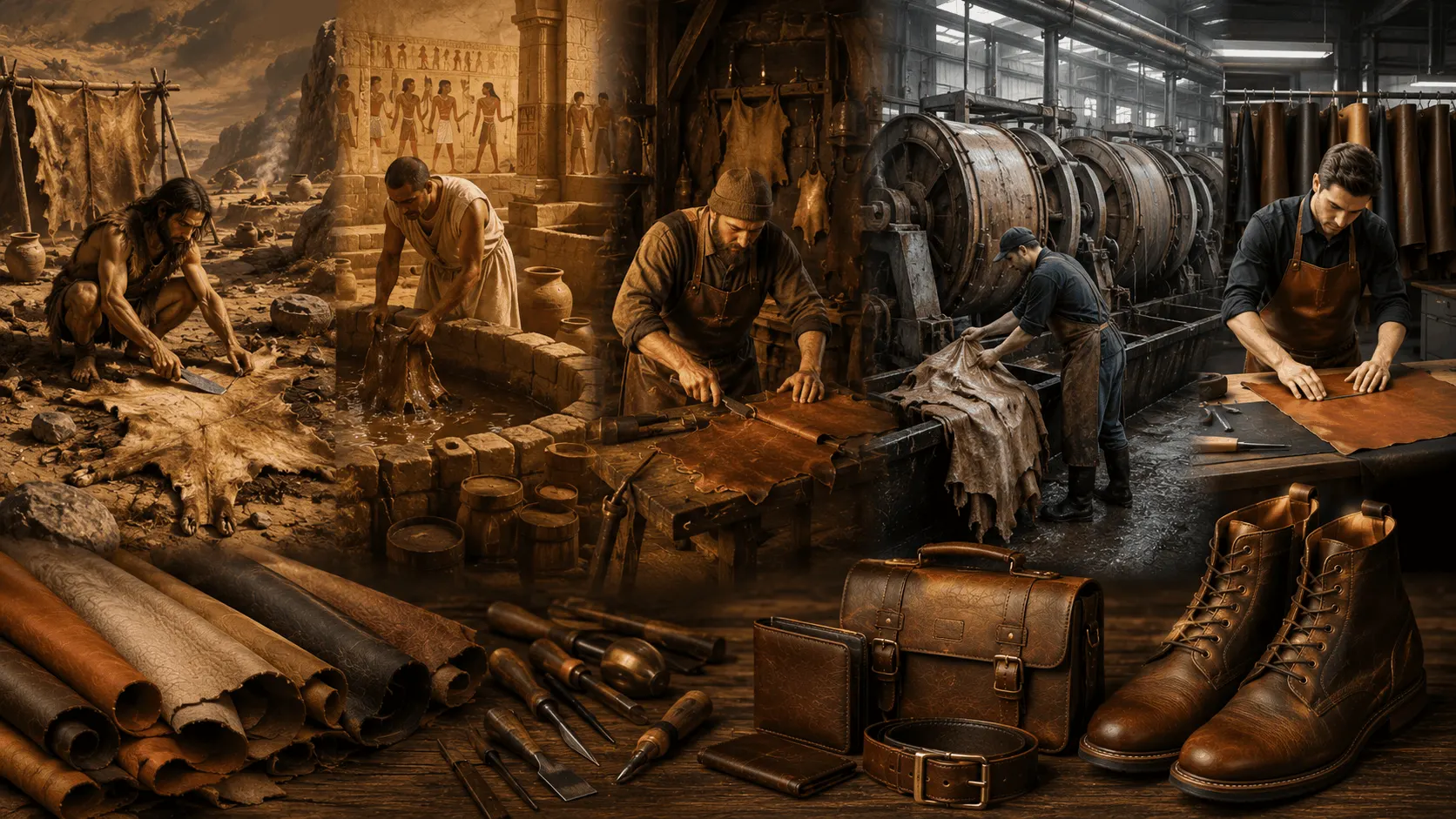
Leather has been part of human civilization for thousands of years, serving as one of the earliest materials used for clothing, shelter, tools, and protective equipment. Long before modern manufacturing existed, people discovered that animal hides could be preserved and transformed into durable materials capable of lasting for years.
The history of leather manufacturing reflects humanity’s continuous pursuit of stronger, more reliable, and more versatile materials. From primitive preservation techniques to today’s advanced tanning technologies, leather production has evolved alongside civilizations, industries, and craftsmanship.
Understanding how leather manufacturing developed offers valuable insight into why high-quality leather products remain prized today. While modern machinery has improved efficiency and consistency, the foundations of leather craftsmanship are still rooted in centuries of accumulated knowledge and skilled workmanship.
The Origins of Leather Manufacturing
Early Humans and Animal Hides
The earliest evidence of leather use dates back to prehistoric humans, who relied on hunted animals not only for food but also for clothing and shelter. Fresh hides offered warmth and protection from harsh weather, making them essential for survival.
However, untreated hides decompose quickly. Early humans experimented with simple preservation techniques such as:
- Drying hides in the sun
- Smoking over fires
- Applying animal fats
- Using natural oils to improve flexibility
Although these methods slowed decomposition, they could not permanently preserve leather. This challenge eventually led to one of humanity’s most significant discoveries in material processing.
The Discovery of Tanning
Ancient societies gradually learned that certain natural substances could stabilize animal hides and prevent decay.
Early tanning methods relied on naturally occurring materials, including:
- Tree bark rich in tannins
- Leaves and roots
- Plant extracts
- Mineral salts
- Animal brains and oils in some regions
These discoveries transformed fragile hides into durable leather capable of lasting for decades. This breakthrough marked the beginning of organized leather manufacturing and laid the foundation for one of the world’s oldest industries.
Leather Manufacturing in Ancient Civilizations
As civilizations advanced, leather became an indispensable material used across nearly every aspect of daily life.
Ancient Egypt
The Egyptians developed highly organized leather workshops where artisans produced sandals, shields, belts, ceremonial garments, furniture coverings, and decorative items.
Vegetable tanning using bark and plant extracts was commonly practiced, while leatherworkers also introduced dyeing and decorative embossing techniques that demonstrated remarkable craftsmanship.
Mesopotamia
Leather production played an important role in Mesopotamian society. Craftsmen manufactured:
- Water containers
- Harnesses
- Protective equipment
- Footwear
- Storage bags
Leather’s flexibility and durability made it particularly valuable for agriculture and transportation.
Ancient Greece
Greek artisans refined leatherworking into a respected craft. Leather products supported both civilian life and military activities, with manufacturers producing sandals, armor, belts, and sporting equipment.
The demand for reliable leather encouraged improvements in tanning methods and finishing techniques.
Ancient Rome
The Romans expanded leather manufacturing on a much larger scale than previous civilizations.
Leather supplied the Roman military with:
- Boots
- Armor components
- Horse tack
- Shields
- Tents
Roman tanneries became increasingly specialized, improving production efficiency while maintaining consistent quality. Their manufacturing methods influenced leather production across Europe for centuries.
Leather Craftsmanship During the Middle Ages
During the Middle Ages, leather manufacturing became more organized as skilled craftsmen established workshops throughout Europe.
Professional leatherworkers formed guilds that maintained strict standards for:
- Material selection
- Tanning quality
- Craftsmanship
- Apprenticeship training
These guilds helped preserve specialized knowledge while ensuring consistent production quality.
Leather products expanded into many new applications, including:
- Protective armor
- Saddlery and equestrian equipment
- Footwear
- Belts
- Pouches
- Bookbinding
- Furniture components
As trade routes expanded, leather goods became valuable commercial products exchanged across regions, contributing to economic growth and cultural exchange.
The Industrial Revolution and Leather Production
The Industrial Revolution transformed leather manufacturing more dramatically than any previous period in history.
Mechanization
Machines replaced many labor-intensive processes previously completed by hand.
Mechanical equipment improved:
- Hide preparation
- Cutting accuracy
- Finishing consistency
- Production speed
Manufacturers could now produce leather goods in significantly larger quantities while reducing production time.
Chrome Tanning Revolution
One of the most important innovations was the introduction of chrome tanning.
Compared to traditional vegetable tanning, chrome tanning dramatically reduced processing time while producing softer, more flexible leather suitable for a wider range of products.
This innovation enabled manufacturers to meet growing industrial demand without sacrificing performance.
Mass Production
Industrial manufacturing introduced standardized production methods that improved consistency across large production volumes.
Factories could efficiently produce leather for:
- Footwear
- Bags
- Upholstery
- Apparel
- Industrial equipment
- Military supplies
These advancements made leather products more widely available while supporting expanding global markets.
Modern Leather Manufacturing
Today’s leather industry combines advanced technology with centuries of craftsmanship.
Advanced Tanning Technologies
Modern tanneries use carefully controlled tanning systems that improve consistency, durability, and efficiency.
Manufacturers may use:
- Vegetable tanning
- Chrome tanning
- Combination tanning
- Specialized finishing processes
Each method is selected based on the intended application and the performance characteristics required in the finished leather. If you’re interested in how the two most common tanning methods compare, read our guide on Chrome vs Vegetable Tanned Leather to understand their differences, benefits, and ideal uses.
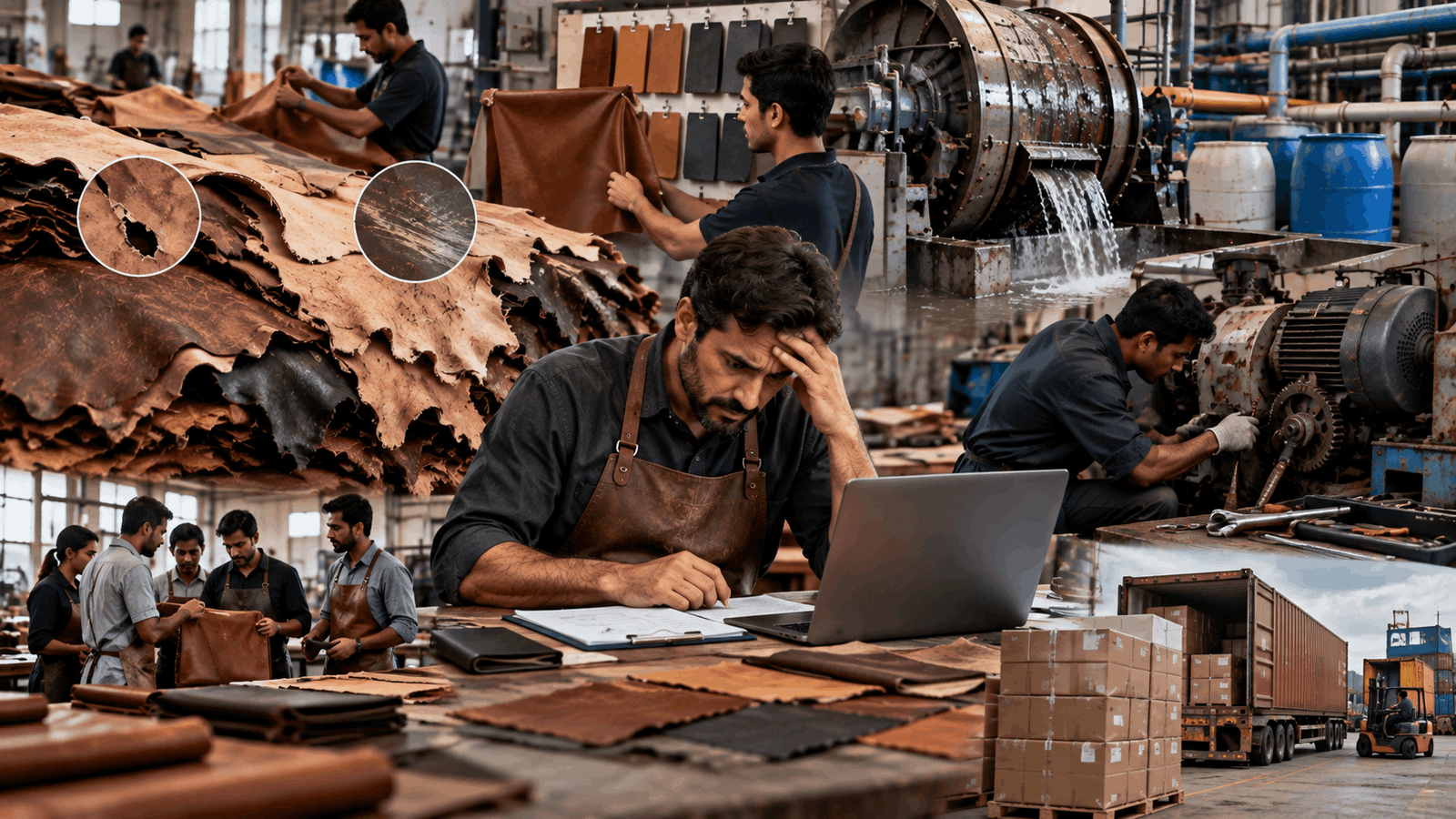
Quality Control
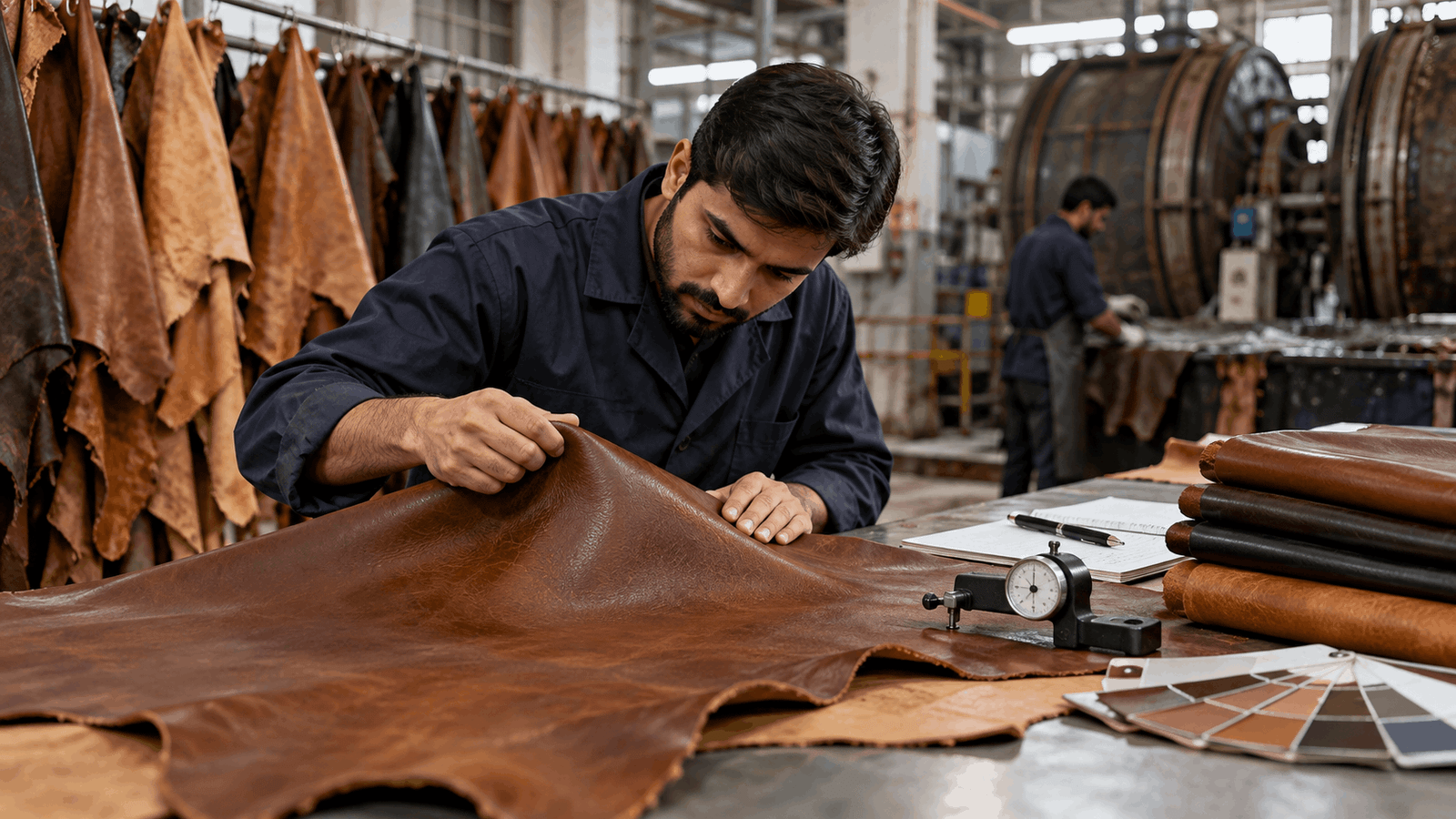
Quality assurance has become a critical part of modern leather manufacturing.
Throughout production, hides are evaluated for:
- Thickness
- Strength
- Grain quality
- Color consistency
- Surface characteristics
- Durability
Continuous inspection helps ensure finished leather meets strict performance standards.
Automation and Precision
Automation has enhanced precision across many manufacturing stages while reducing waste and improving repeatability.
Computer-controlled equipment supports:
- Accurate cutting
- Consistent finishing
- Thickness calibration
- Moisture control
- Production monitoring
Despite these technological improvements, many premium leather products still rely on skilled artisans for inspection, finishing, and detailed craftsmanship.
Sustainable Manufacturing Practices
Environmental responsibility has become an increasingly important focus within the leather industry.
Many manufacturers now implement practices designed to reduce environmental impact, including:
- Water recycling systems
- Energy-efficient equipment
- Improved wastewater treatment
- Responsible chemical management
- Waste reduction initiatives
- More efficient material utilization
These practices support cleaner production while maintaining product quality. For readers interested in this topic, consider exploring our guide on sustainable leather manufacturing to learn more about environmentally responsible leather production methods.
How Leather Manufacturing Continues to Evolve
Leather manufacturing continues to improve through advancements that enhance efficiency, transparency, and environmental performance.
Current industry developments include:
- Eco-friendly tanning processes that reduce resource consumption.
- Cleaner production methods that improve operational efficiency.
- Better traceability throughout the supply chain.
- Responsible sourcing of raw materials from well-managed supply networks.
- Manufacturing techniques that improve consistency, durability, and product performance.
These ongoing improvements help manufacturers balance traditional craftsmanship with modern expectations for quality, reliability, and responsible production.
Leather Manufacturing Today: Tradition Meets Innovation
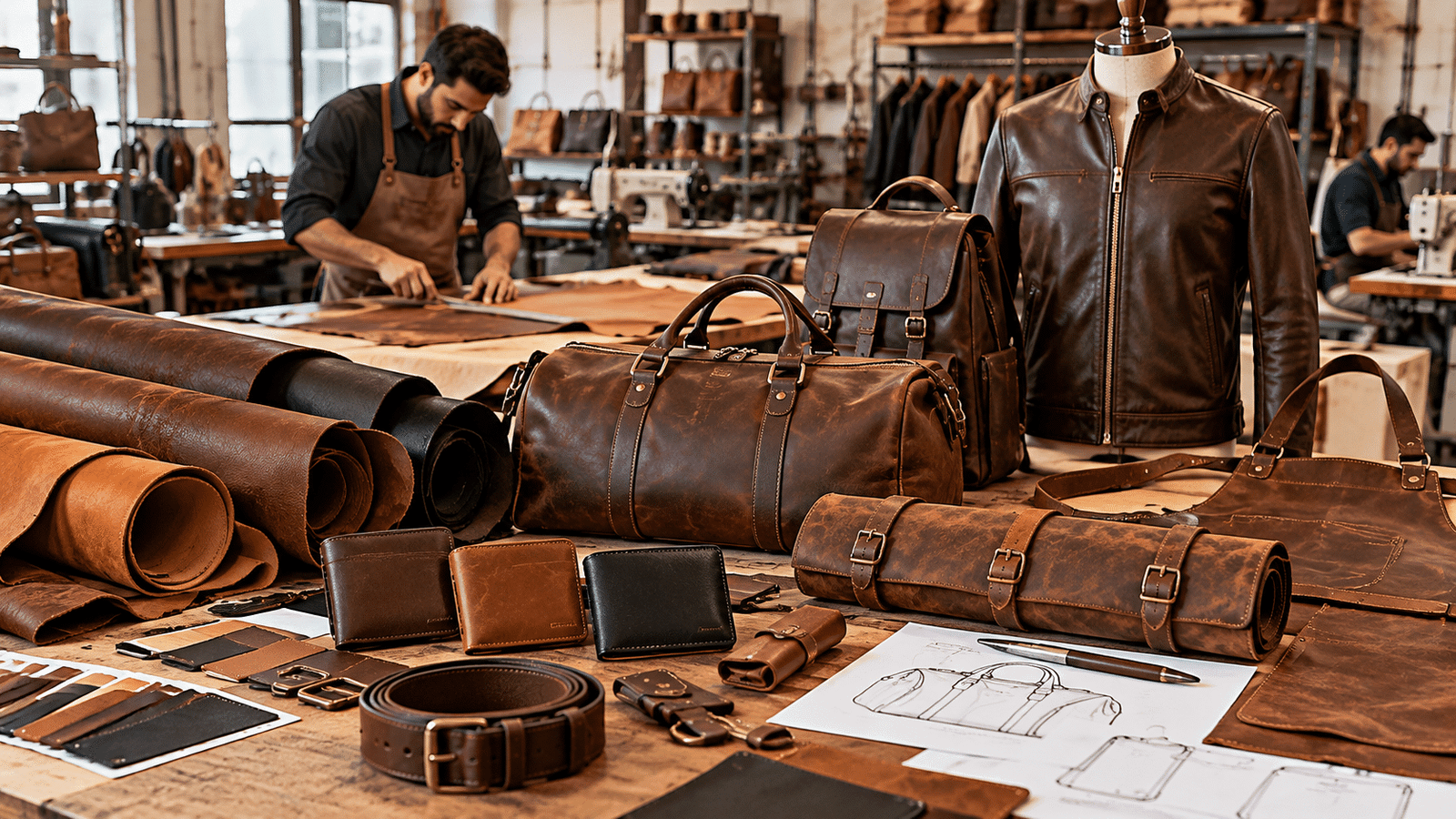
Although technology has transformed leather production, craftsmanship remains at the heart of premium leather manufacturing.
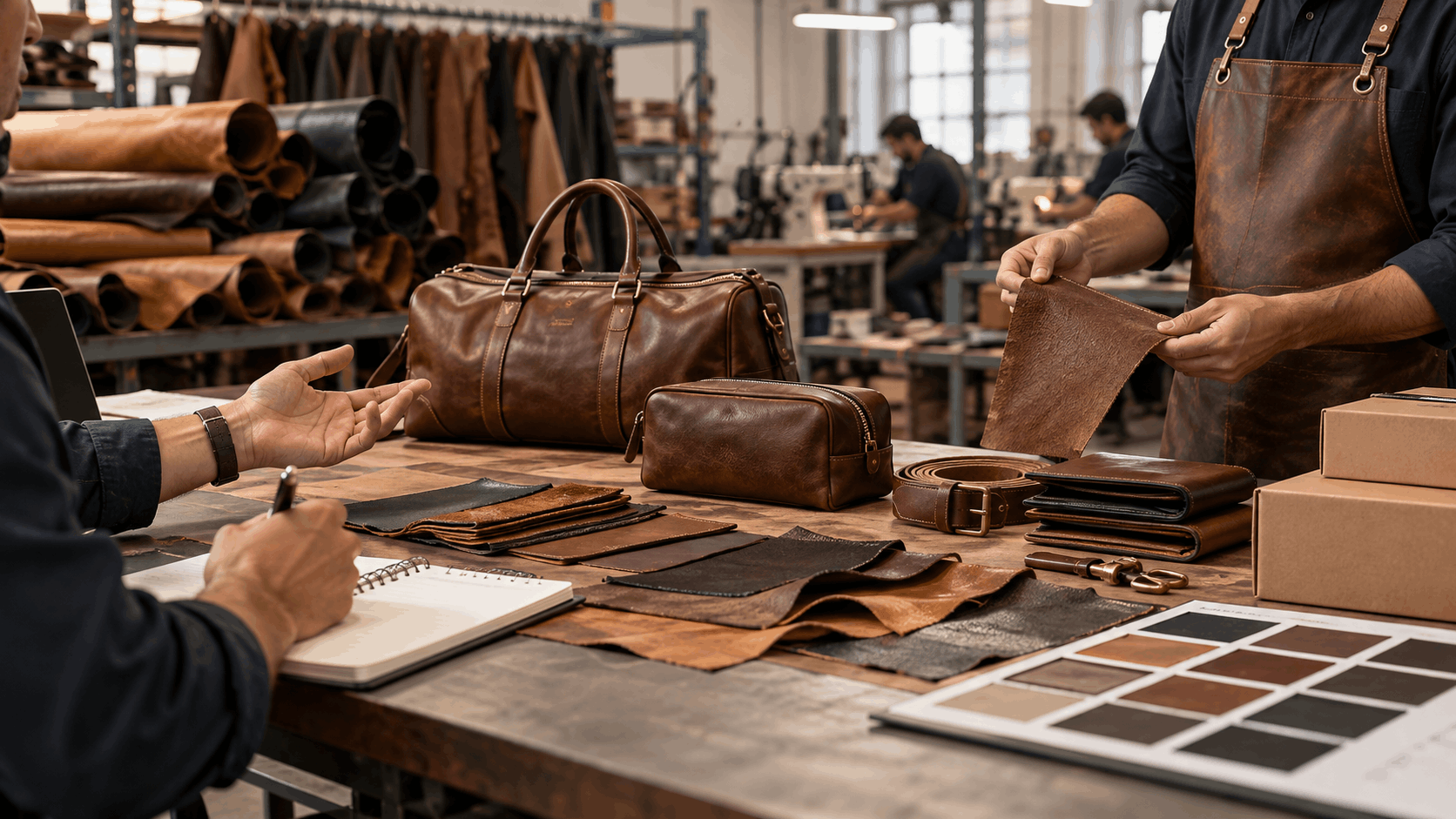
Modern machinery delivers exceptional precision and consistency, while experienced artisans continue to play a vital role in material selection, finishing, inspection, and quality assurance.
The most respected manufacturers combine generations of leatherworking expertise with advanced production technologies to create leather that is both durable and refined. This balance between tradition and innovation ensures that leather remains one of the world’s most trusted and versatile natural materials.
Frequently Asked Questions
When did leather manufacturing begin?
Leather manufacturing began thousands of years ago when early humans discovered methods to preserve animal hides using drying, smoking, and eventually natural tanning techniques derived from plants and minerals.
How was leather made before modern technology?
Before industrial processes, leather was produced using natural tanning agents such as tree bark, leaves, oils, and mineral salts. The tanning process was performed entirely by hand and often required several weeks or months to complete.
What changed during the Industrial Revolution?
The Industrial Revolution introduced mechanized equipment, standardized manufacturing methods, and chrome tanning. These innovations significantly increased production speed, consistency, and scalability.
How is leather manufactured today?
Modern leather manufacturing combines advanced tanning technologies, automated production systems, strict quality control, and skilled craftsmanship to produce leather for a wide range of industries and applications.
Is modern leather manufacturing more sustainable?
Many modern leather manufacturers have adopted environmentally responsible practices such as water recycling, wastewater treatment, responsible chemical management, and improved production efficiency. Sustainability varies by manufacturer and production process.
Conclusion
The evolution of leather manufacturing spans thousands of years, beginning with simple hide preservation techniques and progressing to today’s sophisticated production methods. Every stage of this journey has contributed to the durability, versatility, and enduring value of leather.
While technology has transformed how leather is processed, the core principles of quality remain unchanged. Carefully selected raw materials, proven tanning techniques, rigorous quality control, and skilled craftsmanship continue to define exceptional leather products. By combining centuries of tradition with modern innovation, today’s leather manufacturers produce materials that meet contemporary performance standards while preserving the timeless appeal that has made leather an essential part of human history.