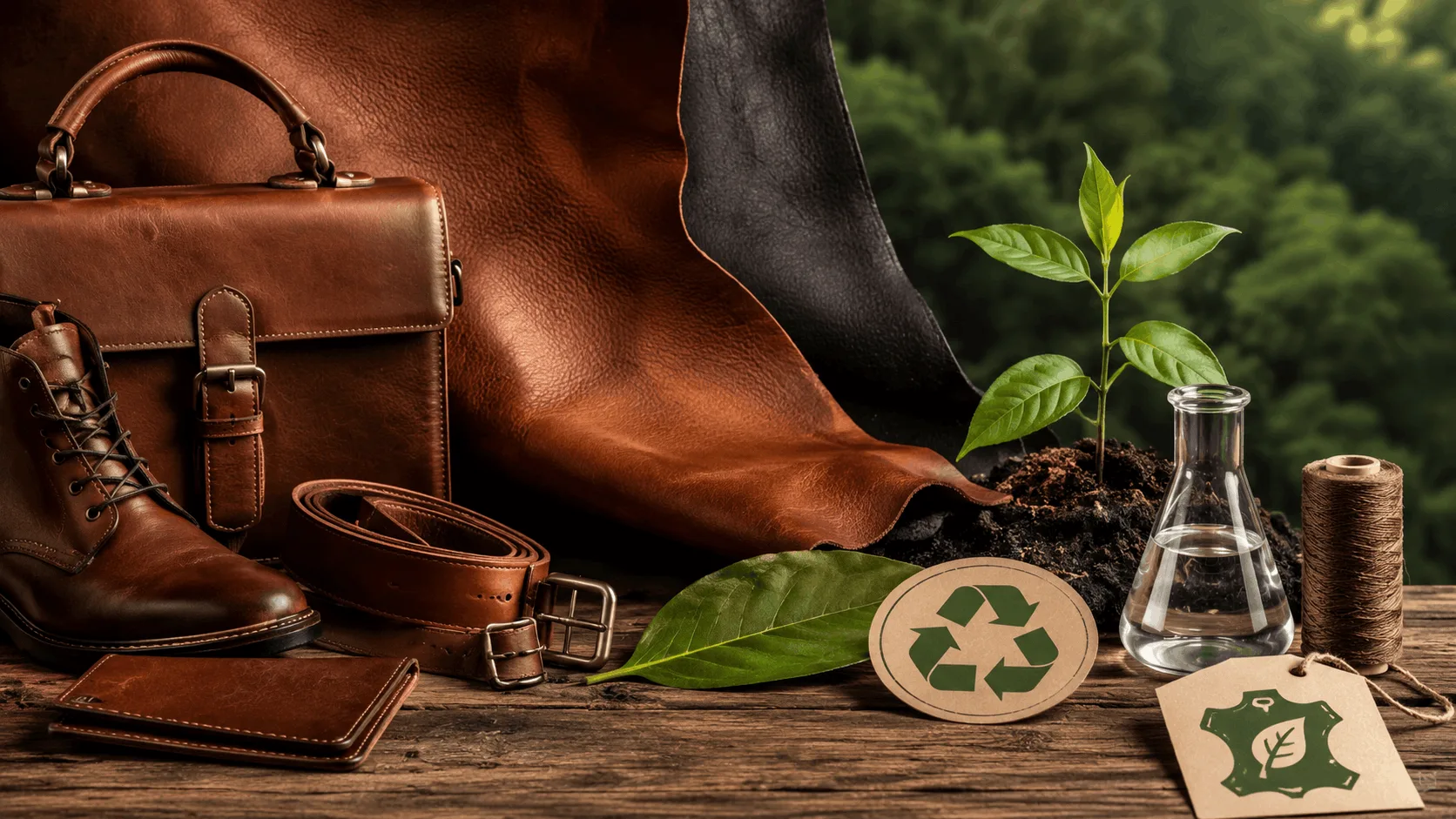
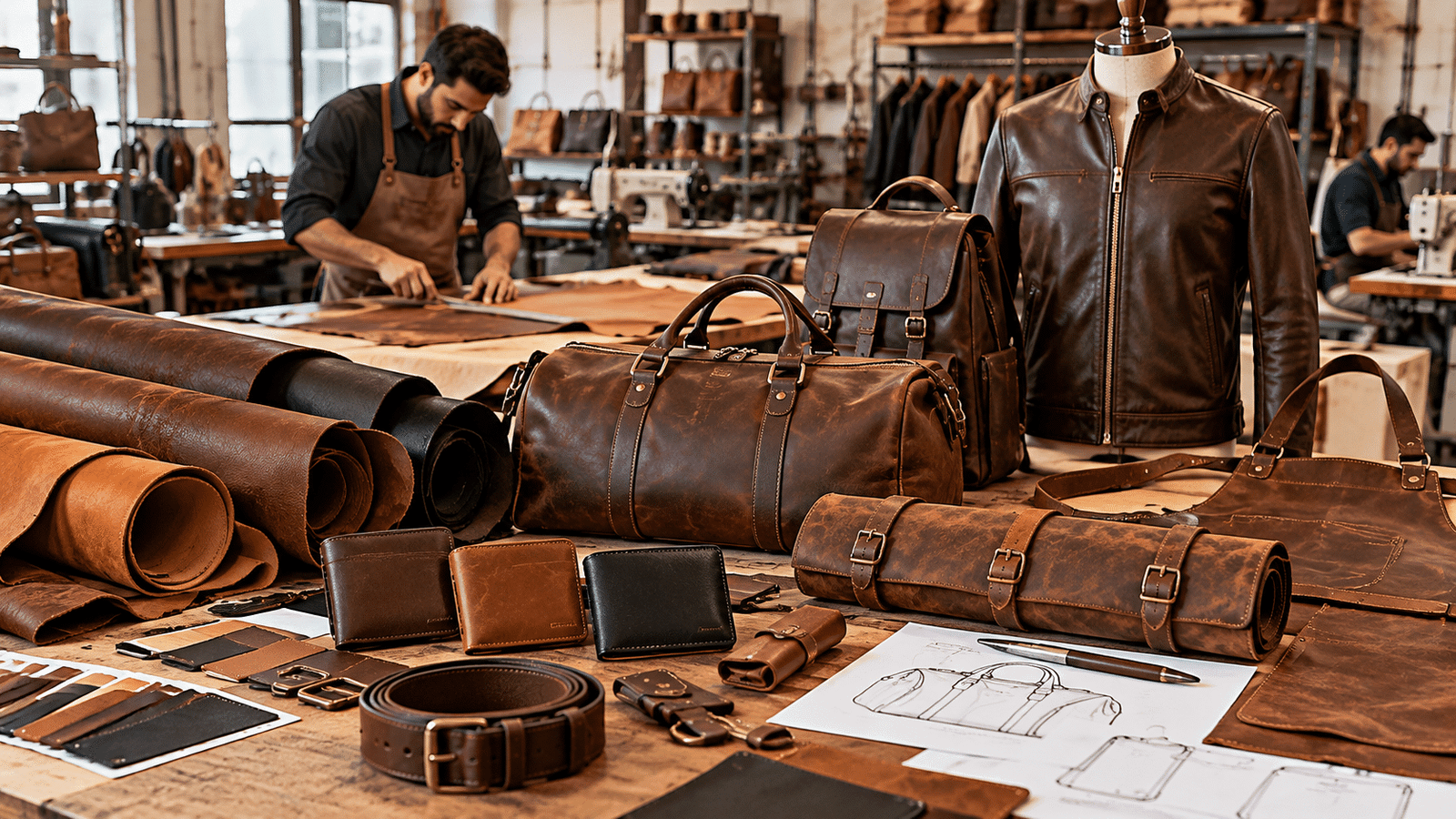
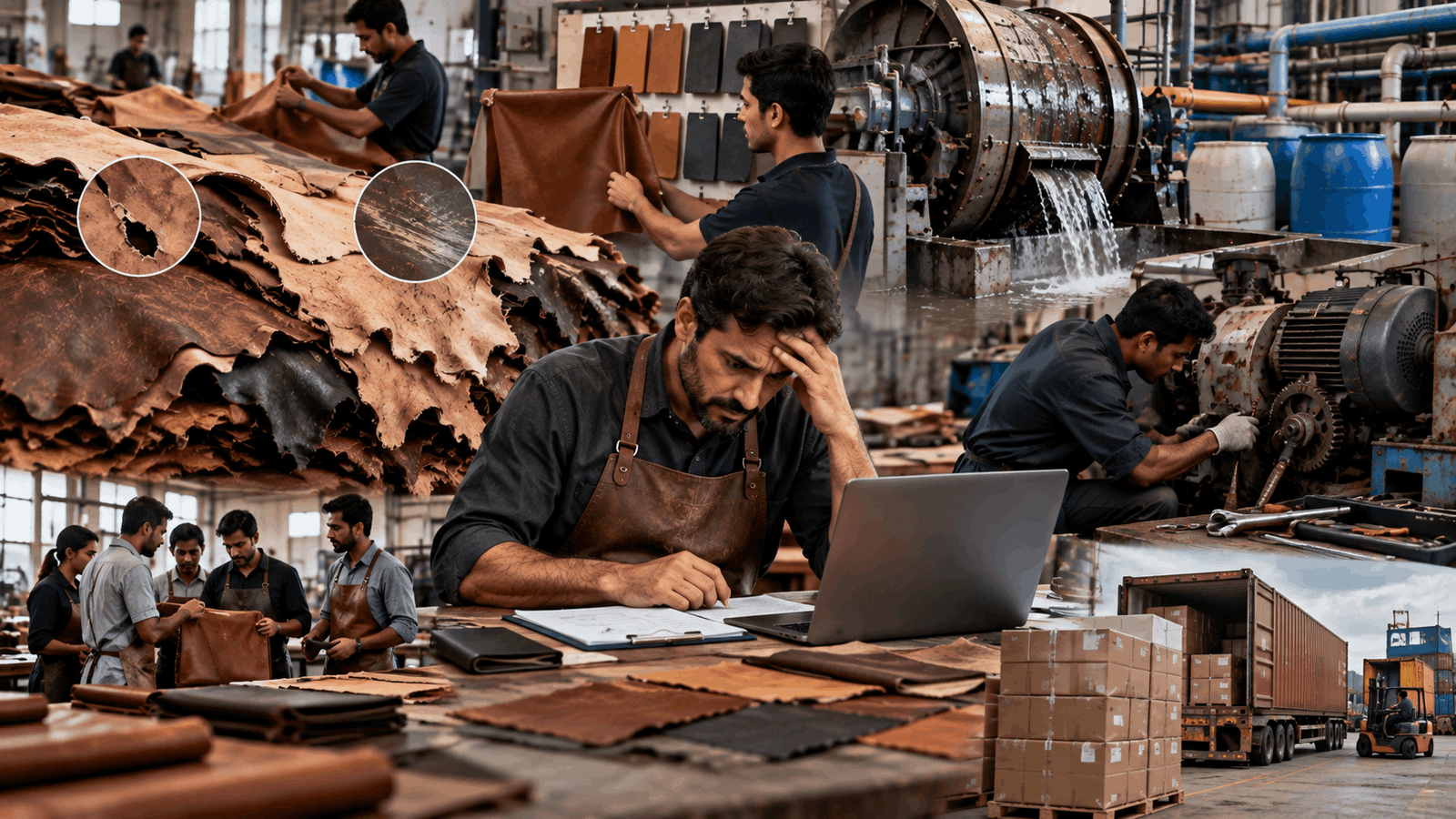
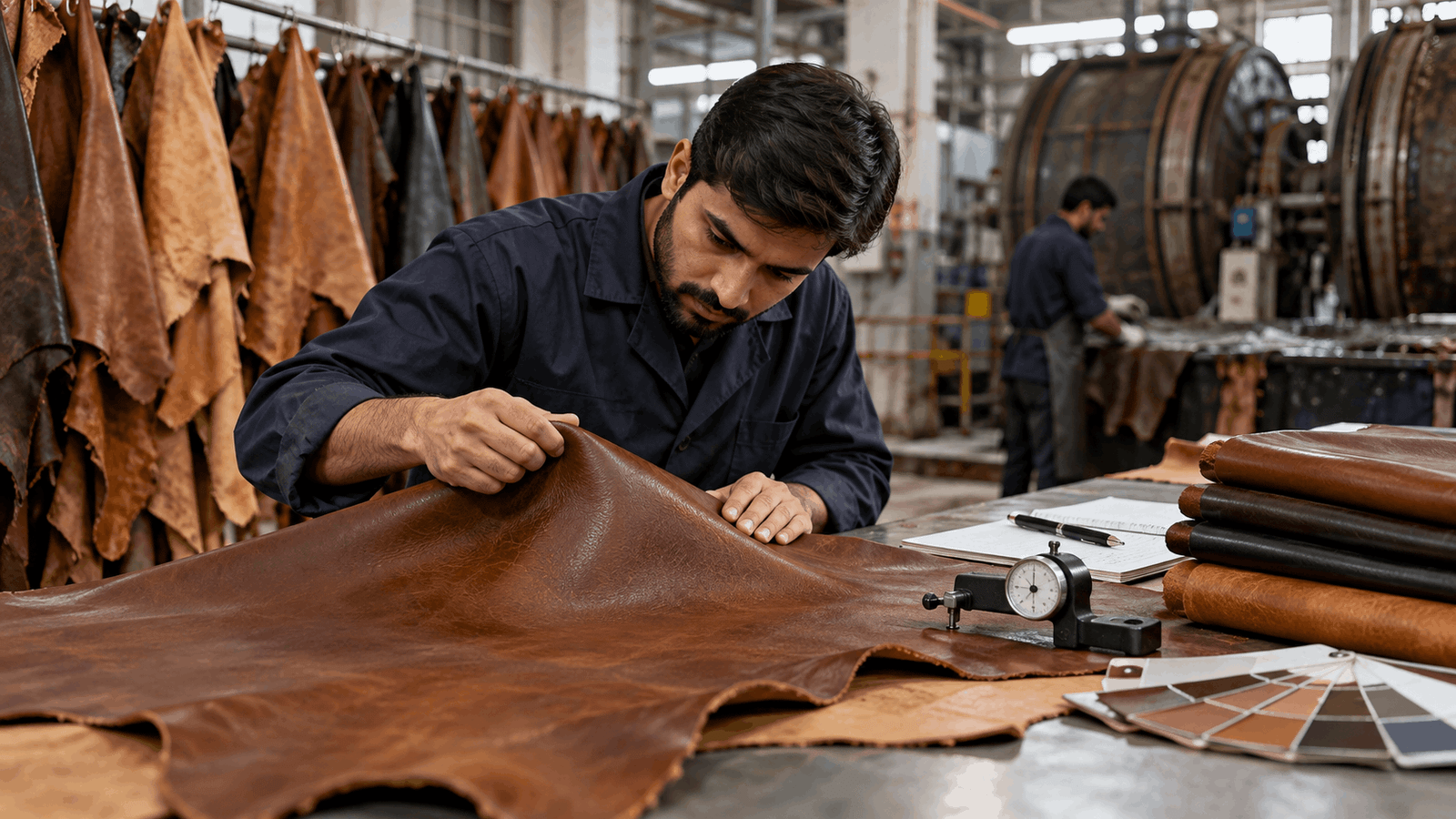
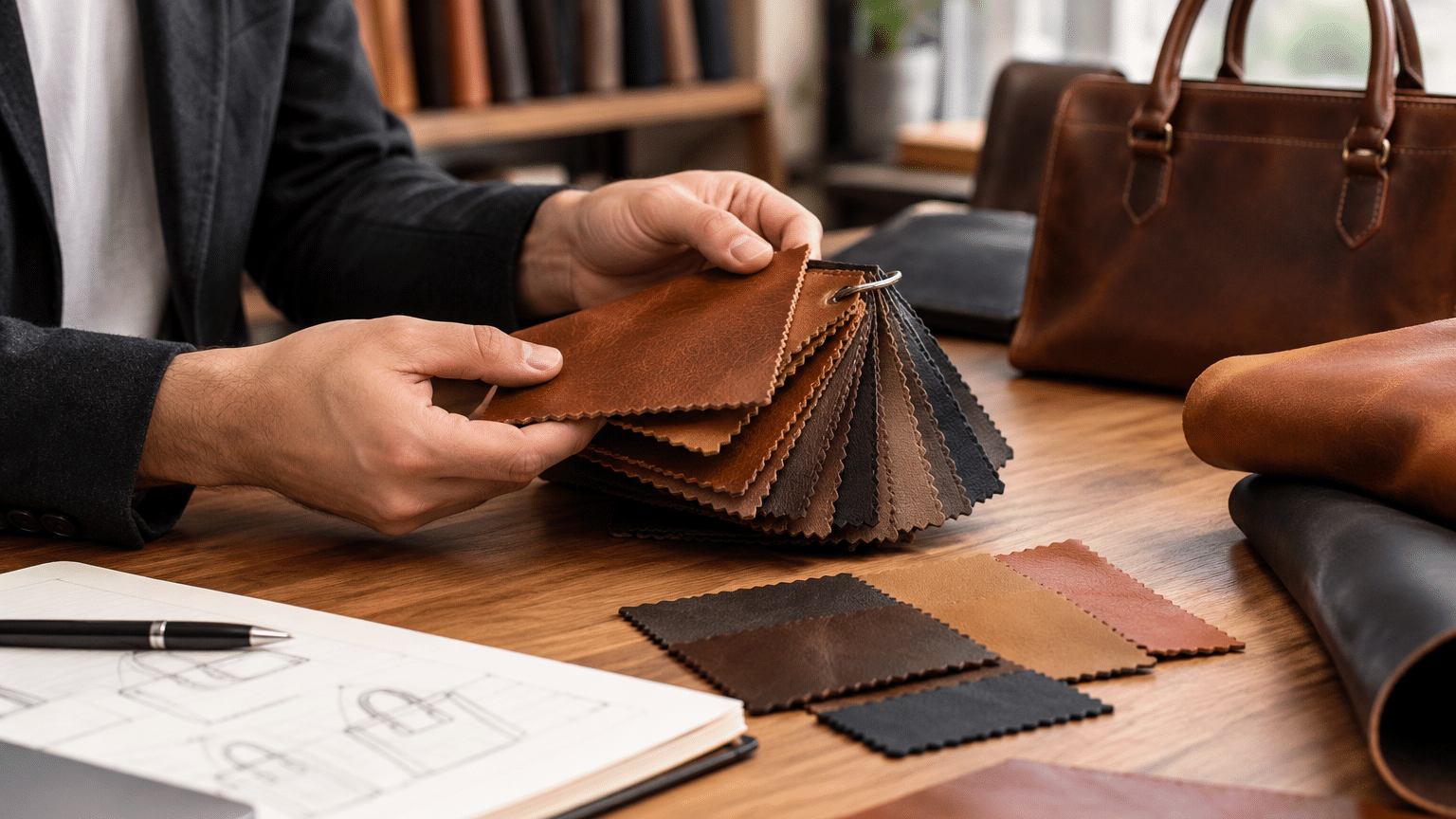
Sustainability has become a key topic in the fashion and manufacturing industries, and leather is often part of the discussion. As consumers become more conscious of their purchasing decisions, they want to understand how leather is sourced, produced, and whether it can be considered a sustainable material. While leather has long been valued for its durability and longevity, its environmental impact depends on much more than the material itself.
A leather product’s sustainability is influenced by responsible sourcing, manufacturing practices, product lifespan, repairability, and end-of-life management. Looking at the entire lifecycle rather than isolated claims provides a clearer understanding of its environmental impact. In this guide, we’ll explore what sustainable leather really means, debunk common myths, and examine the industry practices that contribute to more responsible leather production.
What Is Sustainable Leather?
Sustainable leather refers to leather that is produced using responsible environmental, ethical, and economic practices throughout its lifecycle. Rather than focusing solely on the material itself, sustainability considers how raw hides are sourced, how leather is processed, how efficiently resources are used during production, and how long the finished product remains functional before needing replacement.
Unlike fast-fashion materials that are designed for short-term use, high-quality leather products can remain in service for decades when properly maintained. Their durability often reduces the need for frequent replacements, helping minimize long-term material consumption and waste.
Defining Sustainable Leather
There is no single definition that applies to every leather product. Instead, sustainable leather generally reflects a combination of responsible sourcing, efficient manufacturing, reduced environmental impact, safe chemical management, worker welfare, and product longevity.
Manufacturers committed to sustainability often invest in cleaner tanning technologies, wastewater treatment systems, renewable energy, waste reduction initiatives, and traceability programs to improve environmental performance across their operations.
Why Sustainability Is More Than Just the Material
Many people assume sustainability depends only on whether a product is made from leather or a synthetic alternative. In reality, the environmental impact of any material depends on numerous interconnected factors.
These include:
- Source of raw materials
- Manufacturing processes
- Energy consumption
- Water usage
- Transportation
- Product lifespan
- Maintenance requirements
- Repairability
- Disposal or recycling options
A durable product that lasts twenty years may have a different overall environmental profile than one requiring replacement every few years, even if the initial manufacturing processes differ.
Environmental, Social, and Economic Considerations
Sustainability within the leather industry extends beyond environmental protection.
Responsible production also involves:
- Ethical labor practices
- Safe working conditions
- Responsible chemical handling
- Efficient resource management
- Reduced waste generation
- Continuous innovation
- Long-term economic viability for manufacturers and local communities
Balancing these factors is essential for creating a more responsible and resilient leather supply chain.
How Leather Is Produced
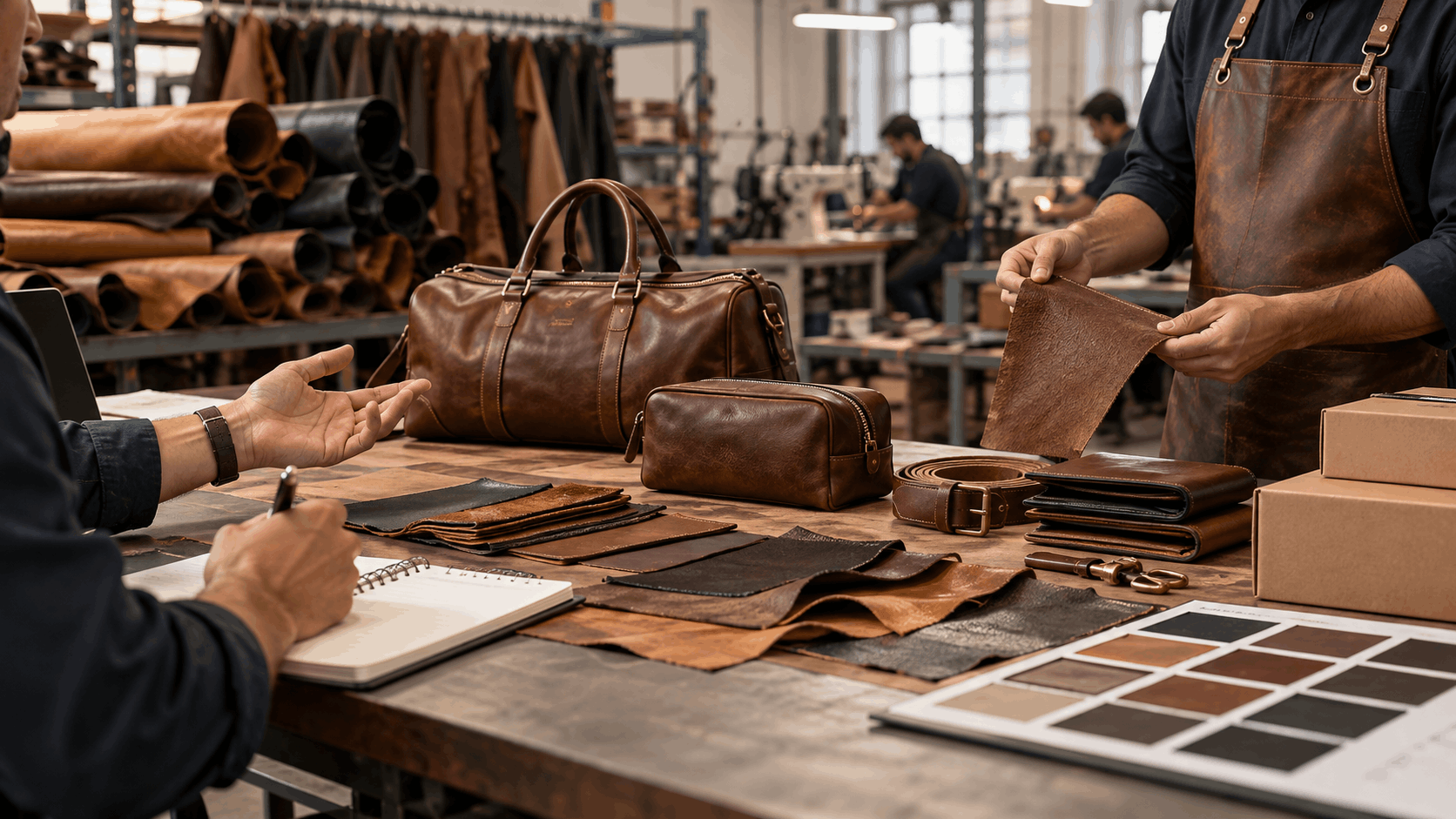
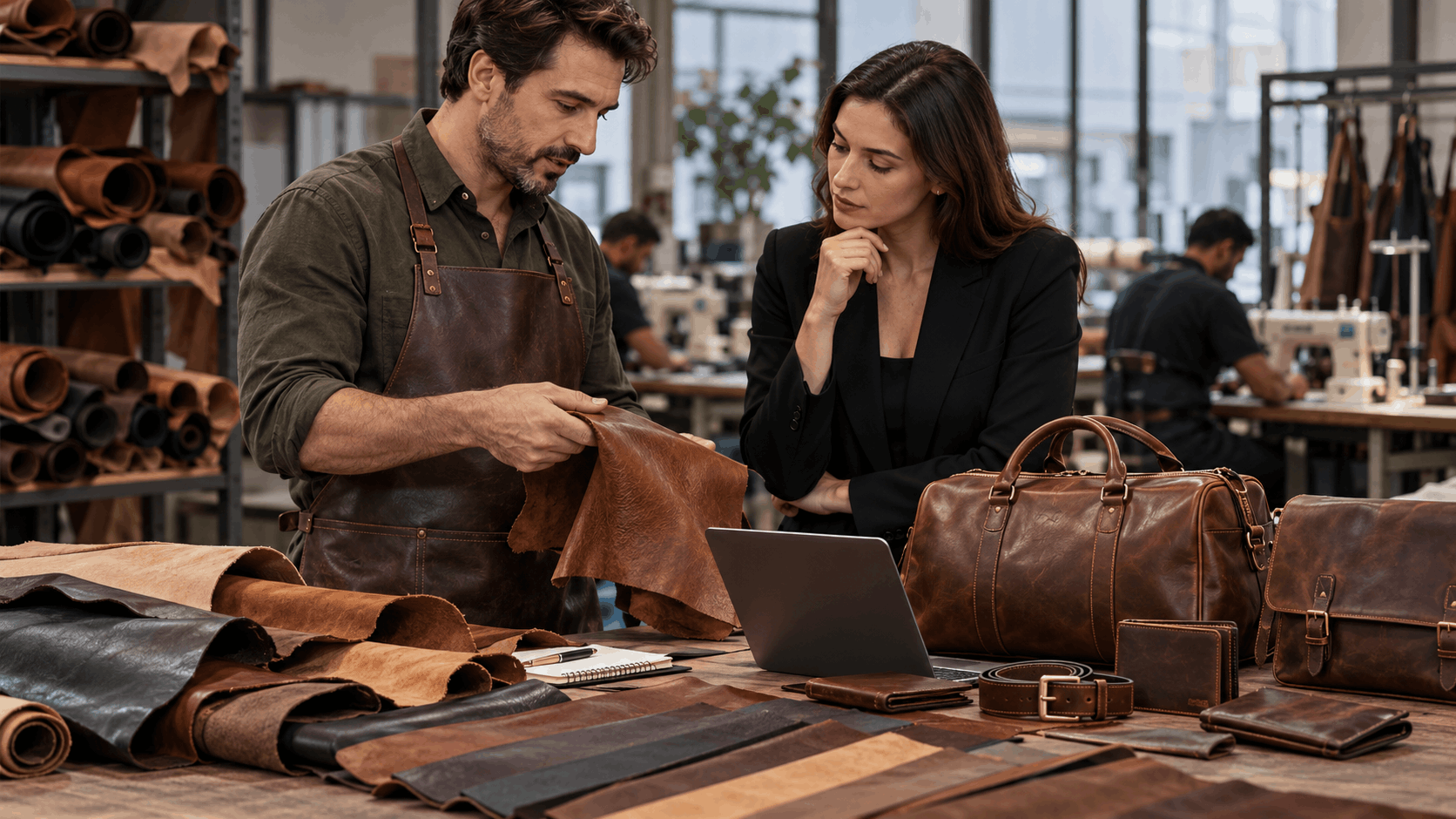
Understanding how leather is produced provides important context when evaluating sustainability claims. Leather manufacturing is a multi-stage process that transforms raw animal hides into durable materials suitable for clothing, footwear, furniture, automotive interiors, and accessories.
Each stage influences the final product’s quality, performance, and environmental footprint.
Leather as a By-Product of the Meat Industry
One of the most frequently misunderstood aspects of leather production is the source of raw hides.
In most cases, cattle hides used for leather are by-products of the global meat industry. Rather than being discarded as waste, these hides are processed into durable materials with long-term practical value.
Utilizing by-products supports greater resource efficiency by making use of materials that would otherwise require disposal. This approach aligns with broader principles of resource utilization and waste reduction.
From Raw Hide to Finished Leather
Leather manufacturing generally includes several key stages:
- Preservation of raw hides
- Cleaning and preparation
- Hair removal
- Tanning
- Dyeing
- Drying
- Conditioning
- Finishing
- Quality inspection
Each step requires technical expertise to ensure consistent quality, durability, flexibility, and appearance.
The finishing stage is particularly important because it determines the leather’s texture, sheen, protective coating, and overall aesthetic. Readers interested in surface treatments and production methods can learn more about different Leather Finishing Types and how they influence both appearance and performance.
Different Types of Leather Processing
Leather can be processed using several tanning methods, each offering different characteristics.
Chrome Tanning
Chrome tanning is the most widely used process worldwide due to its efficiency, softness, flexibility, and ability to produce leather suitable for a broad range of applications. Modern facilities increasingly incorporate wastewater treatment and chemical recovery systems to reduce environmental impact.
Vegetable Tanning
Vegetable tanning relies on naturally derived tannins extracted from tree bark, leaves, and other plant materials. The process generally takes longer than chrome tanning but produces leather that develops a distinctive patina over time and is commonly used for premium belts, saddlery, wallets, and handcrafted goods.
Combination Tanning
Combination tanning integrates elements of multiple tanning methods to achieve specific performance characteristics such as flexibility, water resistance, color consistency, or durability.
Each tanning method offers advantages depending on the intended application, making sustainability assessments dependent on the complete production process rather than a single manufacturing technique.
Facts About Sustainable Leather
Public discussions about leather often focus on isolated issues without considering the complete product lifecycle. While every manufacturing process has environmental impacts, several widely recognized characteristics contribute to leather’s long-term sustainability when produced responsibly.
Leather Utilizes a Natural By-Product
As previously discussed, most leather originates from hides generated by the meat industry. Transforming these hides into durable products helps maximize resource utilization and reduces material waste.
Responsible sourcing remains an important factor, and many manufacturers now prioritize traceable supply chains and environmentally responsible tanning partners.
Quality Leather Can Last for Decades
One of leather’s greatest sustainability advantages is its exceptional lifespan.
Well-made leather goods often remain functional for decades with routine care, reducing the need for frequent replacements. This durability supports a more conscious approach to consumption by encouraging long-term ownership instead of disposable purchasing habits.
Consumers comparing materials often find it useful to understand the different Leather Grades, as higher-quality leather generally offers superior durability, strength, and aging characteristics.
Repairability Reduces Waste
Unlike many synthetic materials, genuine leather products can often be repaired rather than discarded.
Professional repair services can replace zippers, restitch seams, restore finishes, condition dried leather, and repair damaged hardware, significantly extending a product’s usable life.
Repairability supports circular economy principles by reducing unnecessary waste and delaying replacement purchases.
Leather Is Naturally Biodegradable Under Appropriate Conditions
Leather is a natural material primarily composed of collagen fibers. Under suitable environmental conditions and depending on tanning and finishing methods, leather has the potential to biodegrade more readily than many petroleum-based synthetic materials.
However, biodegradability varies according to the manufacturing process, chemical treatments, and disposal environment, making it important to avoid broad generalizations.
Responsible Tanneries Continue to Improve Environmental Performance
The leather industry has invested significantly in improving production efficiency over recent decades.
Many modern tanneries now implement practices such as:
- Advanced wastewater treatment systems
- Water recycling technologies
- Energy-efficient manufacturing equipment
- Responsible chemical management
- Waste minimization programs
- Improved traceability throughout the supply chain
These ongoing improvements demonstrate that sustainability is an evolving process rather than a fixed destination. As consumers continue comparing leather with alternative materials, understanding the differences explored in Types of Leather and Genuine vs Real Leather can provide valuable context when evaluating quality, durability, and responsible purchasing decisions.
Sustainable Practices in the Leather Industry
Sustainability in the leather industry extends beyond the finished product. It involves responsible decisions at every stage of the supply chain, from sourcing raw hides to reducing waste and improving manufacturing efficiency. While production methods vary between manufacturers, many tanneries and leather producers continue to adopt practices that reduce environmental impact while maintaining product quality.
Responsible Sourcing of Raw Hides
Responsible leather production begins with sourcing hides from traceable supply chains. Many manufacturers work with suppliers that prioritize animal welfare, legal compliance, and transparent procurement practices. Since leather is typically a by-product of the meat industry, utilizing these hides helps maximize the use of available resources rather than allowing them to become waste.
Improved traceability also enables brands to verify the origin of raw materials and ensure compliance with environmental and social standards.
Water Management and Recycling
Leather manufacturing requires significant amounts of water, particularly during soaking, liming, tanning, and dyeing processes. To minimize water consumption, many modern tanneries invest in recycling systems that treat and reuse water throughout production.
Advanced wastewater treatment facilities remove contaminants before water is discharged, helping protect surrounding ecosystems and comply with environmental regulations. Continuous monitoring and improved treatment technologies have contributed to more efficient water management across many leather-producing regions.
Cleaner Tanning Technologies
Tanning is one of the most important stages of leather production, and technological improvements continue to reduce its environmental footprint.
Many manufacturers now use optimized tanning formulations, improved chemical recovery systems, and automated production controls to reduce chemical consumption and increase efficiency. Research into alternative tanning agents and lower-impact processing methods also continues to advance, giving the industry more options for producing high-quality leather with fewer environmental impacts.
Waste Reduction and Resource Efficiency
Modern leather manufacturing focuses on making better use of raw materials. Digital cutting technologies, improved pattern optimization, and better production planning help reduce offcuts and material waste.
Leather scraps that cannot be used in primary products may be repurposed into smaller accessories, composite materials, or industrial applications. These initiatives contribute to a more resource-efficient manufacturing process while reducing the volume of waste sent for disposal.
Renewable Energy Adoption
Many tanneries and leather manufacturers are investing in renewable energy sources such as solar and wind power to reduce greenhouse gas emissions associated with production. Energy-efficient machinery, heat recovery systems, and optimized manufacturing processes further help lower energy consumption without compromising product quality.
While adoption varies by region and facility, these investments demonstrate the industry’s ongoing efforts to improve environmental performance.
Traceability Throughout the Supply Chain
Consumers increasingly want to know where products come from and how they are made. In response, many brands have implemented traceability systems that provide greater visibility into sourcing, manufacturing, and distribution.
Digital tracking, supplier audits, and transparent documentation help manufacturers verify responsible practices while allowing consumers to make more informed purchasing decisions.
Leather Certifications and Standards
Independent certifications and internationally recognized standards help manufacturers demonstrate their commitment to responsible production. Although no certification guarantees complete sustainability, they provide valuable benchmarks for environmental management, chemical safety, and manufacturing practices.
Leather Working Group (LWG)
The Leather Working Group is one of the most widely recognized organizations in the leather industry. It assesses tanneries based on criteria such as water usage, energy efficiency, waste management, chemical control, and environmental performance. Many global leather brands source materials from LWG-audited facilities as part of their sustainability initiatives.
ISO Environmental Standards
Many leather manufacturers implement ISO environmental management systems to improve operational efficiency, reduce waste, and continuously monitor environmental performance. These internationally recognized standards encourage structured environmental management across manufacturing operations.
REACH Compliance
For leather products sold in European markets, compliance with REACH regulations helps ensure that restricted chemicals are properly managed and that products meet established safety requirements. These regulations promote responsible chemical use throughout the manufacturing process.
OEKO-TEX® Leather Standard
The OEKO-TEX® Leather Standard tests leather products for harmful substances and verifies that finished materials meet specific human-ecological safety requirements. This certification provides additional confidence regarding product safety for consumers.
Vegetable-Tanned Leather vs. Chrome-Tanned Leather
Vegetable tanning and chrome tanning are the two most widely used leather tanning methods, each with its own characteristics, benefits, and applications. Since this comparison involves factors such as sustainability, durability, appearance, performance, and manufacturing processes, we’ve covered it in detail in our guide on Chrome Tanned vs Vegetable Tanned Leather.
Sustainable Leather vs. Synthetic Alternatives
Leather and synthetic materials are often compared in sustainability discussions, but meaningful comparisons require evaluating each material across its entire lifecycle.
PU Leather
Polyurethane (PU) leather is widely used as an alternative to genuine leather because it is lightweight, affordable, and available in many finishes. However, its lifespan is generally shorter than that of high-quality leather, and repairing damaged PU products is often difficult.
PVC Leather
Polyvinyl chloride (PVC) leather is known for its durability and water resistance but is derived from petroleum-based materials. Environmental concerns surrounding PVC primarily relate to its production process and end-of-life disposal.
Bio-Based Alternatives
New materials made from plant fibers, agricultural waste, mushrooms, and other renewable resources continue to emerge as innovative alternatives. While these materials show promise, their durability, scalability, and long-term environmental performance vary depending on manufacturing methods and product design.
Comparing Lifespan
A product’s lifespan is one of the most significant contributors to sustainability. High-quality leather products often remain functional for decades with proper care, whereas many synthetic alternatives may require replacement sooner due to cracking, peeling, or material degradation.
Repairability
Leather products can frequently be repaired, conditioned, refinished, or restored, extending their usable life. Many synthetic materials offer fewer repair options, making replacement more common once significant wear occurs.
End-of-Life Disposal
Leather and synthetic materials have different disposal characteristics. Leather is a natural material, while most synthetic alternatives are petroleum-based polymers. The environmental impact at the end of a product’s life depends on factors such as material composition, manufacturing treatments, available recycling infrastructure, and disposal conditions. For this reason, evaluating sustainability requires considering the complete lifecycle rather than focusing on a single stage.
How Consumers Can Choose Sustainable Leather Products
Choosing a sustainable leather product involves looking beyond marketing claims. The most responsible purchase is often one that combines high-quality craftsmanship, durable materials, responsible manufacturing, and a long usable lifespan. Rather than focusing on a single label or trend, consumers should evaluate the overall value and longevity of the product.
Look for High-Quality Construction
A well-crafted leather product is more likely to remain functional for many years. Examine the stitching, hardware, edge finishing, lining, and overall construction before making a purchase. Strong seams, durable zippers, reinforced stress points, and carefully finished edges are indicators of quality craftsmanship that contribute to a longer product life.
Buy Less, Buy Better
One of the simplest ways to reduce environmental impact is to invest in fewer, higher-quality products instead of frequently replacing inexpensive alternatives. A durable leather jacket, bag, belt, or wallet that lasts for decades often generates less waste than multiple short-lived replacements.
Choosing timeless designs instead of fast-changing trends can also extend the useful life of leather goods.
Check for Responsible Certifications
When available, look for products sourced from manufacturers that follow recognized environmental and safety standards. Certifications and independent auditing programs provide additional confidence that responsible manufacturing practices have been considered during production.
Although certifications should not be the only purchasing factor, they can help consumers identify brands that prioritize transparency and continuous environmental improvement.
Care for Leather Properly
Proper maintenance significantly extends the lifespan of leather products. Regular cleaning, conditioning, and correct storage help preserve flexibility, prevent drying and cracking, and maintain the leather’s appearance over time.
Avoid prolonged exposure to excessive moisture, direct sunlight, or high temperatures, and always follow the manufacturer’s care recommendations for the specific leather type.
Repair Instead of Replace
Minor damage does not necessarily mean a leather product has reached the end of its life. Worn stitching, damaged hardware, faded finishes, and surface scratches can often be repaired by experienced leather professionals.
Repairing existing products helps reduce waste, conserves resources, and supports a more circular approach to consumption while allowing quality leather goods to remain in use for many additional years.
The Future of Sustainable Leather
As consumer expectations evolve, the leather industry continues to invest in technologies and practices that improve environmental performance while maintaining product quality. Innovation is increasingly focused on reducing resource consumption, increasing transparency, and supporting a more circular economy.
Circular Economy
Circular economy principles encourage extending product lifespans through durability, repair, refurbishment, and reuse. Leather products that remain functional for many years naturally align with these objectives by reducing the demand for frequent replacement.
Many brands are also exploring take-back programs, repair services, and resale initiatives that help keep leather products in circulation for longer.
Digital Traceability
Advances in digital technology are making supply chains more transparent. QR codes, digital product passports, and blockchain-based tracking systems allow manufacturers to document sourcing, production, and distribution information more accurately.
Greater traceability enables consumers to make better-informed purchasing decisions while encouraging accountability throughout the supply chain.
Low-Impact Tanning Innovations
Researchers and manufacturers continue to develop tanning methods that reduce water consumption, improve chemical efficiency, recover valuable processing materials, and lower overall environmental impact.
Although these innovations are still evolving, they demonstrate the industry’s commitment to continuous improvement and more sustainable production methods.
Recycling and Upcycling
Leather offcuts generated during manufacturing can often be repurposed into smaller accessories, decorative products, or composite materials. Upcycling initiatives maximize the value of existing resources while reducing production waste.
Consumers also contribute by donating, reselling, repairing, or repurposing leather goods instead of discarding them prematurely.
Industry Collaboration
Sustainability challenges cannot be addressed by individual companies alone. Manufacturers, tanneries, retailers, industry organizations, researchers, and policymakers increasingly collaborate to improve environmental standards, develop innovative technologies, and promote responsible manufacturing practices across the global leather supply chain.
Frequently Asked Questions
Is leather sustainable?
Leather can be a sustainable material when it is responsibly sourced, efficiently manufactured, properly maintained, and used for many years. Its overall sustainability depends on the complete product lifecycle rather than a single production factor.
Is vegetable-tanned leather better for the environment?
Vegetable tanning uses naturally derived tannins, but environmental performance depends on many additional factors, including water management, energy use, waste treatment, and overall manufacturing efficiency.
Is vegan leather always more eco-friendly?
Not necessarily. Many synthetic alternatives are petroleum-based and may have different environmental trade-offs. A meaningful comparison should consider raw materials, manufacturing, durability, repairability, and end-of-life disposal rather than relying solely on product labels.
What makes leather sustainable?
Responsible sourcing, efficient production processes, safe chemical management, reduced waste, product durability, repairability, and proper maintenance all contribute to a more sustainable leather product.
How long does genuine leather last?
High-quality leather products can often last for several decades when properly cared for. Regular cleaning, conditioning, and timely repairs help maximize their lifespan.
What certifications indicate responsibly produced leather?
Recognized programs such as Leather Working Group (LWG) auditing, ISO environmental management standards, REACH compliance, and the OEKO-TEX® Leather Standard are commonly used to demonstrate responsible manufacturing and product safety practices.
Can leather be recycled?
Leather can often be repurposed, repaired, refurbished, or incorporated into new products, helping extend the useful life of materials and reduce waste. Recycling methods vary depending on the leather type and available facilities.
Is sustainable leather biodegradable?
Leather is a natural collagen-based material, but biodegradability depends on tanning methods, finishing treatments, and disposal conditions. Because manufacturing processes differ, biodegradation rates can vary significantly between products.